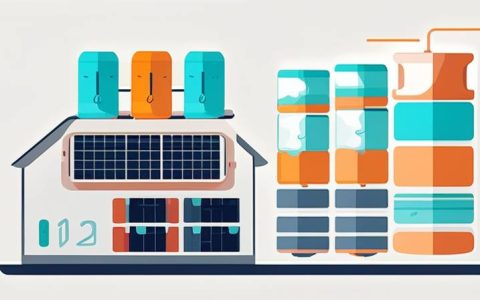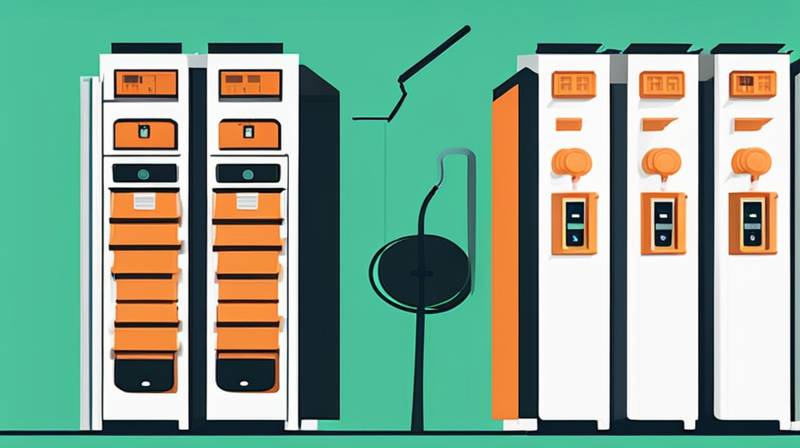
1. The most favored residential energy storage brands in South Africa are: 1) Tesla Powerwall, 2) Pylontech, 3) LG Chem, 4) BYD. Each brand offers unique features that cater to various consumer needs and preferences. Tesla Powerwall, in particular, stands out due to its advanced technology, reliability, and extensive energy management capabilities. This energy storage solution has garnered considerable attention, with its capacity to integrate seamlessly with solar energy systems, providing significant long-term savings and sustainability options for homeowners looking to enhance their energy independence.
1. OVERVIEW OF ENERGY STORAGE IN SOUTH AFRICA
The landscape of energy storage within South Africa has evolved substantially in recent years, powered by the urgency for sustainable energy solutions amid the nation’s ongoing power challenges. With extensive reliance on coal and the pressing need to transition towards renewable energy sources, there has been a growing recognition of the significance of energy storage systems. These systems not only provide an avenue for harnessing renewable energy but also play a crucial role in balancing energy supply and demand.
As the popularity of renewable energy sources rises, particularly solar photovoltaic systems, residential energy storage technologies have become increasingly attractive to South African homeowners. By storing surplus energy generated during peak sunlight hours for use during high-demand periods or nights, these systems enhance energy efficiency and reduce overall electricity costs. This has prompted many leading brands to enter the market, each offering innovative and diverse solutions to meet growing consumer demands.
2. TESLA POWERWALL
2.1 Introduction to Tesla Powerwall
One of the most recognized names in the energy storage market globally, Tesla Powerwall has successfully made its way into South African households. The Powerwall is a rechargeable lithium-ion battery, strategically designed for residential use, enabling the storage of solar energy for later consumption. This system integrates seamlessly with solar panels, allowing homeowners to maximize their investment and minimize reliance on the grid.
Tesla Powerwall is distinguished by its smart features, including energy management software that optimally distributes stored energy during critical periods. Homeowners can monitor their energy usage and control their Powerwall through a user-friendly mobile application, making this a preferred choice for technology enthusiasts.
2.2 Performance and Cost-Effectiveness
Performance is a significant factor in the popularity of Tesla Powerwall. With a usable capacity of 13.5 kWh and the capability to provide power during outages, it stands out as a reliable option for residential users. Furthermore, the Powerwall features an inverter included within the unit, simplifying the installation process and reducing additional costs typically associated with separate inverters.
When evaluating cost-effectiveness, it is essential to consider both upfront investment and long-term savings. While the initial expenditure for a Tesla Powerwall may be relatively high compared to competitors, users often recoup their investment through substantial reductions in electricity bills and backup power solutions during outages. The dual benefit of savings and enhanced energy independence has contributed to the growing popularity of the Powerwall in South Africa.
3. PYLONTECH
3.1 Overview of Pylontech
Shifting gears from premium offerings, Pylontech has established itself as a reputable player within the more budget-conscious segments of the residential energy storage market. Originating in China, this company specializes in lithium-ion energy storage solutions and has quickly gained a foothold in South Africa. Their products are known for high efficiency, long service life, and robust design.
Pylontech offers modular battery systems that allow homeowners to customize their energy storage based on specific power needs. This flexibility positions Pylontech as a solution for diverse residential setups, making energy storage accessible to various user demographics.
3.2 Battery Technology and Applications
The battery technology employed by Pylontech features the latest advancements in lithium iron phosphate (LiFePO4) batteries. This technology boasts exceptional thermal stability and safety, making them ideal for residential use. Furthermore, Pylontech batteries are designed with a long cycle life, which translates into years of reliable service.
The applications of Pylontech systems are diverse, supporting installations for both solar energy systems and small wind turbines. This versatility allows homeowners to invest in variable sources of renewable energy, aligning with sustainability objectives and reducing reliance on traditional energy sources.
4. LG CHEM
4.1 Introduction to LG Chem
As a leading global player in the chemical industry, LG Chem has made significant strides in the energy storage market. They offer high-quality batteries for energy storage applications, featuring advanced technology that meets the unique requirements of residential customers in South Africa. LG Chem’s RESU (Residential Energy Storage Unit) series is particularly popular among consumers.
The RESU series integrates smoothly with existing solar systems, providing homeowners with a powerful solution to optimize their energy usage while capitalizing on renewable energy. Its compact design allows for easy installation in homes with limited space.
4.2 Efficiency and User Experience
Efficiency is a crucial attribute when considering energy storage solutions, and LG Chem RESU units excel in this area. The batteries provide a significant amount of usable capacity while ensuring optimal energy conversion rates. This efficiency enhances the performance of solar energy systems and contributes to significant electricity savings for homeowners.
User experience is of paramount importance for LG Chem, as they focus on simplifying both installation and daily operations. Their systems frequently come equipped with informative user interfaces that allow homeowners to track their energy production and consumption effectively. This attention to user-centric design helps LG Chem maintain its strong position within the residential battery storage market in South Africa.
5. BYD
5.1 Overview of BYD
Another giant in the energy storage sector, BYD has increasingly become preferred among South African homeowners looking for versatile energy solutions. As a renowned Chinese manufacturer of electric vehicles and energy storage systems, BYD offers robust battery products suitable for a range of residential applications.
Their battery systems are distinguished by their high capacity and modularity, enabling users to scale up their storage requirements as necessary. This flexibility positions BYD as a suitable choice among consumers seeking long-term energy solutions.
5.2 Technological Innovation and Scalability
Technological innovation is at the heart of BYD’s products, with their battery technology featuring lithium iron phosphate (LiFePO4) which enhances battery safety without compromising performance. This technological edge ensures the durability and longevity of BYD’s energy storage solutions.
When discussing scalability, BYD leads the industry by enabling users to easily expand their energy storage capacity based on evolving energy needs. This modular approach allows homeowners to begin with a smaller system and incorporate additional units as their energy consumption patterns change, thereby aligning their energy use with budget considerations.
6. COMPARATIVE ANALYSIS OF ENERGY STORAGE BRANDS
6.1 Brand Features and Performance
When assessing the features and performance of energy storage solutions, evaluating how systems respond to varying energy demands is crucial. Tesla Powerwall is known for its cutting-edge technology and comprehensive energy management features, while Pylontech’s modular approach resonates with those looking for flexibility. LG Chem offers a balance of efficiency and cost-effectiveness, while BYD is highlighted for its technological innovations and scalability.
Different brands also excel in various aspects such as warranty options, service support, and compatibility with renewable energy systems. Each brand’s strengths cater to distinct user preferences, allowing consumers to choose products that align with their specific energy needs and goals.
6.2 Market Trends and Consumer Preferences
The market trends for energy storage in South Africa indicate a growing interest in renewable energy solutions, driving demand for residential energy storage systems. As electricity prices continue to rise and the governmental push for sustainability strengthens, more homeowners are investing in energy storage technologies to enhance their energy independence.
Simultaneously, consumer preferences have evolved, indicating a shift towards products that combine efficiency with intuitive user experiences. Households are increasingly drawn to brands that offer smart energy management capabilities, ensuring they can get the most out of their energy investments.
7. POTENTIAL CHALLENGES IN THE ENERGY STORAGE MARKET
7.1 Regulatory and Economic Factors
While the energy storage market in South Africa holds tremendous potential, several regulatory and economic challenges must be addressed. Regulatory inconsistencies, particularly regarding incentives for renewable energy investments, continue to impact consumer decisions. The lack of comprehensive policies can hinder the growth of this sector, reducing consumer confidence in investing in energy storage solutions.
Economic factors, such as fluctuating currency valuations and the overall economic climate, can also deter consumers from making significant investments in energy storage technologies. A stable policy framework would bolster consumer confidence and stimulate growth in this promising market.
7.2 Technical Barriers and Consumer Awareness
Technical barriers also pose challenges, especially regarding the understanding and integration of energy storage systems with existing solar technologies. Homeowners may face difficulties assessing which systems align best with their energy needs, potentially discouraging them from making informed purchases.
Furthermore, a notable gap in consumer awareness exists surrounding the benefits and functionalities of residential energy storage solutions. Increased educational initiatives and information dissemination could help bridge this gap, empowering consumers to make well-informed decisions concerning energy storage investments.
8. FAQs
WHAT IS RESIDENTIAL ENERGY STORAGE?
Residential energy storage refers to the technology that allows homeowners to store energy, typically generated from renewable sources like solar power, for later use. These systems consist of batteries or other storage mediums that capture surplus energy during times of high generation and release it during periods of low generation or peak demand. This enables homeowners to decrease their reliance on the grid, reduce electricity bills, and enhance energy independence. There are various types of technologies available, with lithium-ion batteries being the most prevalent due to their efficiency and performance. Investing in residential energy storage can also provide a safety net during outages, offering backup power and enhancing overall energy security.
HOW DOES SOLAR ENERGY INTEGRATE WITH STORAGE SYSTEMS?
Solar energy systems typically harness sunlight through photovoltaic panels, converting it into electrical energy. A residential energy storage system, such as a battery, then captures excess energy produced when sunlight is abundant, especially during the day. This stored energy can be utilized during night hours or on cloudy days when solar production is lower. The integration process involves careful planning and the use of inverters, which convert the direct current (DC) produced by solar panels into alternating current (AC) used by household appliances. An efficient integration enhances the reliability of energy supply while maximizing the profitability of solar investments, allowing homeowners to tailor their energy usage according to their needs.
WHAT ARE THE BENEFITS OF ENERGY STORAGE SYSTEMS?
Investing in energy storage systems offers numerous benefits to residential homeowners. One of the most notable advantages is energy independence, which allows households to rely less on the grid and significant savings on electricity bills. By utilizing stored energy during peak demand periods, users can avoid high costs associated with utility rates. Additionally, these systems offer reliability in the form of backup power during outages, ensuring that essential appliances can continue to function even when the grid fails. Another benefit is the potential to reduce carbon footprints by optimizing the use of renewable energy sources, further contributing to environmental sustainability efforts. Lastly, many modern storage systems come equipped with smart technology, enabling homeowners to monitor and manage their energy usage efficiently.
9. RESIDENTIAL ENERGY STORAGE: FUTURE PROSPECTS
The future of residential energy storage in South Africa looks promising as technological advancements, and policy shifts encourage the adoption of sustainable energy solutions. Innovations in battery technology, particularly those enhancing safety, efficiency, and longevity, will undoubtedly shape consumer choices moving forward. Furthermore, as the price of renewable energy systems continues to decline, the attractiveness of energy storage solutions will rise concurrently, making them increasingly accessible to average homeowners.
Government incentives and programs aimed at supporting the integration of renewable energy technologies will also play a crucial role in propelling the energy storage market forward. By creating a favorable environment for investment, stakeholders can stimulate growth prospects, fostering a culture of sustainability across residential sectors.
Ultimately, the robust energy storage landscape in South Africa presents numerous opportunities for consumers willing to embrace smart and sustainable solutions. By choosing the right systems, users can enhance their energy independence, achieve significant savings, and contribute positively towards environmental sustainability efforts. The promising trajectory for residential energy storage suggests that such investments will become mainstream, transforming how South African households harness and utilize energy effectively.
Original article by NenPower, If reposted, please credit the source: https://nenpower.com/blog/what-are-the-most-popular-residential-energy-storage-brands-in-south-africa/