

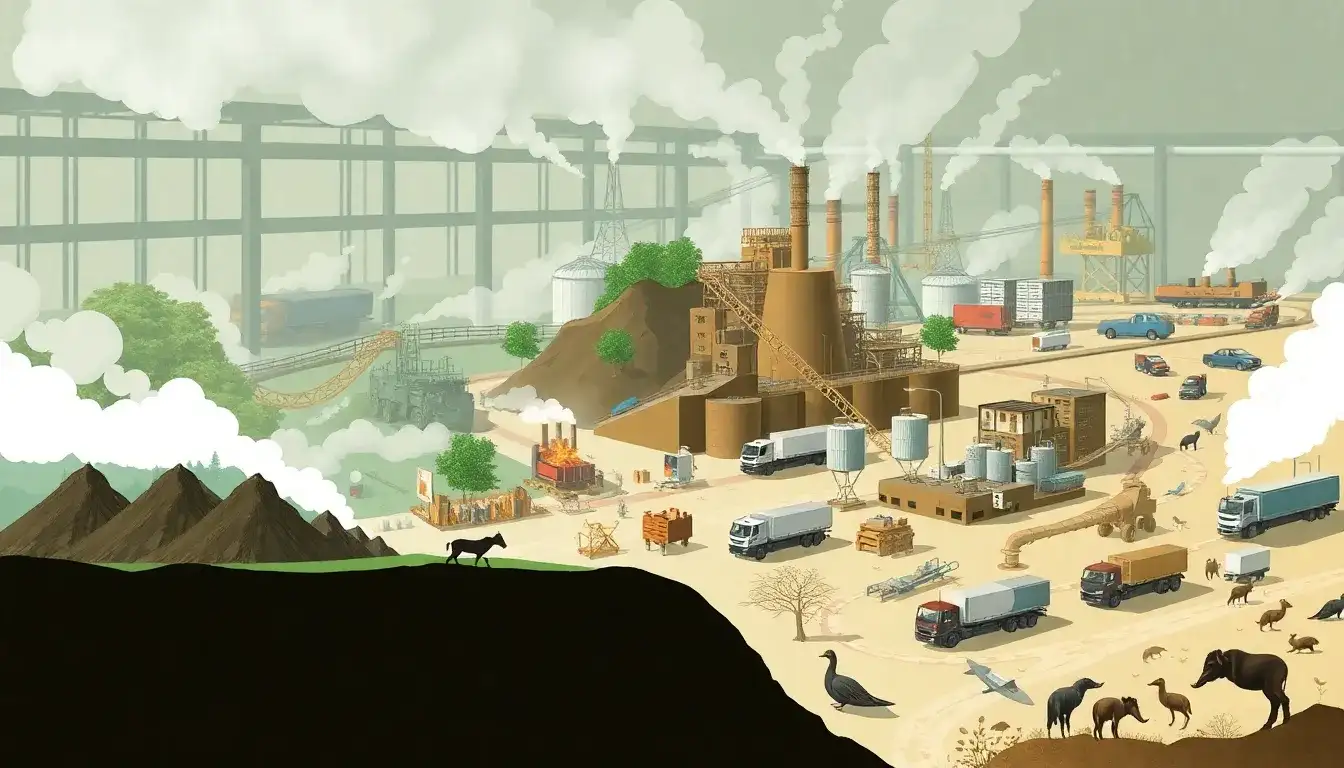
The environmentally harmful steps in the electric vehicle (EV) manufacturing process primarily revolve around material extraction, energy consumption during production, and waste disposal. Here are some key concerns:
Material Extraction and Processing
- Lithium-ion Batteries: The production of these batteries requires the extraction of lithium, cobalt, and nickel. Mining these materials can lead to habitat destruction, water pollution, and social challenges in mining communities.
- Rare Earth Metals: EVs use neodymium and dysprosium in their motors and magnets. The extraction process for these metals is energy-intensive and can cause soil and water pollution.
Energy Consumption During Production
- Manufacturing Process: The production of EVs consumes significant amounts of energy, which often comes from non-renewable sources, leading to substantial greenhouse gas emissions. For instance, the carbon emissions from manufacturing an EV can be comparable to those from driving a gasoline-powered car for thousands of miles.
Waste Disposal
- Battery Disposal: The disposal of lithium-ion batteries poses environmental risks due to the toxic materials they contain. Proper recycling processes are crucial to mitigate these risks.
Overall, while EVs offer environmental benefits in operation, their production and resource extraction processes have significant environmental impacts.
Original article by NenPower, If reposted, please credit the source: https://nenpower.com/blog/what-are-the-most-environmentally-harmful-steps-in-the-ev-manufacturing-process/

