

The most environmentally friendly materials used in solar panel production often focus on minimizing the ecological impact while maintaining efficiency. Here are some of the most promising materials and technologies:
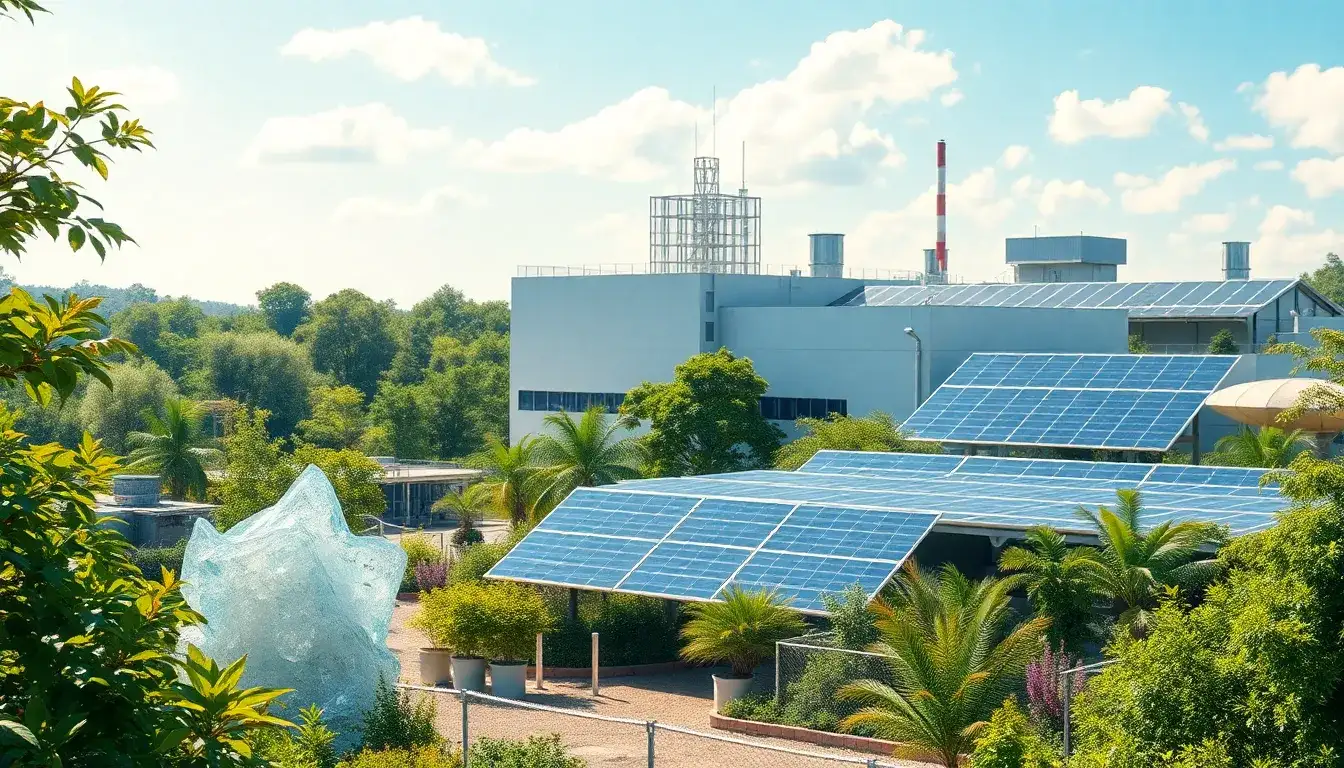
- Silicon Used with Renewable Energy: While silicon is the most widely used material in solar panels, its production process is energy-intensive. However, if the manufacturing plants use renewable energy sources, such as solar power themselves, it significantly reduces the carbon footprint of silicon production.
- Kesterite Materials: These materials absorb light strongly and require less material compared to traditional silicon-based solar cells. This reduces the overall cost and material consumption, making them more sustainable.
- Organic and Biodegradable Components: Researchers are exploring the use of organic materials and biodegradable components to minimize environmental impact. This approach aims to create solar panels that are not only more efficient but also easier to recycle or decompose.
- Perovskite Solar Cells: Known for their high efficiency rates, perovskite solar cells are a promising innovation in eco-friendly solar technology. They enhance energy generation and can operate in less-than-ideal conditions, reducing the need for raw materials over time.
- Copper Indium Gallium Selenides (CIGS): Although CIGS panels contain cadmium, they are effective at energy generation. Innovations in safer handling and end-of-life recycling can make these panels more environmentally friendly.
- Bifacial Panels: These capture sunlight from both sides, increasing efficiency and reducing the number of panels needed to achieve the same energy output. This technology optimizes energy efficiency and lowers material requirements.
Original article by NenPower, If reposted, please credit the source: https://nenpower.com/blog/what-are-the-most-environmentally-friendly-materials-used-in-solar-panel-production/

