

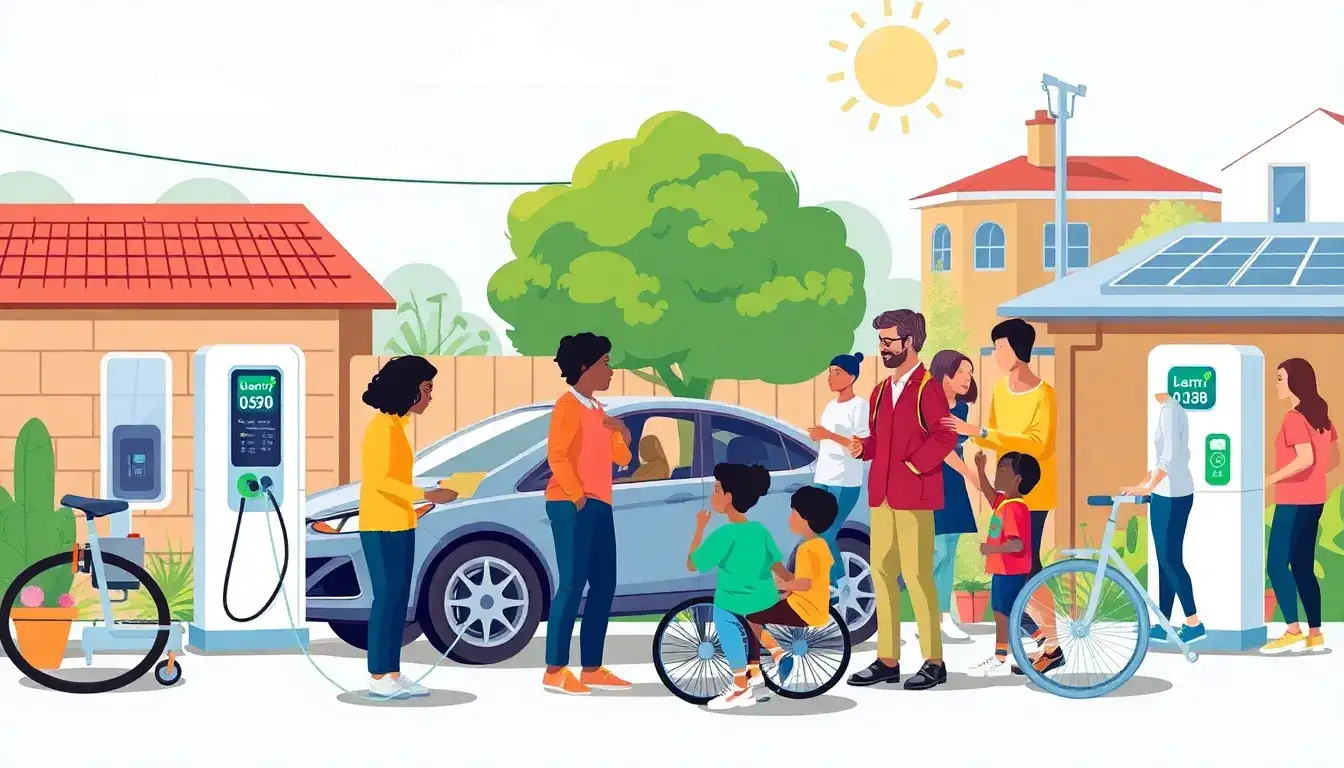
Reducing the cost of EV ownership for disadvantaged communities requires a combination of financial incentives, strategic planning, and community engagement. Here are some effective strategies to achieve this goal:
Effective Strategies for Reducing EV Ownership Costs
1. Research and Leverage Incentives
- Government Incentives: Utilize federal, state, and local incentives such as tax credits, grants, and subsidies for EV purchases and charging infrastructure. These can significantly lower the upfront costs.
- Utility Company Incentives: Many utility companies offer special rates or rebates for EV charging infrastructure and electricity used for EVs.
2. Financial Models
- Leasing Options: Consider operating leases, which can provide lower upfront costs compared to purchasing outright. Leases may also allow leveraging the remaining vehicle value at the end of the term.
- Shared Ownership Models: Explore shared ownership or vehicle-sharing programs that can spread costs across multiple users.
3. Smart Charging Strategies
- Off-Peak Charging: Implement smart charging systems to take advantage of lower electricity rates during off-peak hours.
- Renewable Energy Integration: Invest in solar panels or wind turbines to generate energy for charging EVs, reducing reliance on grid electricity.
4. Community Engagement and Education
- Workshops and Training: Offer workshops on EV benefits, cost savings, and how to access incentives. This helps build awareness and trust in EV technology among community members.
- Partnerships: Collaborate with local organizations to promote EV adoption and share the cost of charging infrastructure.
5. Public Charging Infrastructure
- Access to Public Charging: Advocate for increased public charging points in disadvantaged areas to reduce reliance on home charging, making EVs more accessible.
- Charging Station Placement: Strategically place charging stations near community centers, public transportation hubs, or other high-use areas to maximize accessibility.
6. Used or Older EVs
- Affordable Options: Promote the purchase of used or older EV models, which can be more affordable for disadvantaged communities.
By implementing these strategies, disadvantaged communities can better access EVs and enjoy the long-term benefits of reduced energy costs and environmental impact.
Original article by NenPower, If reposted, please credit the source: https://nenpower.com/blog/what-are-the-most-effective-strategies-for-reducing-the-cost-of-ev-ownership-for-disadvantaged-communities/

