

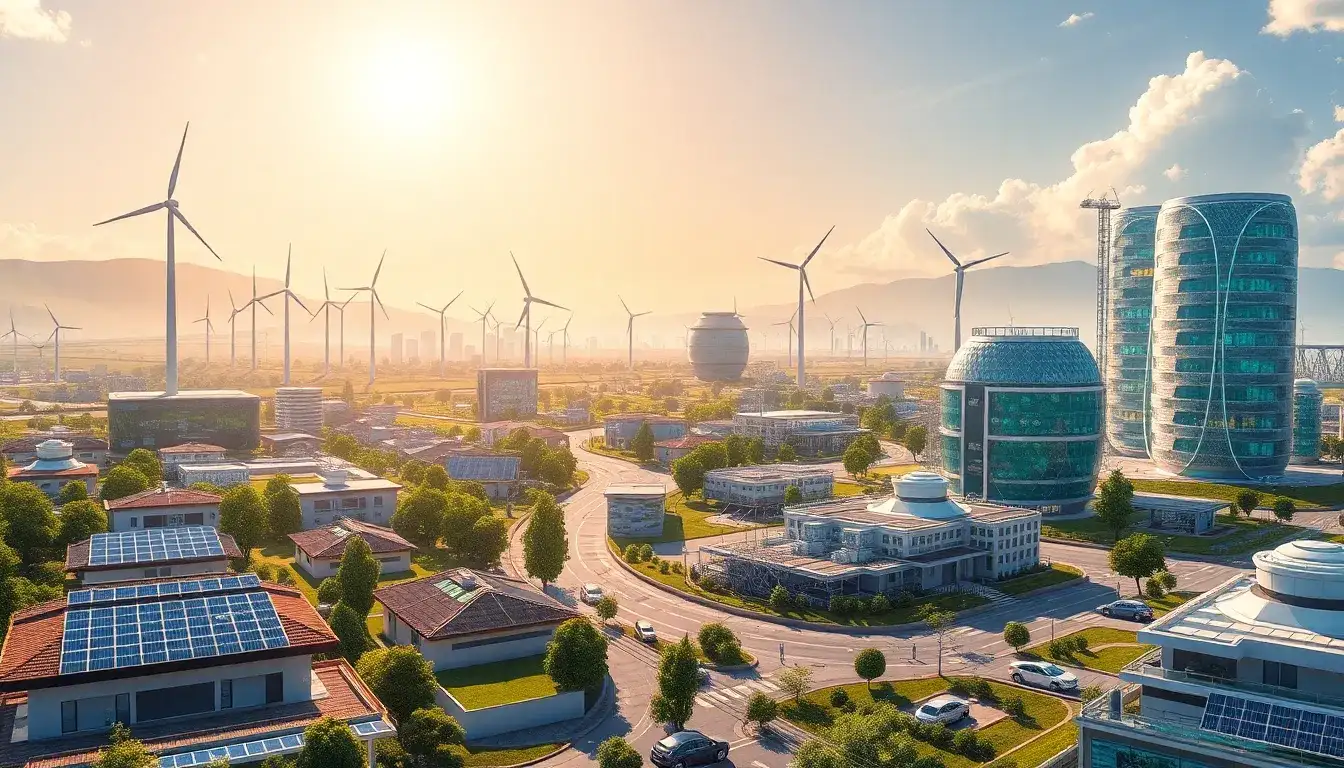
Maintaining grid stability with renewable energy sources requires a combination of innovative technologies and strategic planning. Here are some of the most effective solutions:
1. Energy Storage Solutions
- Battery Systems: Advanced battery energy storage systems (BESS) can store excess energy generated by renewables for later use, helping to balance supply and demand during periods of low renewable output.
- Pumped Hydro Storage: One of the oldest forms of energy storage, it is still effective for large-scale applications, though its deployment is limited by geography.
2. Smart Grid Technologies
- Phasor Measurement Units (PMUs): Continuously monitor grid stability and can detect anomalies in real-time.
- Automated Feeder Switches: Allow for rerouting electrical transmission around damaged lines or substations, ensuring continuous supply.
- Internet of Things (IoT): Integrates small sensors that assess demand minute by minute, adjusting supply accordingly to prevent overload.
3. Distributed Energy Resources (DERs)
- Localized Energy Production: Reduces long-distance transmission, lowering energy loss and demand spikes. DERs can provide backup power during outages.
4. Grid-Enhancing Technologies (GETs)
- Advanced Inverters and Virtual Synchronous Machines: These technologies help stabilize the grid by emulating inertia traditionally provided by fossil fuel-based power plants.
5. Synchronous Condensers
- Inertia Provision: Use existing or retired generators to provide stabilizing inertia, mitigating frequency fluctuations caused by variable renewables.
- Reactive Power and Short-Circuit Capability: Essential for maintaining stable voltage and frequency levels in the grid.
6. Flexibility Services
- Real-Time Balancing: Offers flexibility in supply and demand by incentivizing temporary changes in consumption or generation patterns.
- Congestion Services and Inertia Procurement: Helps ensure that the grid remains stable during high demand or supply fluctuations.
7. Grid Infrastructure Upgrades
- Updated Planning and Investment: Necessary to accommodate the integration of new renewable sources into aging infrastructure.
By implementing these solutions, grid operators can better manage the variability of renewable energy sources, ensuring a reliable and efficient electricity supply.
Original article by NenPower, If reposted, please credit the source: https://nenpower.com/blog/what-are-the-most-effective-solutions-to-manage-grid-stability-with-renewable-energy/

