

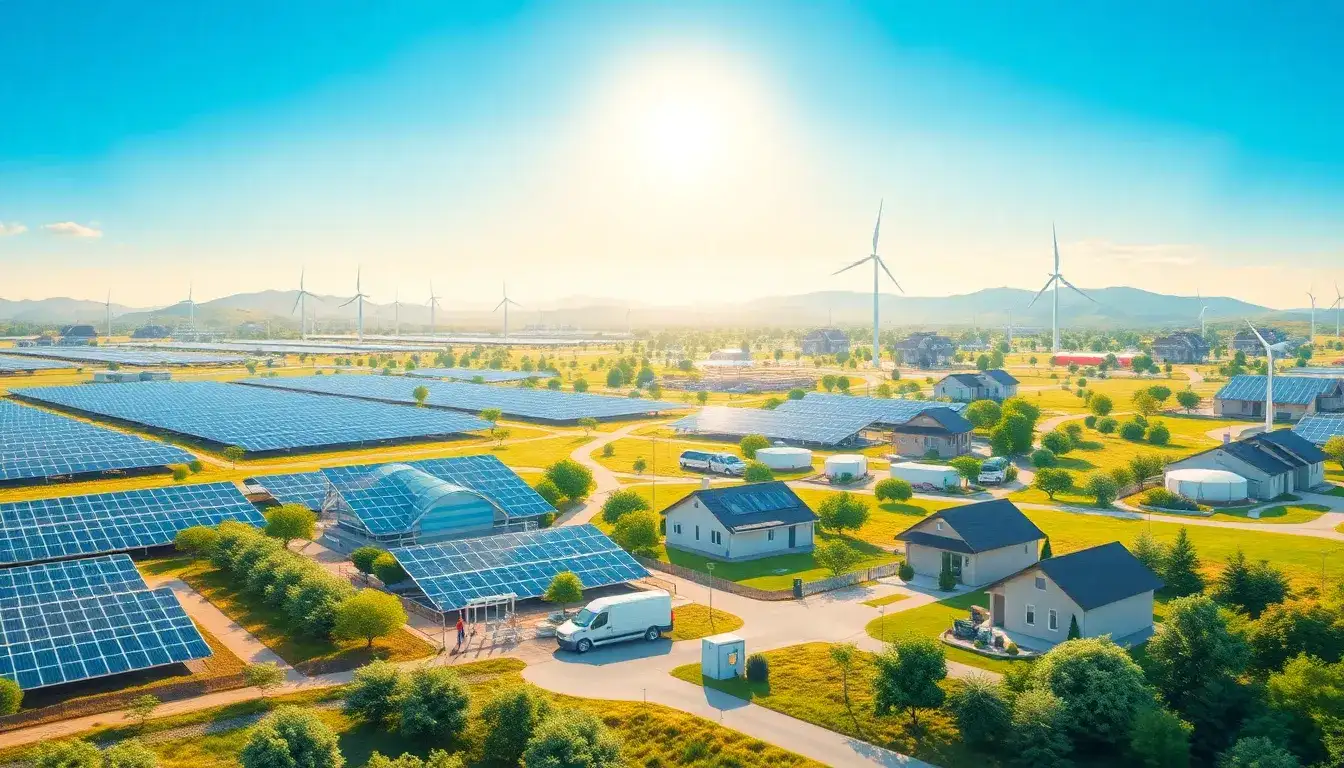
Managing the intermittency of renewable energy sources like solar and wind requires a combination of technological, operational, and strategic solutions. Here are some of the most effective strategies for managing intermittency:
Most Effective Solutions for Intermittency Management
1. Energy Storage Systems
- Batteries: Large-scale grid batteries can store excess energy during periods of high generation and release it during low generation periods. Technologies like lithium-ion, vanadium redox-flow, and recycled electric vehicle batteries are being deployed.
- Pumped Hydro Storage and Green Hydrogen: For longer-term storage, technologies like pumped hydro and green hydrogen provide solutions that can manage energy over days and weeks.
2. Grid Modernization and Flexibility
- Smart Grids: Utilize digital technologies and advanced forecasting to better predict renewable output and dynamically adjust grid resources to meet demand.
- Grid Flexibility Metrics: Enhance transmission infrastructure and use dynamic line ratings to increase grid adaptability.
3. Demand-Side Management
- Time-Shifting Demand: Programs that incentivize consumers to shift non-critical consumption to periods of high renewable generation can help balance supply and demand.
- Demand Response Programs: Adjust consumption patterns in real-time to match available renewable energy.
4. Flexible Generation Assets
- Hybrid Renewable Energy Systems: Combine solar and wind with energy storage to reduce reliance on single-source renewables.
- Small Gas Engines: Provide backup power during low renewable generation periods to maintain grid stability.
5. Forecasting and Monitoring
- Advanced Weather Forecasting: Use AI and machine learning to improve predictions of renewable energy output, enabling more effective operational planning.
Implementation Strategy
- Assess Intermittency Profiles: Collect historical data on renewable generation and demand patterns to identify gaps and surpluses.
- Evaluate Existing Strategies: Assess current technologies and programs for their effectiveness.
- Develop Integrated Solutions: Combine the above strategies in a cost-benefit analysis framework to propose the most effective solutions for a given region.
By integrating these solutions, energy systems can better manage the variability of renewable energy sources, ensuring a more stable, efficient, and sustainable power supply.
Original article by NenPower, If reposted, please credit the source: https://nenpower.com/blog/what-are-the-most-effective-solutions-for-managing-intermittency-in-renewable-energy/

