

Effective Energy Storage Solutions
Portable Battery Energy Storage Systems
- Portable lithium iron phosphate (LiFePO4) battery units are ideal for emergency situations requiring evacuation, powering essential devices like lights, phones, medical equipment, and refrigerators. Their portability and ease of deployment make them highly valuable in disasters.
- POWRBANK battery systems are an example of portable units that can seamlessly switch between stored energy and diesel or renewable generators, ensuring continuous power supply in off-grid or disrupted grid areas.
Rack-Mounted and Community-Scale Battery Systems
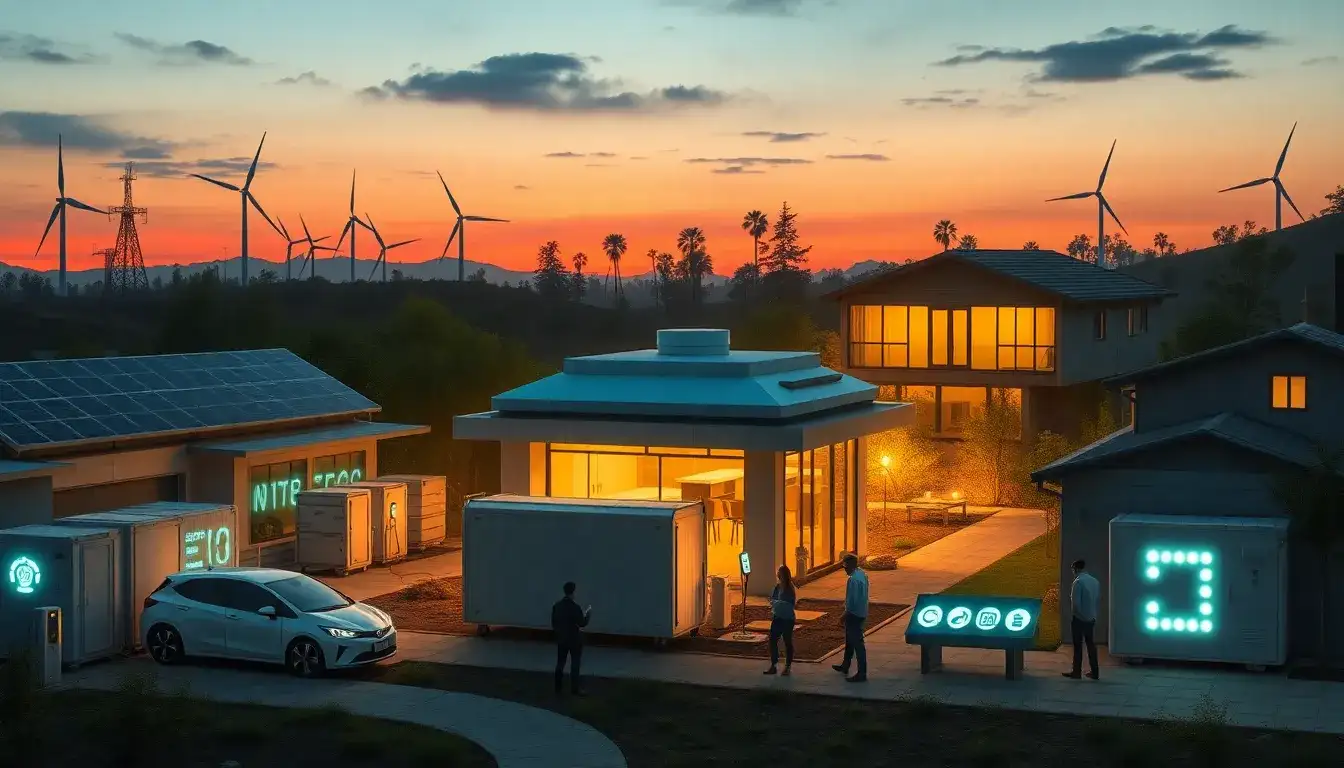
- Larger rack-mounted battery systems enhance community resilience by providing stable, reliable power to critical infrastructure such as healthcare, communications, and public safety.
- These systems support integration with renewable energy sources and facilitate the rise of microgrids, which can maintain power for entire neighborhoods during grid failures.
Advanced Battery Technologies
- Sodium-nickel chloride (Na-NiCl) batteries with long cycle lives (~4,500 deep discharge cycles) and multi-layered safety features offer durable, safe, and effective energy storage for disaster response, potentially reducing operational costs while enhancing grid and facility resilience.
- Lithium iron phosphate (LiFePO4) technologies are recognized for their safety, longevity, and stable performance under stress conditions.
Important Considerations for Disaster Preparedness Energy Storage
- Capacity and Duration: Systems must have sufficient energy capacity to meet power requirements over extended outage periods.
- Compatibility: Storage solutions must integrate smoothly with existing infrastructure, including power grids, renewable sources, and backup generators for seamless operation.
- Maintenance: Low maintenance and easy servicing are critical during stressful disaster scenarios to ensure system reliability.
- Fast Response: Instant backup power capability is vital for critical applications in disaster situations.
- Cost vs. Performance: Balancing upfront costs, operational expenses, and long-term reliability is essential for sustainable preparedness.
- Regulatory Compliance: Adherence to local regulations and building codes facilitates implementation and reduces operational risks.
Emerging Trends Enhancing Disaster Preparedness
- Increased adoption of compact, high-capacity batteries improving efficiency and deployment flexibility.
- Use of artificial intelligence to optimize energy management, ensuring maximum efficiency and reliability during emergencies.
- Development of community microgrids combining multiple energy storage units to power entire neighborhoods and critical infrastructure for greater resilience.
Summary
The best energy storage solutions for disaster preparedness combine advanced lithium or sodium-based battery technologies, portability or community-scale deployment options, and seamless integration capabilities. They provide reliable, instant, and sustainable power to ensure essential services remain operational during and after disasters. The trend towards intelligent energy management and microgrid adoption further enhances resilience and recovery outcomes.
These solutions have proven effective in real-world scenarios such as power restoration after Hurricane Maria in Puerto Rico and during California wildfires, demonstrating their critical role in disaster response and community preparedness.
Original article by NenPower, If reposted, please credit the source: https://nenpower.com/blog/what-are-the-most-effective-energy-storage-solutions-for-disaster-preparedness/

