

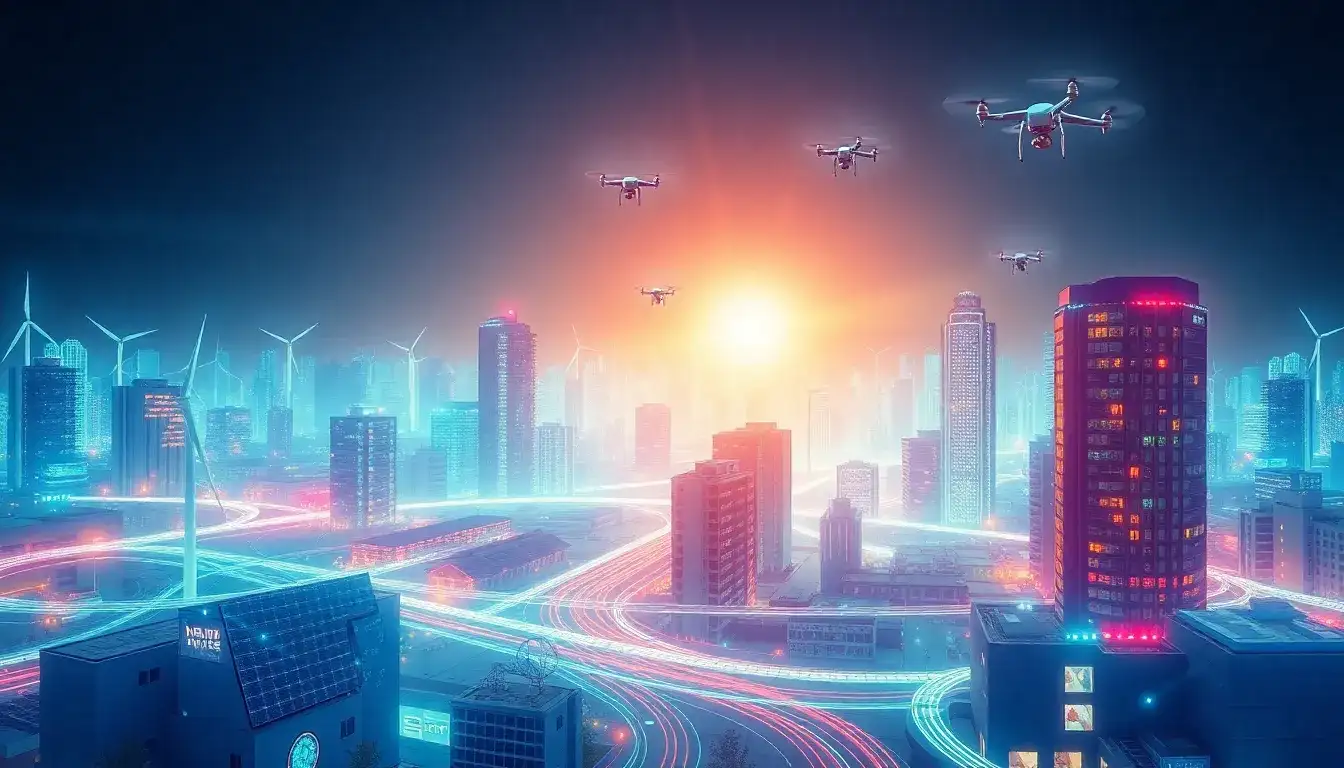
Key AI Strategies for Optimizing Energy Distribution
1. Real-Time Grid Management
AI employs machine learning algorithms to continuously monitor energy consumption and supply levels, enabling real-time balancing of energy distribution. This helps predict fluctuations in demand and adjust supply accordingly, minimizing energy loss and preventing overloads or outages. Such smart grids enhance stability and reliability of the energy system by rapidly responding to failures or demand spikes.
2. Predictive Demand Forecasting
AI uses predictive analytics to forecast energy demand patterns and renewable energy output by analyzing historical data and weather conditions. This allows energy providers to anticipate demand fluctuations and optimize distribution schedules, reducing waste and improving overall efficiency.
3. Demand Response Optimization
By analyzing consumption data in real time, AI adjusts energy distribution dynamically to match demand profiles. This demand response strategy helps prevent grid overloads and balances the load efficiently, which is particularly important for integrating intermittent renewable energy sources like solar and wind.
4. Energy Storage Optimization
AI enhances management of energy storage systems such as batteries by determining optimal times to store excess energy and release it during peak demand. Algorithms consider weather forecasts and consumption trends to maximize the utility of stored renewable energy, ensuring continuous supply even when production fluctuates.
5. Autonomous Operations and Decentralized Energy Management
AI enables autonomous control of energy systems, allowing decentralized energy generation (e.g., community solar installations) to be integrated seamlessly. Such systems can self-adjust operations without human intervention, improving efficiency and empowering localized energy management.
Summary Table of AI Strategies
| AI Strategy | Description | Benefits |
|---|---|---|
| Real-Time Grid Management | Continuous monitoring and balancing energy load | Reduces losses, prevents outages, enhances stability |
| Predictive Demand Forecasting | Forecasts demand and renewable output using data | Optimizes distribution, reduces waste |
| Demand Response Optimization | Adjusts distribution based on live consumption data | Prevents overloads, balances supply-demand |
| Energy Storage Optimization | Predicts optimal charge/discharge timing | Maximizes storage efficiency, ensures supply reliability |
| Autonomous Operations | Self-regulating decentralized energy systems | Enhances local energy management, reduces human intervention |
AI-driven optimization of energy distribution is critical for integrating renewable energy sources effectively, reducing transmission losses, and enhancing grid resilience. These strategies collectively contribute to smarter, more sustainable energy systems with improved operational efficiency and reliability.
Original article by NenPower, If reposted, please credit the source: https://nenpower.com/blog/what-are-the-most-effective-ai-strategies-for-optimizing-energy-distribution/

