

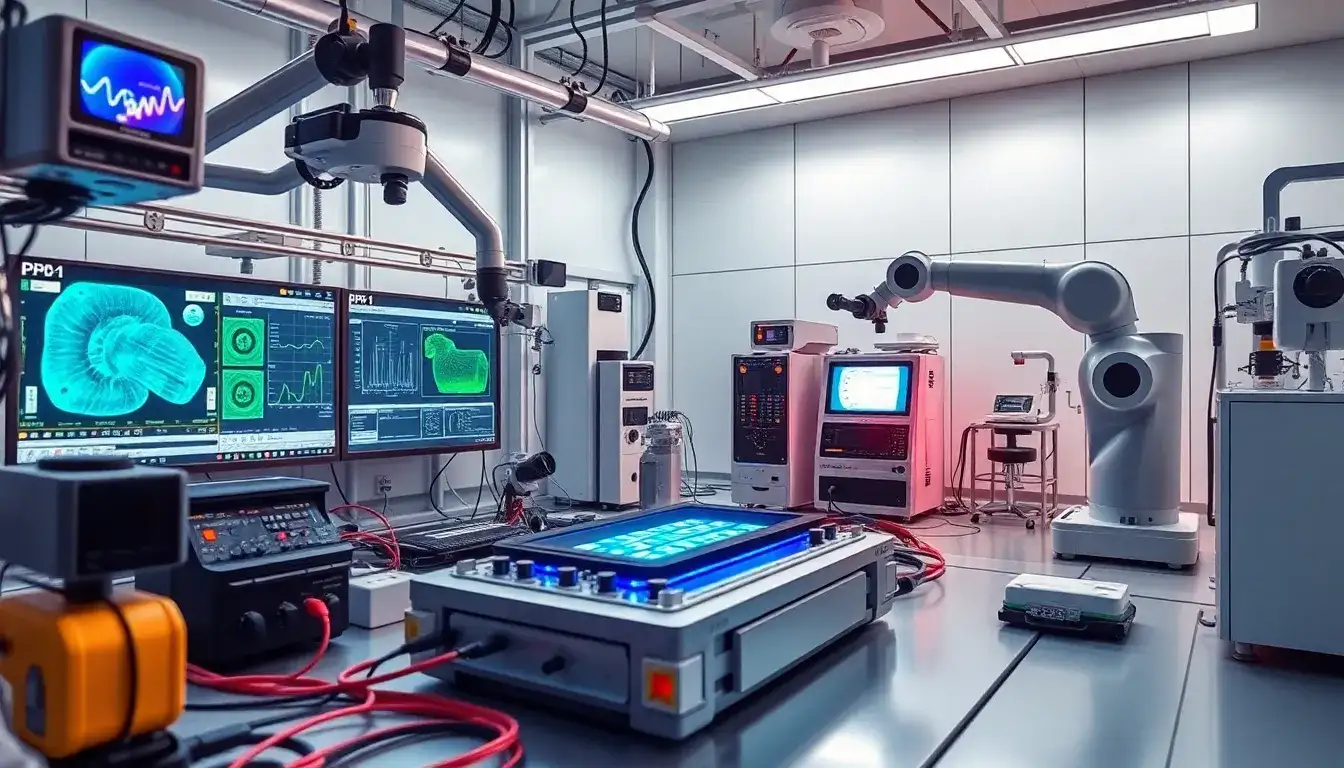
The most critical tools for inspecting battery cells in Plug-in Hybrid Electric Vehicles (PHEVs) focus on ensuring cell integrity, safety, and performance through non-destructive and precise methods. These tools generally include:
- X-ray and Computed Tomography (CT) Inspection Systems: Advanced X-ray and CT scanning technologies, originally developed for healthcare, are now pivotal for inspecting battery cells in PHEVs. They allow fast, accurate, and non-destructive internal inspection of components—such as electrodes, welds, and seals—without disassembling the battery. This helps detect internal defects, structural weaknesses, or manufacturing inconsistencies that might compromise safety or functionality.
- Leak Testing Equipment: Leak detection is critical for ensuring the battery’s airtightness and preventing contamination or electrolyte leakage. Different cell types require specific leak detection approaches:
- Soft pouch cells need leak tests at the electrode interfaces and bag seals.
- Cylindrical (round) cells require leak inspection at crimped connections between housing and electrodes.
- Prismatic cells require weld inspection where electrode contacts meet cover plates.
Leak tests often use vacuum chambers and robotic sniffers with helium or forming gas to identify leaks at very low thresholds. For example, cast housings are pretested using vacuum chamber leak testing with sensitivity to 10-5 mbar·l/s and assembled packs tested down to 10-3 to 10-4 mbar·l/s.
- Electromechanical Testing Tools: While not detailed specifically in the search results, general critical battery testing involves electrical characterization tools that measure cell voltage, internal resistance, and capacity to ensure electrochemical performance and detect early signs of degradation.
In summary, the most critical tools for PHEV battery cell inspection are advanced non-destructive imaging (X-ray and CT scanning) combined with precise leak detection systems tailored to cell types, alongside electrical testing equipment to verify performance metrics and ensure safety standards compliance.
Original article by NenPower, If reposted, please credit the source: https://nenpower.com/blog/what-are-the-most-critical-tools-for-inspecting-battery-cells-in-phevs/

