

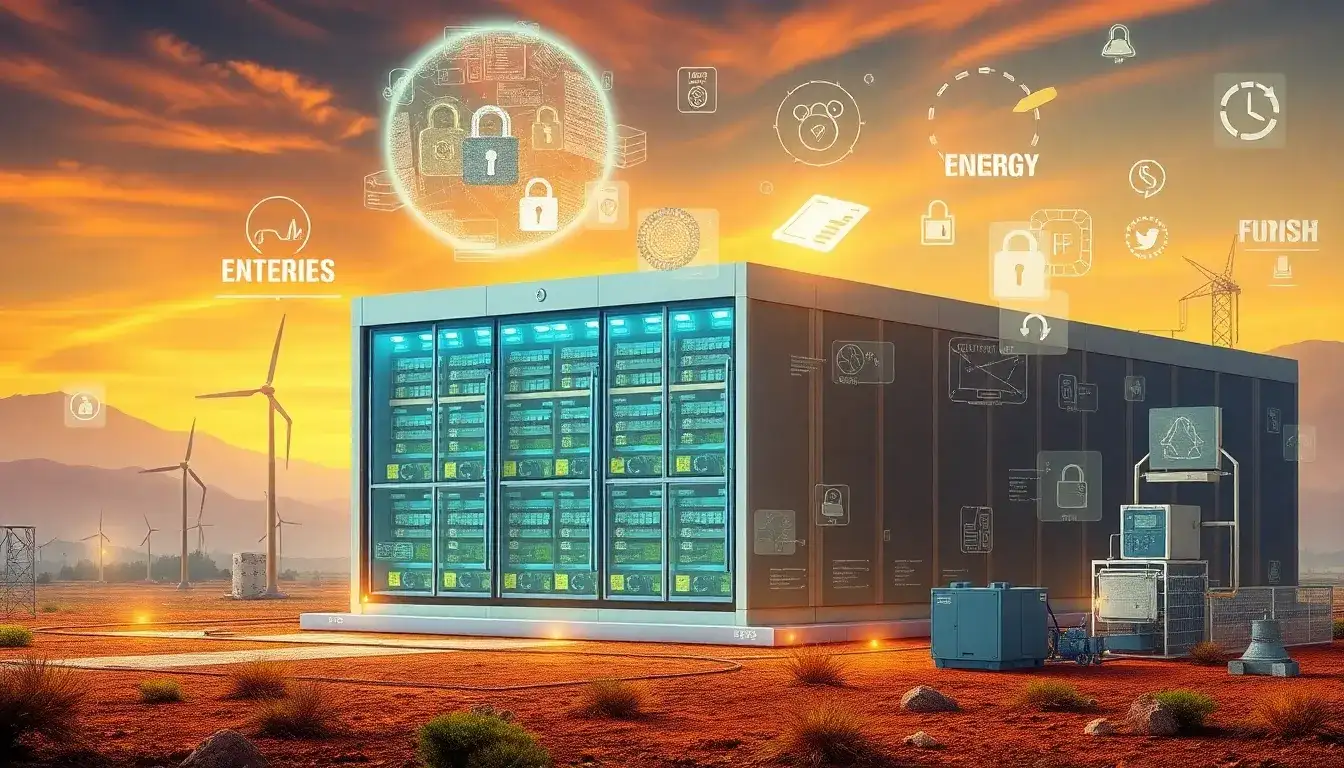
Technology Risks in Energy Storage Projects
1. Fire and Explosion Risks
- Thermal Runaway: Overheating, overcharging, or physical damage can lead to thermal runaway, causing fires or explosions, especially in lithium-ion batteries.
- Chemical Hazards: Release of hazardous chemicals during a fire can pose risks to human health and the environment.
2. Electrical Dangers
- Electrical Shock and Arc Flash: These hazards are present in any electrical system, including energy storage systems.
- Electromagnetic Fields: Potential health impacts from exposure to magnetic fields around storage facilities.
3. Operational and Systemic Risks
- System Faults: Failures in electrical protection systems can lead to high-energy arcs, causing structural damage.
- Power Oscillations: Energy storage systems must mitigate grid power oscillations to prevent system instability.
4. Environmental Risks
- Chemical Contamination: Firefighting efforts can lead to chemical runoff into soil and water, as seen in incidents like the Moss Landing facility fire.
- Air Quality Concerns: Smoke from battery fires can affect local air quality, potentially impacting nearby residents and ecosystems.
5. Regulatory Compliance and Safety Standards
- Evolution of Safety Codes: Energy storage systems must comply with stringent safety standards and regulations, such as NFPA 855, which are regularly updated.
- Liability and Public Perception: Incidents can affect public confidence and lead to legal repercussions, emphasizing the need for robust safety management.
Managing Risks
To mitigate these risks, energy storage projects often employ:
- Advanced safety technologies and monitoring systems.
- Regular maintenance and inspection protocols.
- Training for first responders and facility staff.
- Implementation of safety standards and regulations.
Original article by NenPower, If reposted, please credit the source: https://nenpower.com/blog/what-are-the-most-common-technology-risks-faced-by-energy-storage-projects/

