

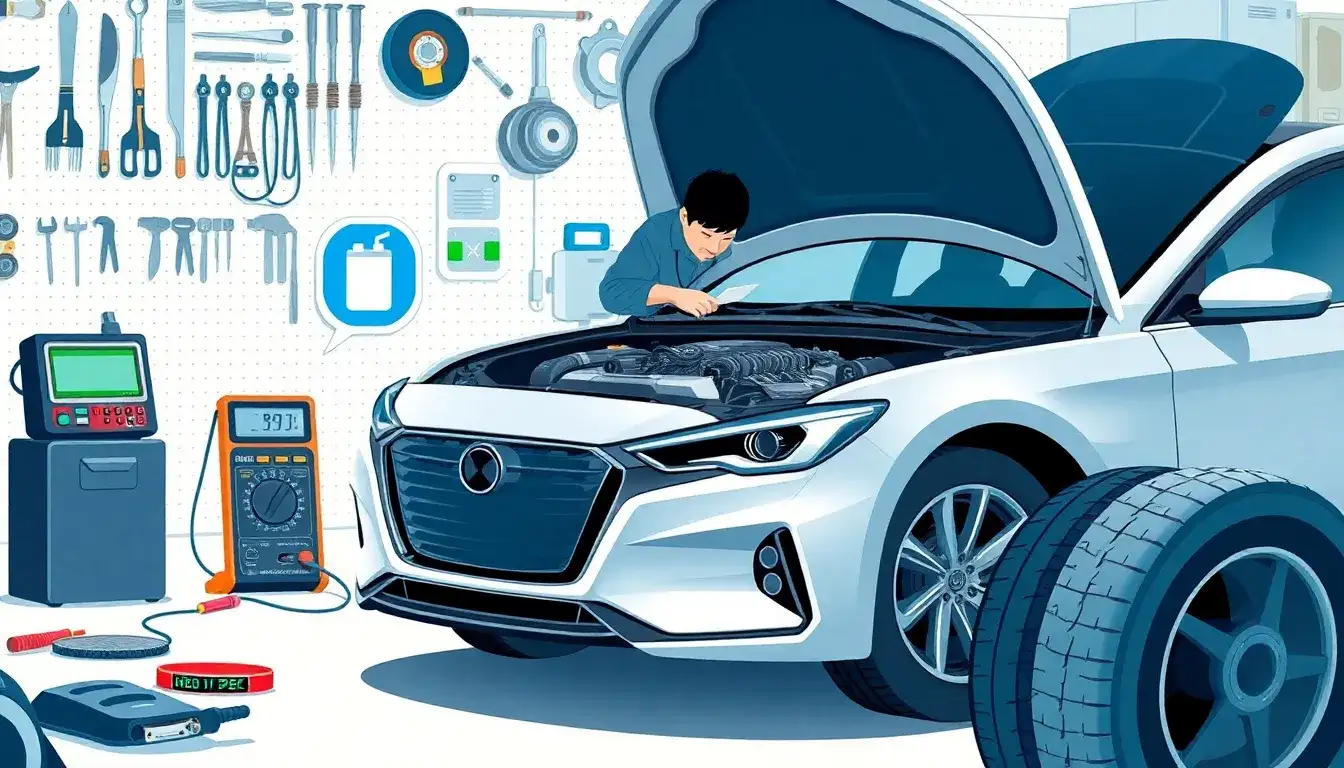
The most common maintenance issues with hybrid vehicles
The most common maintenance issues with hybrid vehicles largely revolve around their unique battery systems and some typical automotive wear components. Here’s a detailed overview of the primary issues:
1. Battery Degradation
A defining feature of hybrid cars is their high-voltage battery pack, which over time tends to degrade. This degradation occurs due to factors like excessive use, heat, and general wear and tear, leading to reduced battery performance, lower fuel efficiency, and diminished electric driving range. Although hybrid batteries can sometimes be repaired, the most cost-effective approach is often to replace them with new or reconditioned units. Regular maintenance and diagnostics are essential to monitor battery health and extend its lifespan.
2. Brake System Wear
Hybrid vehicles use regenerative braking systems that reduce wear on traditional brakes; however, brake components still experience wear and require regular inspection and maintenance. Problems can arise from brake wear or malfunction, and proper upkeep ensures effective braking performance.
3. Complex Electronics and System Faults
Hybrids have sophisticated electronic systems managing the powertrain and battery, which can occasionally generate fault codes or cause dashboard errors. These can range from sensor malfunctions to software glitches. Regular software updates and inspections by qualified technicians help prevent or resolve such issues.
4. Catalytic Converter Theft
Hybrid vehicles are sometimes targeted for catalytic converter theft due to the valuable metals they contain. This is a security rather than a mechanical maintenance issue but requires attention to prevent costly repairs or replacements.
5. Tire and Suspension Wear
Like all vehicles, hybrids need regular tire rotations and suspension inspections, especially as tire wear can affect handling and efficiency. Suspension components may wear over time, leading to poor handling if not maintained properly.
Maintenance Myths and Realities
Despite these issues, hybrid vehicle maintenance largely mirrors that of conventional cars, including routine tasks like oil changes, brake inspections, and tire pressure checks. Hybrid-specific components like the electric motor and battery system typically only require periodic checks rather than specialized, intensive maintenance. Following the manufacturer’s maintenance schedule and choosing qualified technicians are key practices.
Summary of Common Maintenance Issues with Hybrids
- Battery degradation leading to reduced performance and eventual replacement
- Brake system wear and maintenance due to regenerative braking components
- Electronic system faults and the need for software updates
- Risks of catalytic converter theft
- Tire wear and suspension maintenance
Overall, hybrids do not necessarily have higher maintenance requirements than conventional vehicles but do require attention to their unique battery and electronic systems to maintain optimal performance.
Original article by NenPower, If reposted, please credit the source: https://nenpower.com/blog/what-are-the-most-common-maintenance-issues-with-hybrid-vehicles/

