

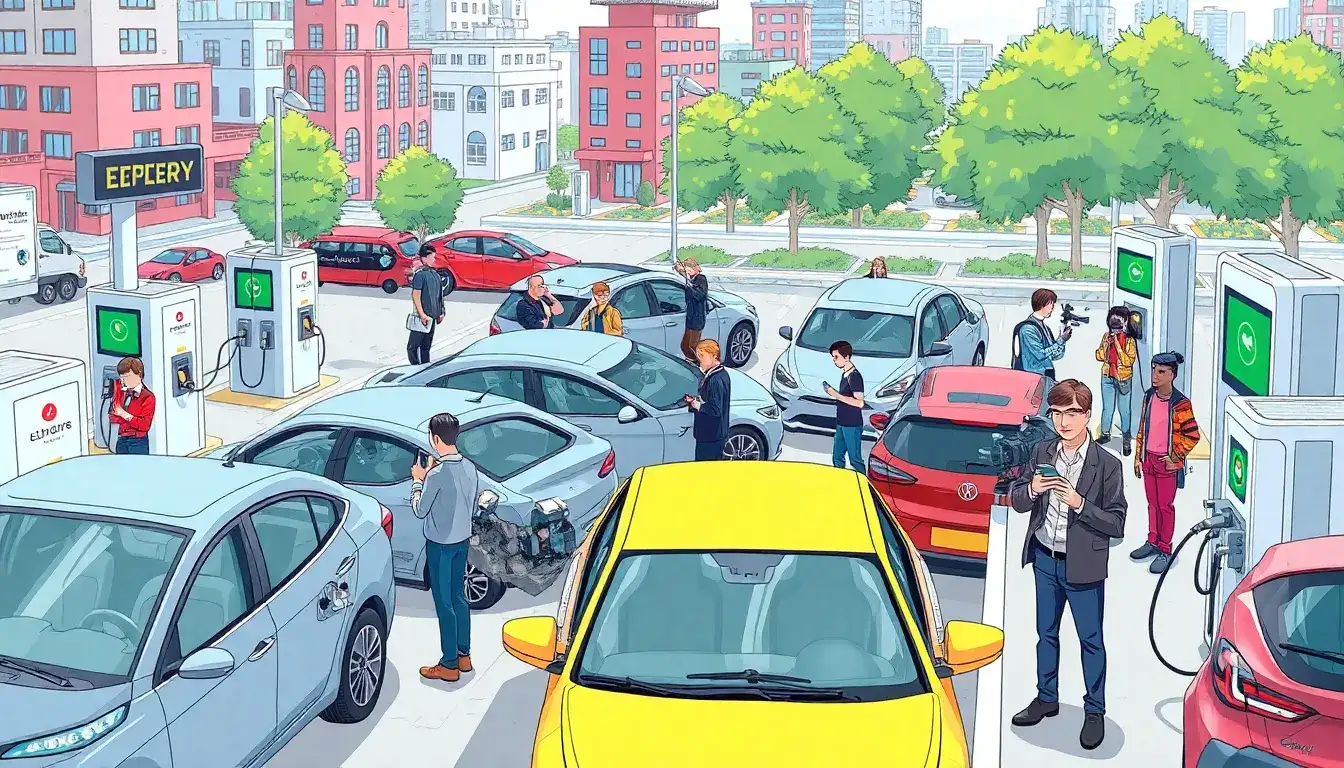
The most common issues plaguing EV charging networks include:
1. Connectivity Failures
55% of charging failures stem from stations being unable to connect to networks for payment authentication or session initiation, often due to unreliable cellular links used for communication. Poor connectivity can interrupt charging even after payment starts.
2. Hardware and Software Malfunctions
- Broken or unresponsive screens (76% of hardware issues)
- Internal station faults, including software freezes or errors during reboots
- Physical damage to cords, connectors, or payment terminals
3. Payment System Glitches
- Failed transactions (25% of payment issues) despite valid payment methods
- “Phantom charging”, where stations accept payment but fail to deliver power (19% of cases)
- App/authentication errors, exacerbated by fragmented payment methods across networks
4. Network Reliability and Maintenance
Chargers average 78% reliability nationally, with 1 in 5 stations nonfunctional at any given time. Maintenance gaps and inconsistent repair protocols contribute to prolonged outages.
5. Network-Specific Challenges
- Worst performers: Shell Recharge (48% failure rate), EVgo (43%), and Blink (41%)
- Best performers: Tesla Superchargers (4% failure rate) and Rivian Adventure Network (5%), which use proprietary plugs and standardized maintenance.
These issues highlight systemic challenges in payment standardization, connectivity infrastructure, and maintenance practices across public charging networks.
Original article by NenPower, If reposted, please credit the source: https://nenpower.com/blog/what-are-the-most-common-issues-with-ev-charging-networks/

