

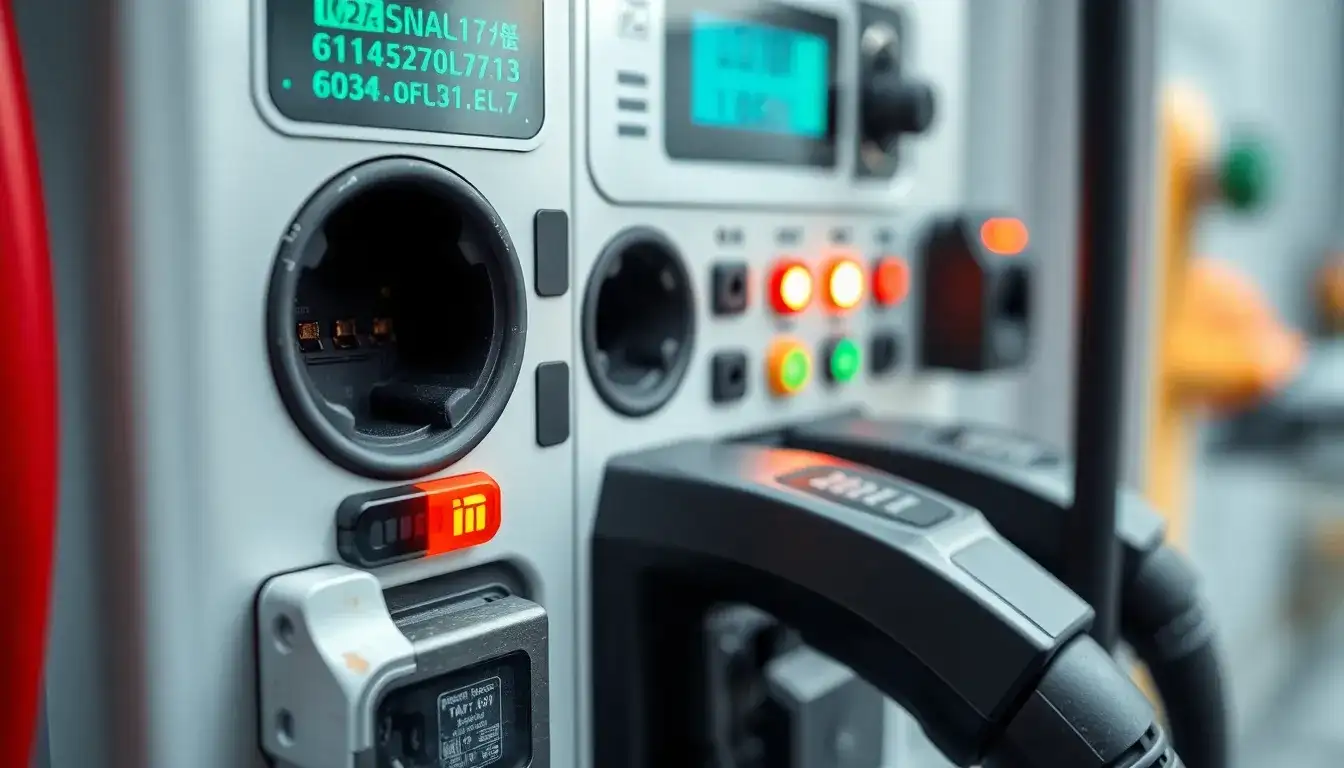
The most common hardware issues with EV chargers typically include the following:
- Faulty or Damaged Charging Cables and Connectors: One of the most frequent problems arises from worn, frayed, or defective charging cables and connectors. Damage can cause connection failures or prevent the charger from delivering power properly. Ensuring cables and connectors are intact and clean can help avoid this.
- Dirty or Corroded Connection Ports: Dirt, dust, or moisture buildup on either the charger plug or the vehicle’s charging port can disrupt the electrical connection, leading to charging failures. Regular cleaning and inspection of these ports are important maintenance steps.
- Malfunctioning Charging Stations: Hardware issues within the charging station itself, such as broken plugs, faulty internal electronics, or screen/display malfunctions, are common. Screen problems have been reported as a significant source of charger hardware issues, contributing to over three-quarters of such problems in some reports.
- Power Supply Problems: Issues with the electrical supply to the charger, such as tripped circuit breakers, inadequate voltage or current, power surges, or grid outages, can cause chargers to stop working properly. Ensuring a reliable and properly rated power source is crucial.
- Overheating: Overheating of the charger hardware or associated components can lead to failures or safety shutdowns. This can be caused by environmental temperature extremes or internal faults.
- Connector Compatibility and Fit: Sometimes damage or design mismatches cause the connector not to fit securely into the vehicle’s charging port, leading to intermittent or failed charging. Ensuring connectors are compatible and properly inserted resolves these problems.
- Software or Battery Management System (BMS) Hardware Glitches: While software glitches are not strictly hardware issues, faulty BMS hardware that manages battery health and charging can cause charging interruptions that may initially appear as hardware faults. Diagnosing these usually requires professional service.
Summarizing, the most prevalent hardware challenges with EV chargers revolve around physical cable and connector integrity, clean and secure connections, charger station hardware faults (especially screens and plugs), and stable electrical supply issues. Proper maintenance, regular inspections, and using compatible, high-quality equipment can minimize these problems.
This overview is based on common problem reports and troubleshooting advice from multiple EV charging expert sources.
Original article by NenPower, If reposted, please credit the source: https://nenpower.com/blog/what-are-the-most-common-hardware-issues-with-ev-chargers/

