The most common causes of permitting delays in utility-scale battery projects primarily include:
1. Grid Interconnection Challenges
- Obtaining grid interconnection is a significant bottleneck, leading to lengthy, uncertain study processes and frequent cancellations or withdrawals of projects. Interconnection delays stem from backlog in interconnection requests and the need for transmission upgrades, landowner agreements, and coordination with multiple stakeholders. These grid connection issues are a top cause of project delays in energy storage systems.
2. Local Ordinances, Zoning, and Community Opposition
- Local government regulations, zoning restrictions, and community opposition increasingly impact project timelines and cancellations. Opposition can cause delays as it requires developers to engage with communities and address concerns before construction. Failure or delay in addressing these local concerns can stall permitting approvals significantly.
3. Supply Chain and Market Constraints
- The supply chain for critical battery components such as transformers, substation equipment, and minerals like graphite (especially amid geopolitical tensions affecting supply) has tightened, leading to stockpiling, price increases, and delayed deliveries. These supply constraints extend project timelines beyond original schedules by months.
4. Complex Permitting Processes Due to Novel Technology
- Battery energy storage systems (BESS) involve complex permitting because the technology is relatively new and faces evolving regulatory requirements. Permitting authorities may lack clear, standardized processes or sufficient technical expertise, leading to prolonged review periods and additional data requests.
Summary Table of Causes of Permitting Delays
| Cause | Details |
|---|---|
| Grid Interconnection | Lengthy queue and study processes, transmission upgrades, agreement complications |
| Local Ordinances & Opposition | Zoning restrictions, opposition from communities, need for engagement and mitigation |
| Supply Chain Constraints | Shortages, geopolitical issues affecting battery materials, equipment stockpiling and delays |
| Complex/Burgeoning Permitting | Evolving regulations, lack of standardized procedures for BESS permitting |
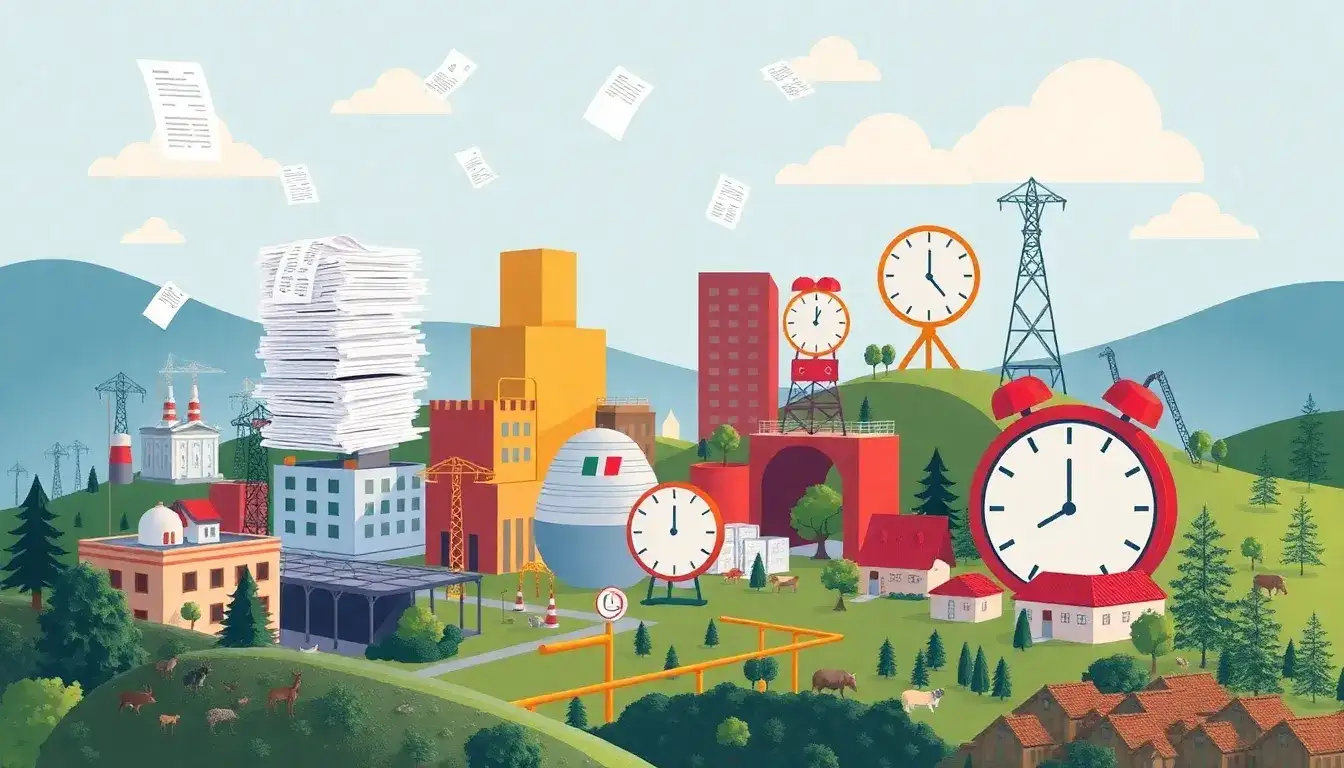
These factors combine to extend the typical utility-scale battery project timelines from often expected durations to 12-18 months or longer, with delays largely attributed to procedural, technical, and supply-related challenges.
Original article by NenPower, If reposted, please credit the source: https://nenpower.com/blog/what-are-the-most-common-causes-of-permitting-delays-in-utility-scale-battery-projects/