

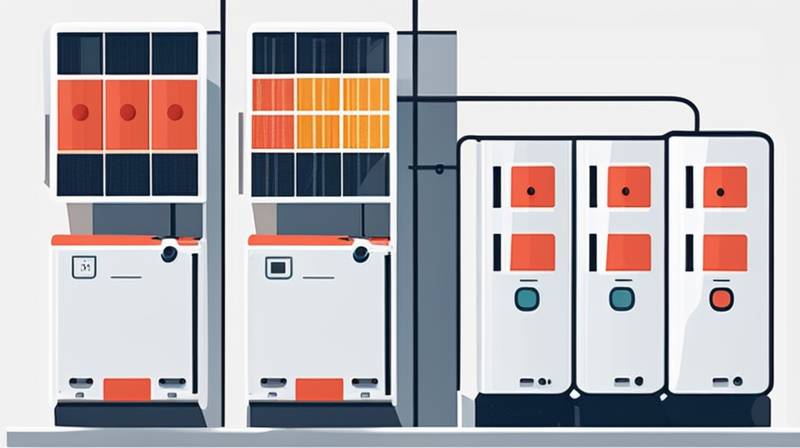
1. MODULE STRUCTURES OF ENERGY STORAGE SYSTEMS
Energy storage systems (ESS) have various module structures that define their efficiency and performance, including:
1. Different types, such as electrochemical, mechanical, and thermal storage,
2. System components playing critical roles, like batteries, converters, and control systems,
3. Innovative configurations, like containerized systems and modular designs,
4. Significant factors influencing performance, including capacity, power density, and lifecycle.
The choice of structure directly affects the functionality and applicability of energy storage solutions in diverse scenarios ranging from renewable energy integration to grid stabilization. Understanding these frameworks is essential for optimizing energy management strategies.
1. TYPES OF ENERGY STORAGE ARCHITECTURES
The architecture of energy storage solutions encompasses various types, each suited for specific applications and functionalities. Electrochemical storage systems, such as batteries, dominate the market due to their versatility and storage density. These units can be further classified into lithium-ion, lead-acid, and flow batteries, each with distinctive characteristics. Lithium-ion batteries, for instance, are prized for their high energy density and relatively low self-discharge rates, making them suitable for applications ranging from electric vehicles to grid storage. In contrast, lead-acid batteries boast a long history of use but fall short in terms of energy density and lifespan.
Mechanical energy storage alternatives, including pumped hydroelectric storage and compressed air energy storage (CAES), utilize gravitational potential energy and mechanical compression to store energy. Pumped hydro systems are favored for large-scale solutions, taking advantage of existing topographies to store and release energy through a combination of reservoirs at different elevations. On the other hand, CAES systems involve compressing air in underground caverns and releasing it to drive turbines, making them an appealing option for energy imbalance correction.
Thermal energy storage systems, such as molten salt and ice storage, utilize heat for energy retention. Molten salt systems store surplus energy by heating salts, which can later release heat to generate electricity when needed, while ice storage systems produce ice during periods of low electricity demand and utilize it to cool buildings during peak hours. Each type offers specific advantages and considerations, making selection crucial based on the intended application.
2. KEY COMPONENTS OF ENERGY STORAGE SYSTEMS
Delving deeper into energy storage architectures necessitates understanding the integral components that comprise these systems. Battery components encompass cells, modules, and packs, with cells being the fundamental building blocks, while modules are assembled groups of cells, and packs integrate multiple modules into a cohesive unit ready for installation. The configuration of these components influences the overall performance of the system, especially concerning capacity and energy density.
Inverters and converters are pivotal in the energy conversion process, transforming stored energy into usable forms. They manage the flow of power in and out of the storage system, ensuring seamless integration with other energy sources or loads. Advanced controllers are vital for optimizing energy flow, maintaining operational efficiency, and extending lifespan. Energy management systems (EMS) provide a framework for real-time monitoring and decision-making, considering factors such as load demand, generation patterns, and storage status.
A cooling system can also be necessary, especially for high-capacity systems. Heat generated during operation must be dissipated to maintain optimal performance and prevent degradation. Innovative solutions, including liquid cooling and passive thermal management, can enhance efficiency and prolong the lifespan of energy storage systems while ensuring safety during operation.
3. DESIGNING ENERGY STORAGE MODULES
The design of energy storage modules involves intricate considerations balancing performance, cost, and scalability. Modular designs allow systems to be tailored based on specific capacity requirements or application scenarios, facilitating gradual implementation and upgrading. Containerized storage units have simplified deployment while ensuring modularity. Users can install or remove modules according to evolving needs, aiding in dynamic energy management.
Moreover, the dimensions of energy storage structures impact shipping and installation logistics. Space constraints may drive the selection of compact designs that integrate multiple functions within a single module. Advanced materials and configurations can yield increased energy density, minimizing required footprint. It’s essential for designers to consider these factors without sacrificing performance or safety standards.
Another significant aspect relates to standardization and interoperability between different energy storage technologies and systems. Adopting common frameworks promotes seamless integration within larger energy infrastructure. Standards facilitate communication between disparate technologies, potentially optimizing overall operations and performance. This interoperability encourages innovation and collaboration across sectors, propelling the advancement of energy storage solutions.
4. PERFORMANCE FACTORS AND OPTIMIZATION
The efficiency and effectiveness of energy storage systems depend on several critical factors that dictate how they operate. Capacity, measured in kilowatt-hours (kWh), refers to the total amount of energy stored and is crucial for determining usability across various applications. Higher capacity is beneficial for long-duration applications, yet storage systems must balance this with considerations regarding power output.
Power density defines how swiftly energy can be released, essential for applications necessitating rapid response capabilities. Different energy storage technologies provide varying power densities; for instance, lithium-ion batteries excel in this aspect, making them suitable for applications, including electric vehicles and renewable energy adjustments.
Lifecycle and degradation pose challenges for energy storage systems. Understanding how various factors affect the longevity of storage solutions is pivotal for end-users. Employing strategies such as regular maintenance and intelligent energy management can optimize performance and extend the operational lifespan of these systems. Each of these performance aspects must be understood in context, illustrating the need for careful planning and selection of storage technologies to meet specific application demands.
FREQUENTLY ASKED QUESTIONS
WHAT ARE THE MAIN TYPES OF ENERGY STORAGE SYSTEMS?
Energy storage systems primarily encompass three main types: electrochemical, mechanical, and thermal. Electrochemical systems include lithium-ion and lead-acid batteries, each with unique characteristics suited for various applications. Mechanical systems comprise pumped hydro storage and compressed air energy storage, ideal for large-scale and long-duration applications. Thermal systems utilize heat retention methods like molten salt or ice storage, catering to applications requiring temperature regulation. All these types serve unique roles in energy management, allowing users to choose based on their specific needs and operational contexts.
HOW DOES THE PERFORMANCE OF ENERGY STORAGE SYSTEMS VARY AMONG DIFFERENT TECHNOLOGIES?
The performance of various energy storage technologies is defined by factors including capacity, power density, and lifecycle. Capacity is crucial for determining how much energy can be stored, while power density influences how quickly that energy can be accessed. Lithium-ion batteries offer both high power density and capacity, making them preferable for applications requiring rapid energy discharge. Conversely, technologies like flow batteries may provide longer lifecycle capabilities but sacrifice some power density. Ultimately, choosing the right technology entails matching performance characteristics with the requirements of specific applications.
WHAT FACTORS AFFECT THE LIFESPAN OF ENERGY STORAGE SYSTEMS?
The lifespan of energy storage systems is influenced by several interrelated factors, including charge cycles, temperature management, and overall system design. Frequent charging and discharging can lead to degradation over time, affecting performance and reducing the usable life. Maintaining optimal temperature levels is vital; excessive heat can accelerate degradation, particularly for electrochemical systems. Additionally, thoughtful system design, incorporating quality materials and components, plays a significant role in longevity. Proactive maintenance and intelligent energy management practices can further extend the life of energy storage solutions by optimizing operational conditions.
THE SIGNIFICANCE OF MODULARIZED ENERGY STORAGE SYSTEMS
The intricate dynamics of energy storage architectures must not be overlooked, as they underscore the critical role played by modular designs in today’s energy landscape. Adopting modular systems allows for versatile responses to fluctuating energy demands while enhancing scalability. This flexibility creates pathways for efficient energy management and augments the resilience of energy infrastructures globally. Furthermore, the strategic interplay of various storage technologies provides comprehensive solutions for optimizing renewable energy use while addressing challenges related to intermittency.
The methodologies driving these modular designs also extend beyond mere functionality. They embody sustainability best practices, ensuring that systems can evolve with technological advancements. All stakeholders, from policymakers to energy producers, must recognize the profound implications these structures have on clean energy transitions. Design innovations will invariably shape how future generations confront energy challenges across diverse applications, whether urban settings or remote locales.
Ultimately, the module structures of energy storage systems serve as foundational elements in an ever-evolving energy ecosystem. As technology progresses, understanding their complexities and implications will foster more resilient, efficient, and sustainable energy infrastructures. This vital knowledge will empower stakeholders to harness the full potential of energy storage solutions, contributing to a balanced energy future.
Original article by NenPower, If reposted, please credit the source: https://nenpower.com/blog/what-are-the-module-structures-of-energy-storage-systems/

