Solar power distribution for vehicles incorporates innovative techniques and systems to harness sunlight for energy needs, enhancing sustainability in the automotive sector. 1. Solar panels integrated into the vehicle design, 2. Solar charging stations, 3. Solar energy storage solutions, 4. Vehicle-to-grid technology. Each method offers unique advantages and presents challenges, but together they pave the way for a greener future in transportation. An elaborate focus on solar panels reveals that they can be finely integrated into rooftops, hoods, and even windows of vehicles, allowing the collection of solar energy while minimizing aesthetic disruption. This integration enables vehicles to operate more efficiently by reducing reliance on traditional fuel sources, thus lowering emissions.
1. SOLAR PANELS INTEGRATED INTO VEHICLE DESIGN
The integration of solar panels into the vehicle’s design is a revolutionary approach that enhances energy efficiency. Solar cells are strategically placed on rooftops and hoods, ensuring that the vehicle can capture sunlight during operation or parking. The efficiency of solar panels has significantly improved over the years, with advanced photovoltaic technology enabling higher energy capture rates. Manufacturers now strive to create aesthetically pleasing designs that do not compromise the vehicle’s overall appearance while maximizing sunlight exposure.
The benefits of this method extend beyond mere energy collection. The added power from solar panels can directly support a range of vehicle functions, including air conditioning, lighting, and even auxiliary systems. Such energy independence can lead to reduced fuel consumption and lower operational costs. Furthermore, advancements in transparent solar technology pave the way for the utilization of vehicle windows as solar collectors, further enhancing energy capture without altering vehicle design. By integrating solar panels aesthetically and functionally, automobile manufacturers are positioning themselves as leaders in eco-friendly innovation.
2. SOLAR CHARGING STATIONS
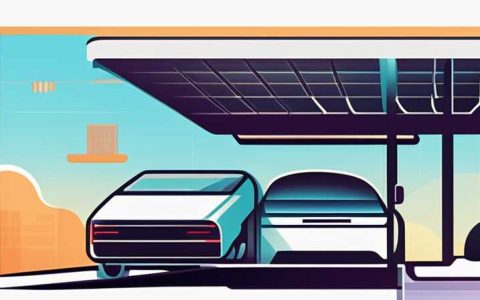
The advent of solar charging stations represents a significant leap forward in solar power distribution for vehicles. These stations are powered entirely by solar energy, converting sunlight into electricity to charge electric vehicles. Solar charging stations can alleviate the dependency on the traditional power grid, which is often reliant on fossil fuels, thus promoting a cleaner energy landscape.
These stations offer numerous advantages, including the installation of solar panels in locations with high traffic, such as shopping centers and urban areas. The ability to recharge vehicles while parked fosters a convenient ecosystem for electric vehicle users. Additionally, the incorporation of energy storage systems, such as batteries, allows for surplus energy generated during peak sunlight hours to be stored and utilized during less sunny periods. This results in a consistent and reliable energy supply. The proliferation of solar charging stations encourages widespread adoption of electric vehicles, driving the shift towards sustainable transportation.
3. SOLAR ENERGY STORAGE SOLUTIONS
An essential aspect of utilizing solar power for vehicles is the effective storage of solar energy. Solar energy storage solutions involve batteries that store solar electricity for use when sunlight is not available. Advancements in battery technology, such as lithium-ion batteries, have made it possible to store substantial amounts of energy efficiently. This allows vehicles to draw on solar energy collected during the day, providing consistent power for various functions.
Battery storage systems can enhance the capability of the vehicle’s solar panels by ensuring that energy is not wasted when not immediately required. For example, during long trips, the stored energy can be used for lighting, climate control, or charging other electronic devices. Integration of these systems can also allow for vehicle-to-grid technology, where stored energy can be fed back into the power grid, providing a dual benefit to users and the wider community. The emergence of solar energy storage solutions not only contributes to an eco-friendly vehicle functionality but also plays a vital role in the larger ecosystem of renewable energy utilization.
4. VEHICLE-TO-GRID TECHNOLOGY
Vehicle-to-grid (V2G) technology represents a transformative approach in utilizing electric vehicles as mobile energy storage units. By allowing cars to communicate with the power grid, electric vehicles equipped with solar panels can not only consume energy but also return energy back when necessary. This bidirectional energy flow creates a more balanced energy ecosystem, alleviating stress on the grid, especially during peak demand periods.
Implementing V2G technology helps stabilize the power grid as electric vehicles can act as temporary energy sources. During times of high energy demand, these vehicles can release stored energy, contributing to the grid and reducing reliance on non-renewable energy sources. Furthermore, drivers can benefit economically from this arrangement, receiving compensation or credits for the energy supplied back to the grid. V2G technology fosters collaboration between consumers and energy providers, encouraging an integrated approach towards energy consumption and distribution.
SOLAR POWER DISTRIBUTION FOR VEHICLES: FREQUENTLY ASKED QUESTIONS
WHAT IS THE IMPORTANCE OF SOLAR POWER FOR VEHICLES?
The significance of solar power in the automotive industry cannot be overstated. It represents a shift towards sustainable energy solutions, dramatically reducing the carbon footprint associated with vehicle operation. Solar power can reduce dependence on fossil fuels, hence contributing positively to environmental protection. By implementing solar technology, manufacturers position themselves favorably in the market, responding to the increasing demand for eco-conscious options. Additionally, energy independence gained through solar power can potentially lower operational costs for vehicle owners, thereby promoting a more sustainable lifestyle.
CAN SOLAR POWER ALONE FUEL A VEHICLE?
While solar power can significantly reduce the energy needs of vehicles, relying solely on solar energy for complete propulsion may be challenging. Factors such as geographic location, weather conditions, and solar panel efficiency play a crucial role in energy generation. In optimal conditions, solar energy can greatly contribute to vehicle functions and supplement electric power needs, yet most vehicles would still require supplemental energy sources for longer journeys or low-sunlight environments. Thus, while integrating solar technology brings immense advantages, it is typically part of a broader energy approach.
HOW DO SOLAR CHARGING STATIONS WORK?
Solar charging stations operate by using photovoltaic panels to convert sunlight into electricity, which is then stored in battery systems for later use. The energy generated can charge electric vehicles parked at the station, providing a clean and renewable source of power. The efficiency of these stations hinges on their design and location; to maximize energy exposure, they are typically installed in areas with high sunlight availability. Additionally, some solar charging stations are integrated with smart technology, allowing them to manage energy flow and optimize charging times based on grid demand.
**The exploration of methods for solar power distribution in vehicles signifies a profound shift in the automotive landscape, focusing on sustainability and energy independence. By integrating solar panels into vehicle designs, establishing solar charging stations, implementing storage solutions for energy, and embracing vehicle-to-grid technology, the fusion of renewable energy into transportation becomes a tangible reality. Each of these methods plays a pivotal role in addressing the growing concerns regarding carbon emissions and fossil fuel dependency. Solar panels, for instance, not only provide immediate energy for vehicle functionality but also symbolize a larger commitment to environmentally responsible engineering. Solar charging stations complement this by ensuring that energy sources remain renewable at points of vehicle recharge, fostering a sustainable ecosystem. Energy storage innovations further enhance the practicality of solar energy in everyday use, allowing for efficient management of resources. V2G technology ultimately completes this framework by enabling vehicles to supply energy back to the grid, creating a reciprocal relationship that benefits all stakeholders involved.
As we progress, the ongoing development of these methods will continue to pave the way for a future where vehicles become self-sufficient energy producers. This transition marks an important step towards minimizing our environmental impact, enhancing energy security, and promoting smarter, cleaner transportation solutions. It speaks volumes about the commitment of both consumers and manufacturers to embrace renewable energy technologies. Such advancements have the potential to significantly reshape how we perceive energy consumption in the automotive industry, moving towards a more sustainable paradigm that aligns with global efforts to combat climate change. The integration of solar power technologies in vehicles represents a significant opportunity for not only revolutionizing transportation but also for fostering a cleaner, greener planet for generations to come.**
Original article by NenPower, If reposted, please credit the source: https://nenpower.com/blog/what-are-the-methods-of-solar-power-distribution-for-vehicles/