

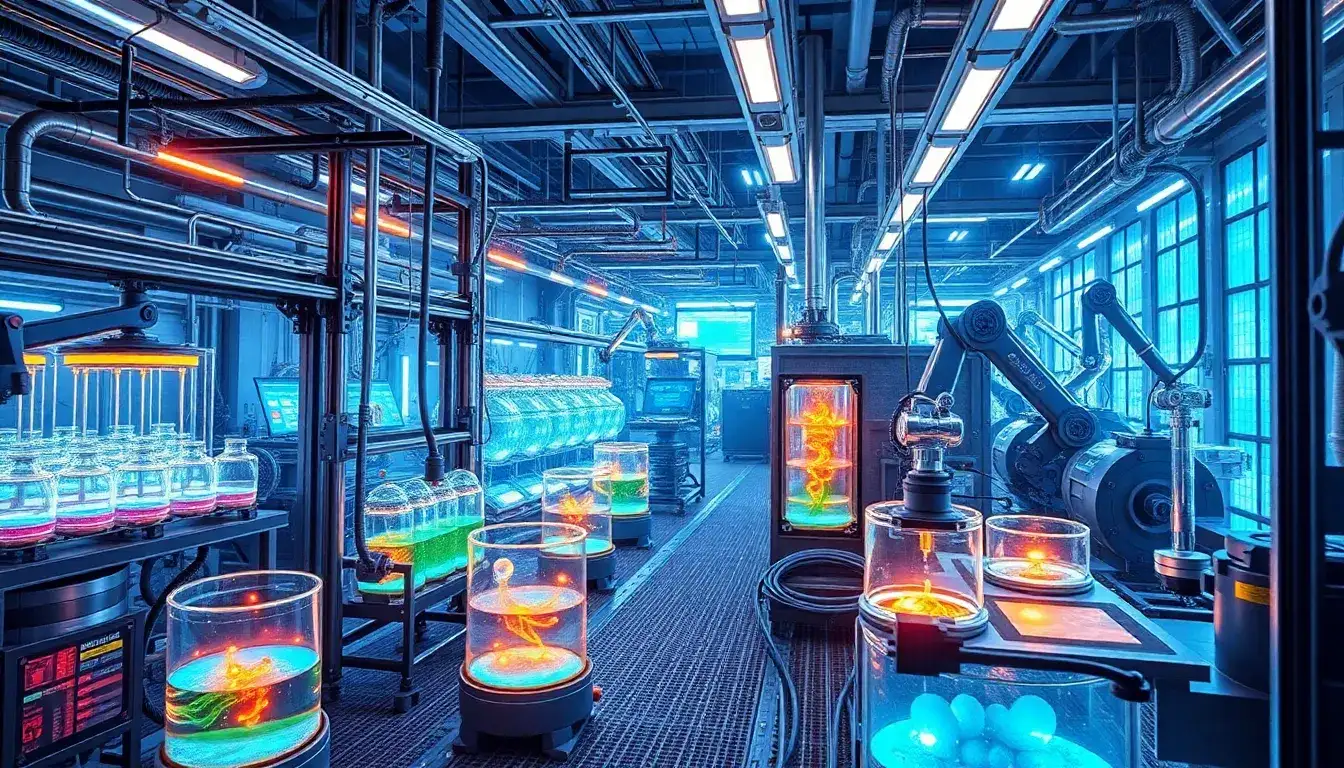
Manufacturing flow batteries, particularly vanadium flow batteries, encounters several complexities that can stall production:
- Scalability and Standardization Challenges:
- Scale-Up Issues: There are challenges in scaling up production due to a lack of industry-wide standards. This makes it difficult for manufacturers to efficiently produce flow batteries on a large scale.
- Standardization: The absence of unified standards complicates installations and maintenance, as contractors have limited experience with flow batteries.
- Supply Chain Concerns:
- Vanadium Supply: Flow batteries rely heavily on vanadium, which faces supply chain pressures. The global demand could rise significantly by 2030, and most of the world’s vanadium comes from China and Russia, creating potential geopolitical dependencies.
- Raw Material Security: Ensuring a stable supply of vanadium is critical. Alternative electrolytes are being explored to mitigate this risk.
- High Upfront Costs and Electrolyte Management:
- Expenses: The high upfront costs of flow batteries are a significant barrier to adoption.
- Electrolyte Cross-Contamination: The risk of electrolyte cross-contamination during operation can lead to reduced efficiency and longevity, adding complexity to their maintenance.
- Manufacturing and Process Efficiency:
- Complex Production Requirements: Flow batteries require complex manufacturing processes, which can be challenging and costly. There’s a need for upgrading existing production lines or building new ones to accommodate advanced cell designs.
- Geopolitical Dependence:
- Regions like Europe currently lack vanadium production, increasing reliance on imports. Initiatives to start local extraction, such as Norge Mining’s plans in Norway, aim to address this.
Original article by NenPower, If reposted, please credit the source: https://nenpower.com/blog/what-are-the-manufacturing-complexities-that-stall-production-of-flow-batteries/

