

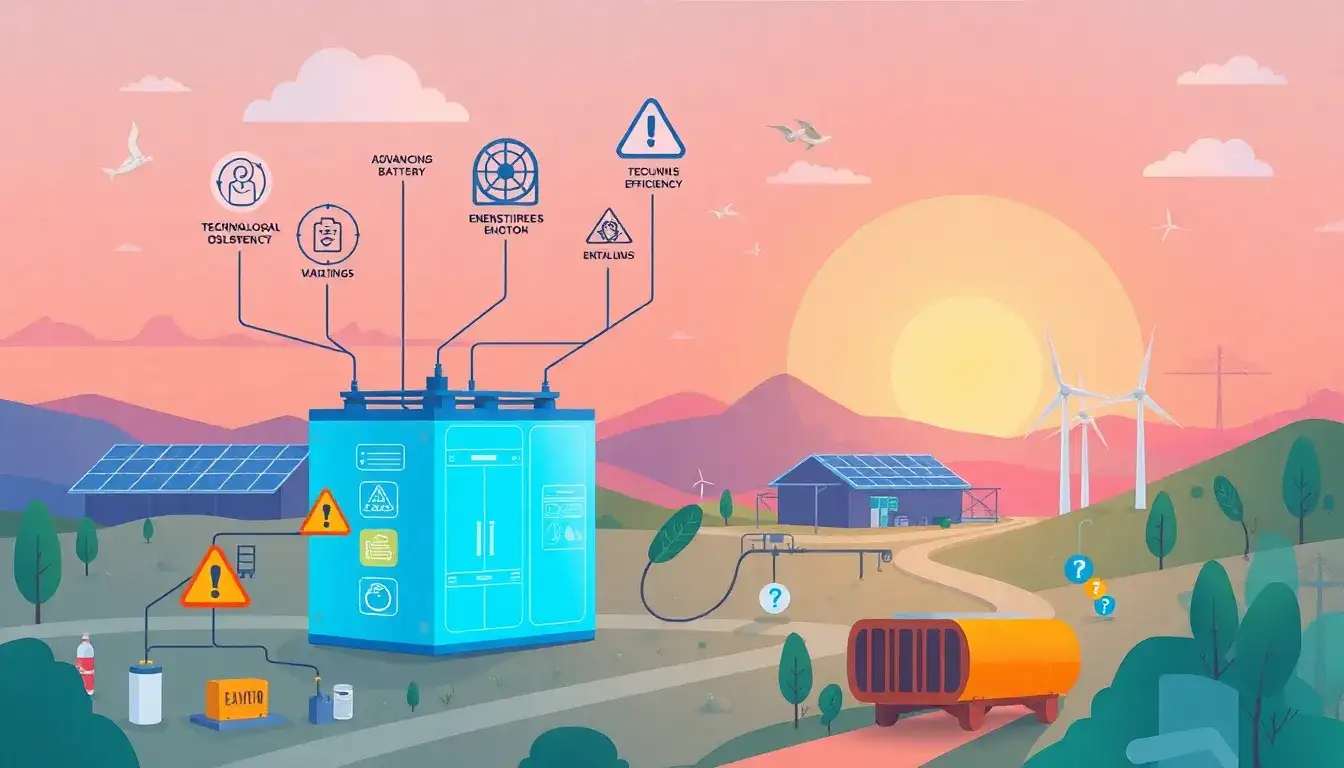
When assessing the technology risks of energy storage projects, lenders typically focus on several key areas:
- Technology Risks Due to Novelty
Lenders view newer energy storage technologies as having increased risk due to a lack of historical data. This includes hydrogen, compressed air, and advanced battery technologies beyond lithium-ion, which are the most widely used. - Capacity Degradation and Safety Issues
For projects using lithium-ion batteries, lenders scrutinize capacity degradation over time and safety issues such as overheating, which can lead to thermal runaway and potential fires. - Technology Performance and Reliability
Lenders require a robust review from an independent engineer to ensure that the project meets commissioning testing and minimum performance requirements. This includes evaluating the system’s ability to handle thermal management and other operational challenges. - Supply Chain and Cost Volatility
Lenders consider the volatility in battery markets, ensuring that there are sufficient reserves for potential cost increases and adequate buffers to address delays in construction and supply chain disruptions. - Software and Intellectual Property Rights
Lenders ensure that the project company has secure rights to the system’s software and intellectual property, which is crucial for daily operations and maintenance, as well as in the event of operator replacement or lender intervention.
Original article by NenPower, If reposted, please credit the source: https://nenpower.com/blog/what-are-the-main-technology-risks-that-lenders-assess-in-energy-storage-projects/

