

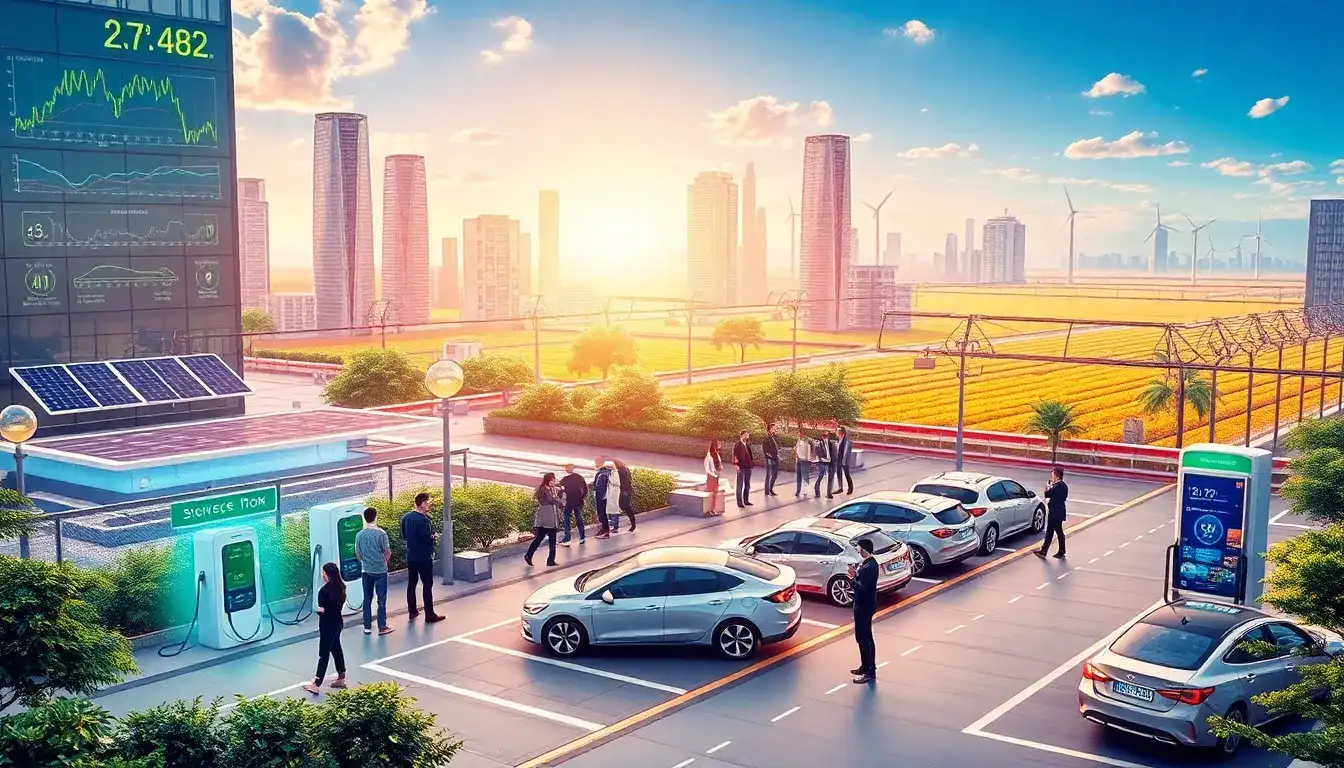
The main strategies for managing plug-in hybrid electric vehicle (PHEV) charging to avoid peak demand involve optimizing when and how charging occurs to smooth out electricity consumption and reduce costly demand spikes. Key approaches include:
Load Management and Smart Charging
- Implement intelligent load management systems that dynamically allocate power among multiple chargers, preventing excessive simultaneous demand that creates peaks.
- Use smart charging technologies to stagger charging start times or reduce charging rates during peak grid demand periods to spread out the load.
Scheduled and Off-Peak Charging
- Shift charging to off-peak hours when electricity demand and rates are lower, such as nighttime or early morning.
- Utilize time-of-use (TOU) electricity pricing to schedule charging sessions during lower-cost periods, reducing peak demand impacts and costs.
Demand Response Programs
- Participate in utility demand response programs where charging schedules or power usage are adjusted in real-time based on grid conditions.
- These programs may provide financial incentives for reducing electricity usage during peak demand periods.
Energy Storage Systems
- Integrate battery energy storage systems (BESS) that store electricity during low-demand times and discharge during peak demand to reduce grid power draw at peak times.
- Energy storage can also improve resilience by providing backup power during outages.
On-Site Renewable Energy Generation
- Incorporate renewable generation such as solar panels to offset grid electricity use during peak hours.
- Pairing solar generation with batteries enhances the ability to supply clean power during high-demand times, further reducing peak demand charges.
Real-Time Monitoring and Analytics
- Use submetering and real-time energy monitoring to gain detailed insights into charging patterns.
- Analyze data to optimize charging schedules and identify inefficiencies to minimize peak load impacts and energy costs.
These combined strategies enable PHEV charging infrastructure to reduce or shift peak electricity demand, lowering demand charges and easing strain on the grid while maintaining reliable vehicle charging.
Original article by NenPower, If reposted, please credit the source: https://nenpower.com/blog/what-are-the-main-strategies-for-managing-phev-charging-to-avoid-peak-demand/

