

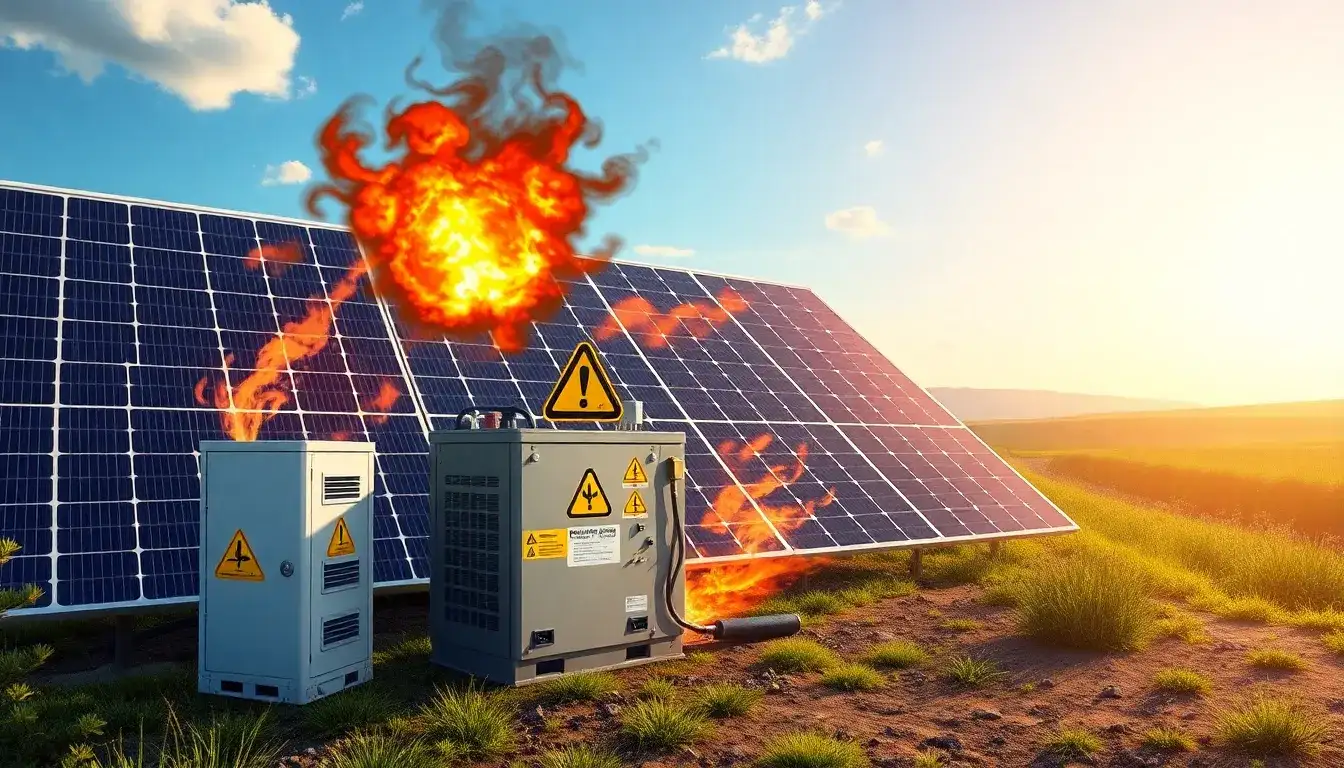
Safety Concerns
- Thermal Runaway and Fire Risk: Lithium-ion batteries can undergo thermal runaway, leading to fires, especially if they overheat or experience physical damage. This risk is exacerbated by high temperatures or mechanical abuse.
- Toxic Gases and Explosions: During a thermal runaway, lithium-ion batteries can release toxic gases and may even explode, posing a significant hazard.
- Overcharging and Overheating: Lithium-ion batteries are sensitive to overcharging and overheating, which can trigger safety events like fire or explosion.
- Electrolyte Flammability: The electrolyte in lithium-ion batteries is flammable, contributing to the risk of fire when exposed to heat or damage.
- Poor Quality Control and Manufacturing: Defects in battery cells, such as microscopic metal particles causing short circuits, can lead to safety incidents.
Mitigations
- Advanced Battery Chemistries: Using safer chemistries like lithium-iron phosphate (LFP) can reduce the risk of fire compared to other types like nickel-manganese-cobalt (NMC).
- Regulatory Compliance and Testing: Ensuring that battery systems meet stringent safety standards and undergo rigorous testing can significantly reduce failure rates.
- Proper Installation and Maintenance: Ensuring that batteries are properly installed and maintained reduces risk factors such as overheating or electrical shorts.
- Improvements in Battery Design: Features like dividers between cells and thermal management systems help prevent the spread of failures within battery packs.
Original article by NenPower, If reposted, please credit the source: https://nenpower.com/blog/what-are-the-main-safety-concerns-with-lithium-ion-batteries-in-solar-energy-systems/

