

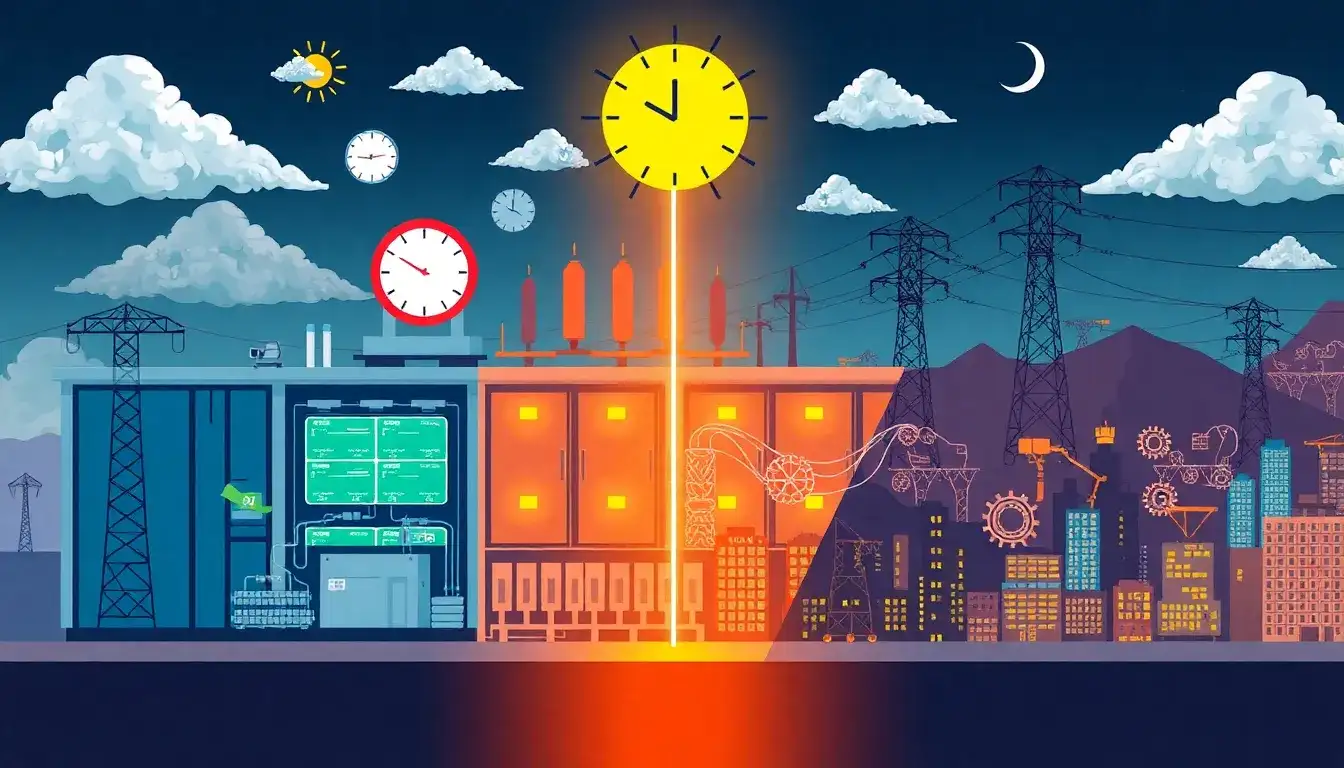
Operational Constraints
- State of Charge Requirements: Energy storage systems often have specific state of charge requirements, particularly when providing ancillary services. For example, in the California Independent System Operator (CAISO), storage operators must maintain a state of charge to accommodate a portion of their capacity at any time during the operating hour. This can affect how storage is dispatched and its overall efficiency.
- Operational Limitations: Unlike traditional power plants, energy storage systems have inherent operational constraints. They can only operate within specific parameters and may need to maintain certain levels of charge to ensure functionality.
- Dispatch Variability and Bid Cost Recovery: Changes in dispatch instructions can affect profitability. Variability caused by state of charge requirements can lead to bid cost recovery payments that may not align with actual availability, creating market and financial challenges.
- Market Volatility: The integration of large amounts of renewable energy can lead to low or negative power prices in some regions, impacting the profitability of energy storage systems. This necessitates finding alternative revenue streams, such as pairing with renewable generators or participating in emerging markets.
- Regulatory and Market Changes: Rapid changes in regulatory environments and market structures can pose significant challenges for utility-scale energy storage operators. These changes can affect pricing, revenue models, and overall viability.
Original article by NenPower, If reposted, please credit the source: https://nenpower.com/blog/what-are-the-main-operational-constraints-faced-by-utility-scale-energy-storage-systems/

