

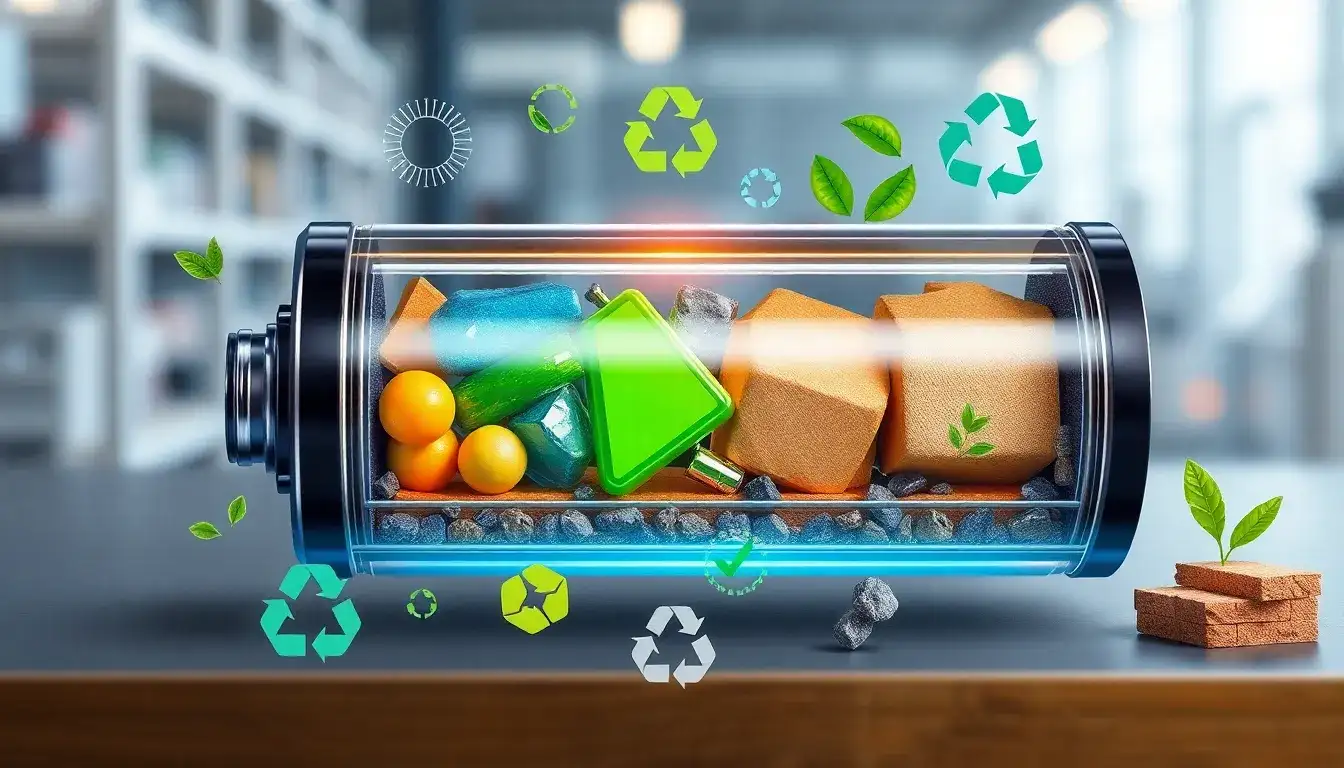
Main Materials Used in Solid-State Batteries
Cathode Materials:
- Lithium Cobalt Oxide (LiCoO2): Offers high energy density and long cycle life but has safety concerns and uses cobalt, which raises sustainability issues.
- Lithium Iron Phosphate (LiFePO4): Safer and longer-lived than lithium cobalt oxide, but with lower energy density. It is considered more sustainable due to the absence of cobalt.
- Lithium Nickel Cobalt Oxide (NMC) and Lithium Cobalt Aluminum Oxide (LCOA): Also provide high energy density and cycle life but involve costly and less sustainable materials like cobalt and nickel.
Anode Materials:
- Metallic Lithium: Common in solid-state lithium-ion and lithium-sulfur batteries, enabling high energy density and safety improvements.
- Carbon Materials (e.g., carbon nanotubes): Used in lithium-ion solid-state batteries for high surface area and electrochemical performance.
- Silicon Materials: Emerging as an anode option with high capacity but still under development.
Electrolyte Materials:
- Solid electrolytes replace the liquid or gel electrolytes of traditional lithium-ion batteries. They include:
- Ceramics such as oxides, sulfides, and phosphates.
- Solid polymers.
- These materials facilitate ion movement and improve safety by eliminating flammable liquids.
- Oxide and sulfide ceramics are inorganic electrolytes, while polymers are organic.
- Sulfide electrolytes have high potential for development due to good ionic conductivity but may have chemical stability challenges.
- Polymer electrolytes offer ease of processing and good mechanical properties but have lower ionic conductivity and chemical stability, limiting high-voltage use.
Sustainability Considerations
- Cobalt and Nickel Use: Many cathode materials contain cobalt and nickel, which are associated with environmental concerns and ethical issues due to mining practices. Lithium Iron Phosphate cathodes improve sustainability by avoiding cobalt.
- Material Scarcity and Cost: Materials like lithium metal and rare metals in electrolytes raise questions about long-term availability and cost. Solid-state batteries aim to reduce the reliance on scarce or hazardous liquids.
- Safety and Lifecycle: Solid-state batteries have inherently safer chemistries (non-flammable electrolytes) and longer cycle life, which can reduce waste and resource demand over time.
- Manufacturing Complexity and Energy Use: Solid electrolytes, especially ceramics, may require energy-intensive production, impacting sustainability depending on manufacturing processes.
In summary, solid-state batteries use advanced cathode materials (including lithium cobalt oxide, iron phosphate, nickel cobalt oxides), lithium metal or carbon-based anodes, and solid electrolytes made from ceramics or polymers. Their sustainability is improved compared to conventional lithium-ion batteries mainly through safer, longer-lasting chemistries and reduced liquid electrolyte use, though challenges remain regarding the sourcing and cost of raw materials like cobalt, nickel, and lithium, and the energy intensity of manufacturing solid electrolytes.
Original article by NenPower, If reposted, please credit the source: https://nenpower.com/blog/what-are-the-main-materials-used-in-solid-state-batteries-and-how-sustainable-are-they/

