

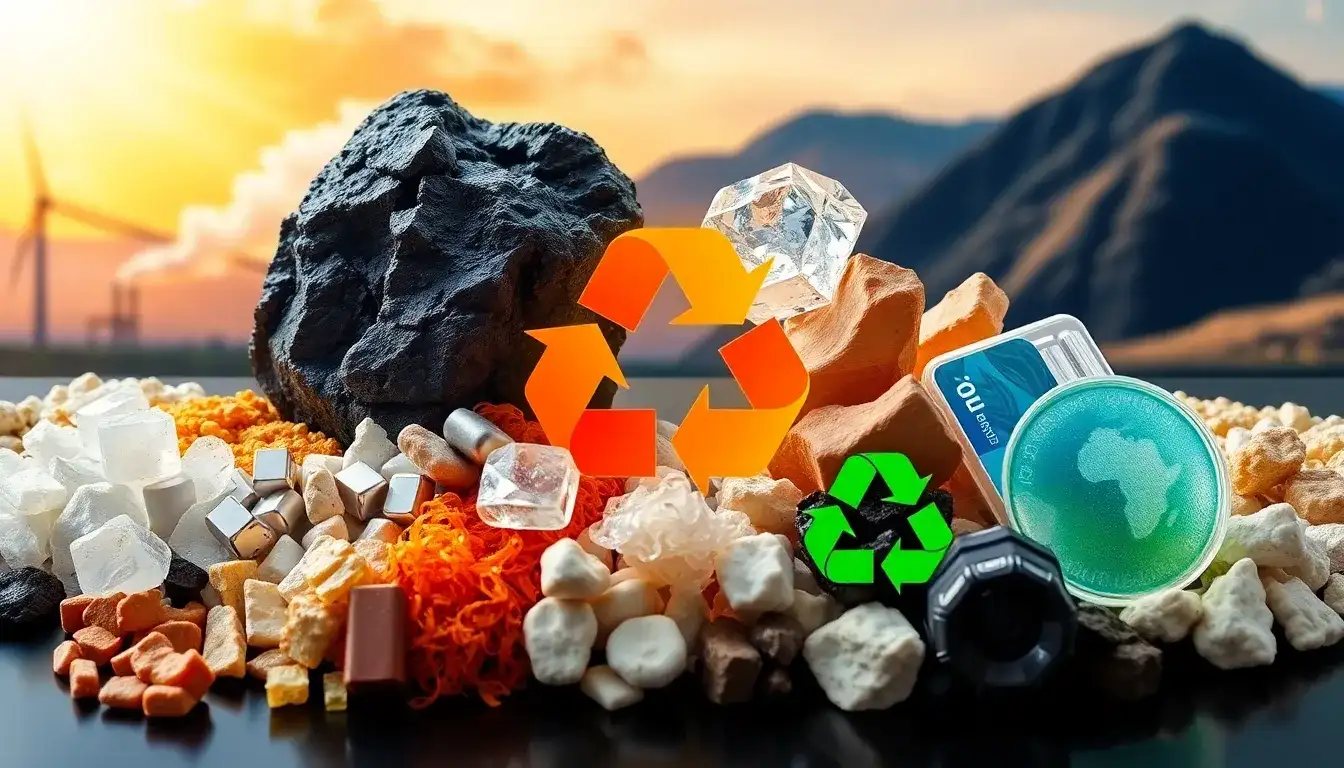
Main Materials Used in Solar Battery Production
Solar batteries, particularly those used for storing excess energy from solar panels, are primarily made from two types of battery technologies: Lithium-Ion and Lead-Acid.
Lithium-Ion Batteries
- Key Components:
- Lithium: Essential for the electrolyte.
- Cathode Materials: Commonly lithium cobalt oxide, lithium manganese oxide, or lithium iron phosphate.
- Anode Materials: Typically graphite, silicon, or lithium titanate.
- Separators: Thin layers preventing direct contact between electrodes.
- Electrolytes: Lithium salts dissolved in solvents.
- Metals: Copper for foils and other structural components.
- Minerals and Elements:
- Lithium is sourced from countries like Chile, Australia, and China.
- Cobalt, Manganese, Graphite, and Vanadium are also crucial materials.
Lead-Acid Batteries
- Key Components:
- Lead Plates: Positive (lead dioxide) and negative (pure lead) plates.
- Sulfuric Acid Electrolyte: Used for energy storage.
- Separators: Prevent physical contact between plates.
- Minerals and Elements:
- Lead is commonly sourced from countries like China, Australia, and the USA.
- Sulfuric Acid for the electrolyte.
Environmental Impacts
The production and disposal of solar batteries can have significant environmental impacts.
Lithium-Ion Batteries
- Lithium Mining: Can release toxic chemicals into waterways, affecting aquatic ecosystems.
- Material Extraction: The extraction of cobalt and other materials can lead to human rights issues and environmental degradation in mining regions.
- Energy Efficiency and Recycling: Despite these challenges, lithium-ion batteries offer higher efficiency and can be recycled, reducing waste and extending resource life.
Lead-Acid Batteries
- Lead Pollution: Improper disposal can lead to soil, air, and water contamination, impacting human health and wildlife.
- Recycling: Lead-acid batteries have a well-established recycling process, which helps mitigate some of the environmental risks.
Strategies for Mitigating Environmental Impacts
- Sustainable Mining Practices: Implementing eco-friendly extraction methods.
- Recycling Technologies: Developing advanced recycling processes for both lithium-ion and lead-acid batteries.
- Eco-Friendly Alternatives: Exploring alternative materials like sodium for saltwater batteries, which may reduce environmental footprint.
Overall, while solar batteries are crucial for renewable energy systems, their production and disposal require careful management to minimize environmental impacts and ensure sustainability.
Original article by NenPower, If reposted, please credit the source: https://nenpower.com/blog/what-are-the-main-materials-used-in-solar-battery-production-and-their-environmental-impacts/

