

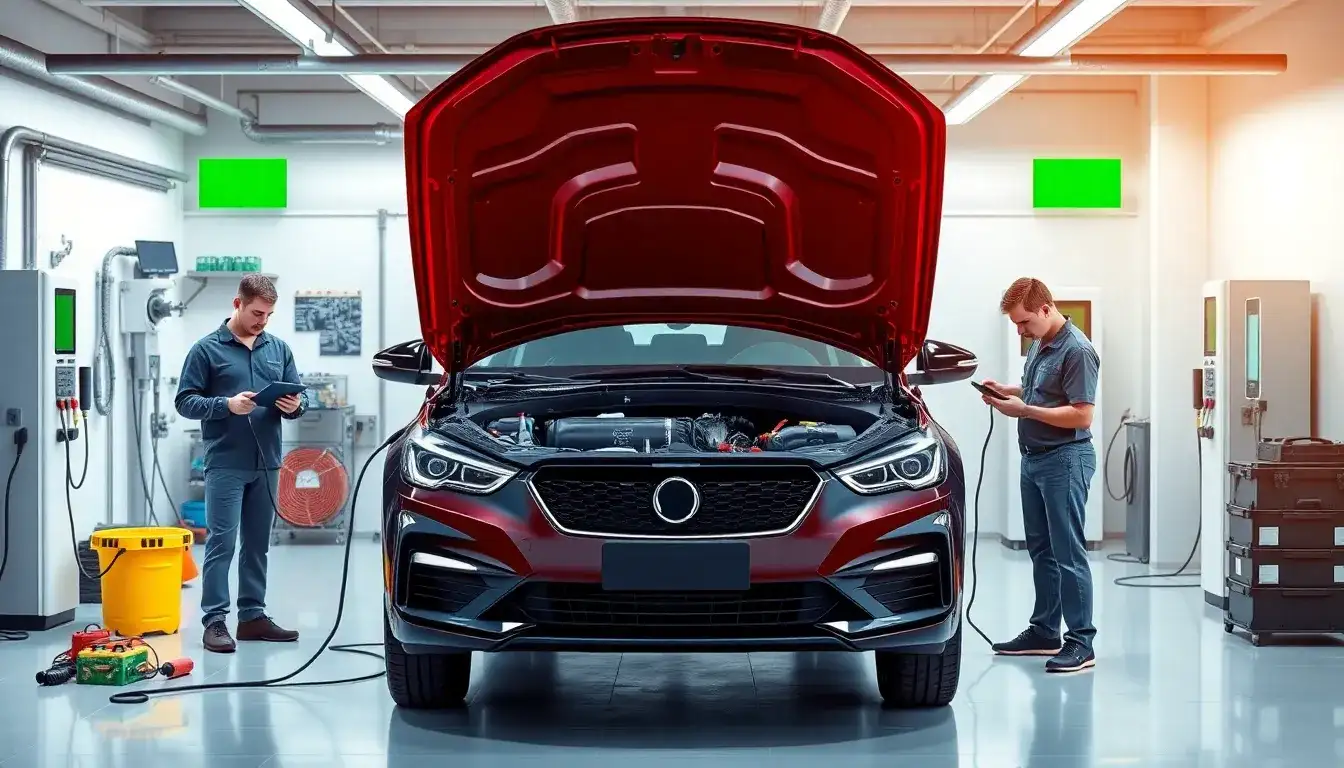
Plug-in hybrid electric vehicles (PHEVs) combine internal combustion engine (ICE) components with electric systems, requiring a mix of traditional and hybrid-specific maintenance:
1. Traditional ICE maintenance
Oil changes, fluid checks, and engine inspections remain essential, as PHEVs still rely on gasoline engines for extended range. This includes replacing engine oil, air filters, and timing belts, though frequency may decrease compared to conventional vehicles due to reduced engine use.
2. Battery system checks
High-voltage battery inspections are critical, focusing on cooling systems, charging capacity, and software updates. While PHEV batteries require less maintenance than ICE components, regular monitoring helps prevent degradation.
3. Brake system servicing
Regenerative braking systems (which recharge the battery during deceleration) reduce wear on traditional friction brakes but require specialized diagnostics to ensure proper function of both mechanical and electrical components.
4. Tire rotations and alignments
Tire maintenance demands extra attention due to PHEVs’ heavier weight from battery packs, requiring regular pressure checks and rotations every 3,000-5,000 miles.
5. Hybrid-specific components
Coolant system checks for both the battery pack and electric motor, along with high-voltage cable inspections, require specialized expertise. Electrical systems generally need minimal maintenance compared to mechanical parts.
PHEVs benefit from regenerative braking’s extended brake pad life, but maintenance schedules should still follow manufacturer guidelines for both ICE and electric components.
Original article by NenPower, If reposted, please credit the source: https://nenpower.com/blog/what-are-the-main-maintenance-tasks-for-phevs/

