

Electromagnetic Radiation Risks
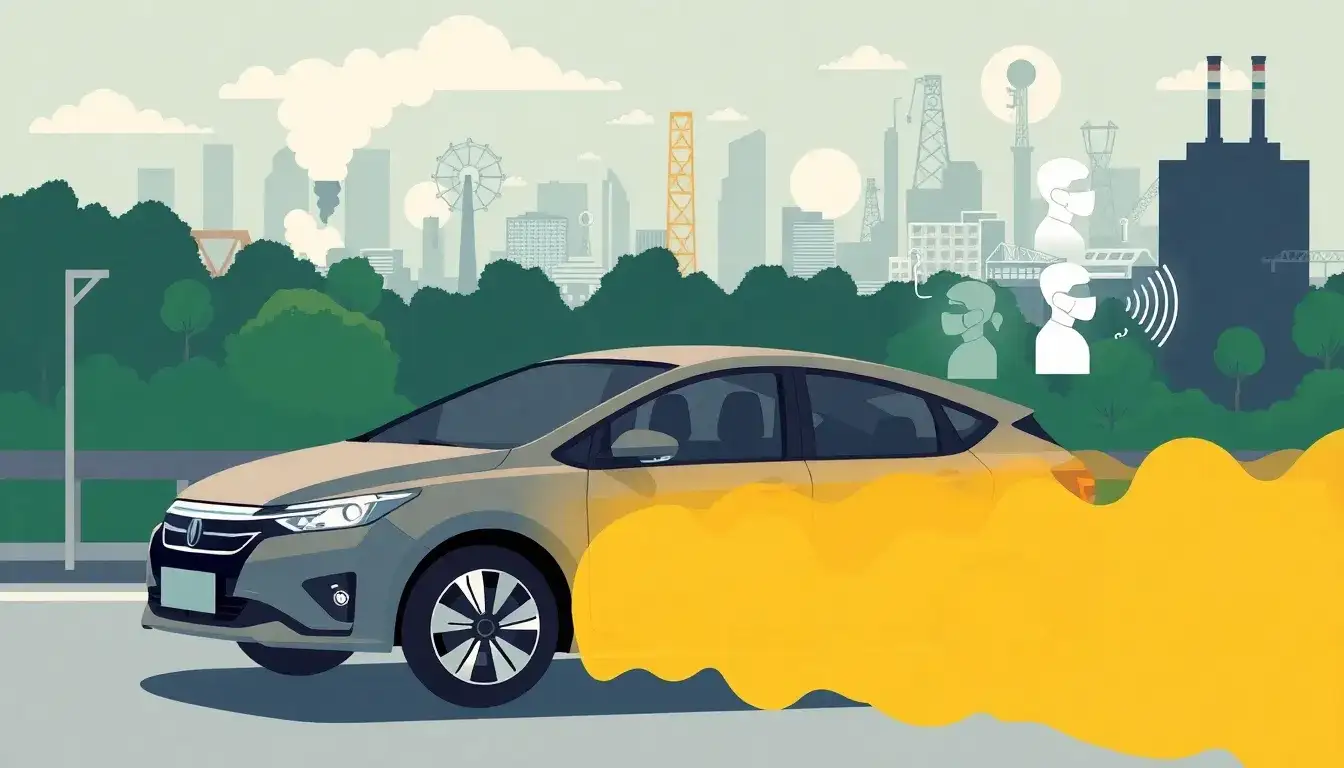
Hybrid vehicles produce extremely low frequency (ELF) electromagnetic fields (EMF) due to their electric motors and electrical components. These ELF EMFs are considered “possibly carcinogenic” to humans by the International Agency for Research on Cancer (IARC) since 2001. Hybrid vehicles expose drivers and passengers to these fields continuously during use, potentially increasing health risks with prolonged exposure. Additionally, drivers may also be exposed to radiofrequency EMF components from wireless communication devices integrated into the vehicles, which adds to total EMF exposure. There is concern among some scientists and over 250 EMF experts who have signed appeals for stronger health guidelines, as current international standards like those from ICNIRP may be insufficient to protect health. Some studies have linked long-term exposure to strong EMFs with cancers such as leukemia, though scientific consensus is still lacking and further research is needed.
Fire and Crash-Related Hazards
Hybrid vehicles also pose distinct fire and crash-related health risks. Their lithium-ion batteries can catch fire producing extremely high temperatures (up to over 5,000 degrees Fahrenheit), toxic fumes, and risk of thermal runaway—a condition where battery overheating leads to uncontrollable fires. These fires are difficult to extinguish because water or foam can trigger violent flare-ups by generating explosive hydrogen and oxygen gases. The electrical system carries high voltages (up to 400 volts), creating a risk of electrical shock, especially for first responders. Toxic burns and respiratory reactions from lithium exposure are also possible. Furthermore, hybrid battery fires can reignite up to 24 hours after being initially put out. These hazards complicate emergency response and require specialized training for firefighters.
Summary
- Electromagnetic fields (EMFs) in hybrids raise possible cancer risks, particularly with long-term exposure, though scientific consensus is not definitive and regulatory limits may be insufficient.
- Battery fires and crashes pose risks of extreme heat, toxic fumes, electrical shock, and difficulty extinguishing fires, threatening occupants and emergency responders alike.
- Additional respiratory risks exist from traditional exhaust emissions if the vehicle is idling, but this is common to all combustion engine vehicles and not unique to hybrids.
In conclusion, the principal health concerns linked with hybrid vehicles center on their EMF exposure and the specific hazards of lithium-ion battery fires and crashes. Both areas require ongoing research and specialized safety protocols to mitigate risks effectively.
Original article by NenPower, If reposted, please credit the source: https://nenpower.com/blog/what-are-the-main-health-risks-associated-with-hybrid-vehicles/

