

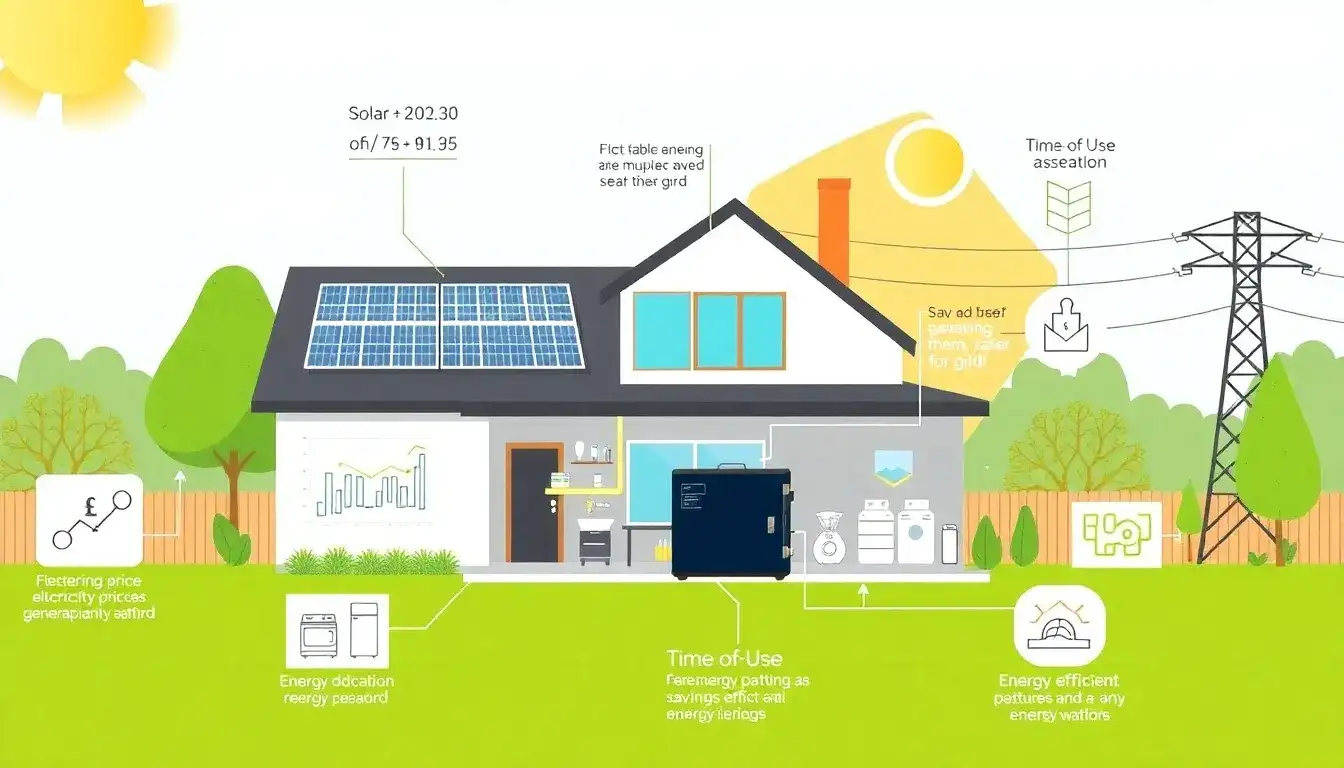
The savings from a residential energy storage system are influenced by several key factors:
- System Size and Storage Capacity
– The size of the storage system, including its total capacity, affects how much excess energy can be stored. Larger systems allow for more energy storage, which can lead to greater savings by reducing the need for grid electricity during peak hours. - Energy Consumption Patterns
– Understanding a household’s daily energy usage patterns is crucial. Systems can be optimized to store energy during off-peak hours and use it during peak demand times, reducing energy bills. - Integration with Renewable Energy Sources
– If the system is integrated with solar panels or other renewable sources, it can capture excess energy generated during the day for use at night or on cloudy days, maximizing the benefits of renewable energy installations. - Local Electricity Prices and Time-of-Use Tariffs
– Systems can save homeowners money by storing energy when rates are low and using it during peak hours when rates are higher. This strategy is especially effective in areas with time-of-use pricing. - Grid Stability and Backup Power During Outages
– While not directly contributing to financial savings, providing backup power during outages enhances energy independence and ensures continuous power supply, which may indirectly impact costs by reducing reliance on costly backup generators. - Government Incentives and Rebates
– Many governments offer incentives for installing energy storage systems, which can offset the initial costs and enhance overall savings over time. - Scalability and Cost-Effectiveness
– Scalable systems allow for future expansion, and while higher capacity systems cost more initially, they can provide greater long-term savings and self-sufficiency.
Original article by NenPower, If reposted, please credit the source: https://nenpower.com/blog/what-are-the-main-factors-that-influence-the-savings-from-a-residential-energy-storage-system/

