

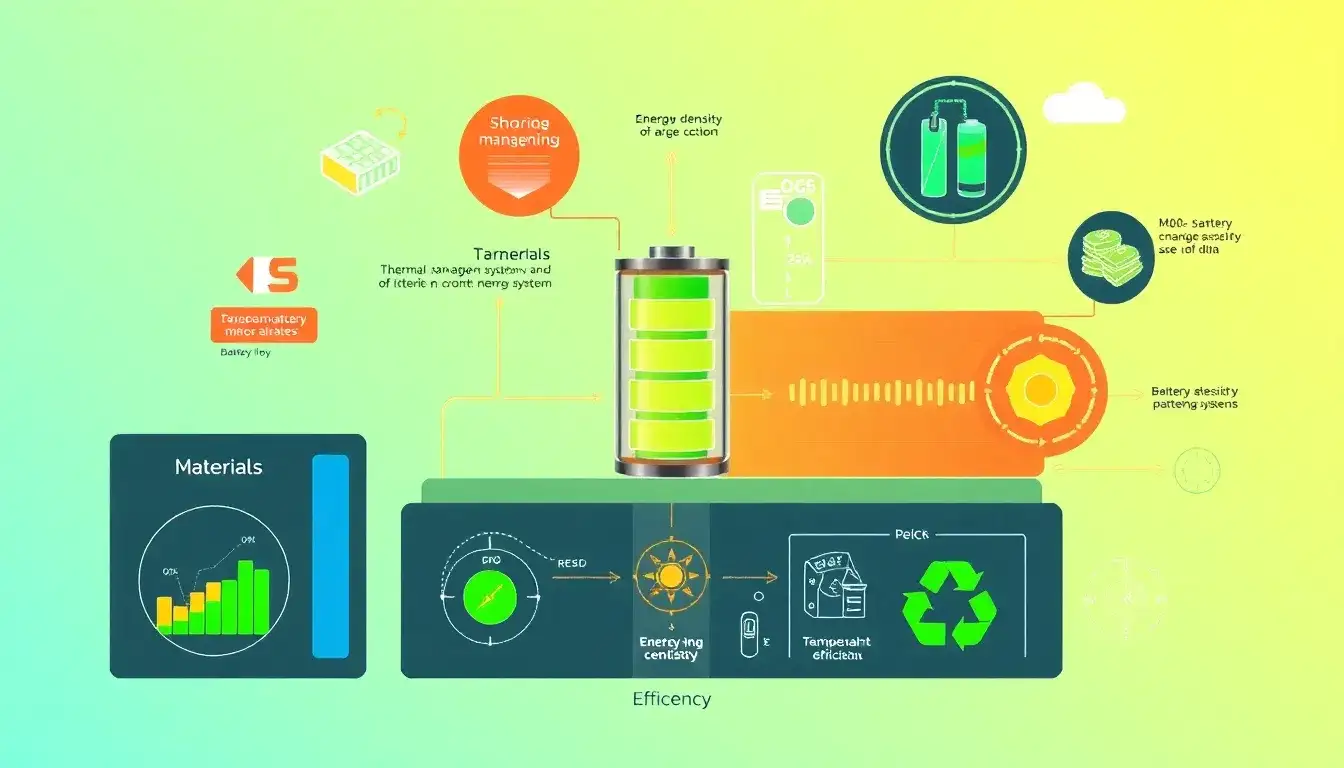
The main factors influencing the energy efficiency of lithium-ion batteries encompass both operational conditions and intrinsic battery design elements. These factors determine how effectively the battery can store and deliver energy, as well as its longevity and safety. Key factors include:
Charge and Discharge Conditions
- Charge Current: Charging at a moderate current optimizes efficiency and lifespan. High charging currents accelerate the formation of harmful layers like the solid electrolyte interface (SEI) on the anode and lithium buildup on the cathode, which inhibit ion transport and reduce efficiency.
- State of Charge (SoC): Maintaining an optimal state of charge helps avoid stress on the battery that can degrade performance and efficiency.
Internal Battery Characteristics
- Internal Resistance: Lower internal resistance means less energy lost as heat during charge/discharge cycles, improving energy efficiency.
- Battery Temperature: Efficient operation occurs within certain temperature ranges. Both excessively high and low temperatures impair efficiency by affecting internal resistance and chemical reactions.
- Battery Age: Aging leads to increased internal resistance and buildup of passivation layers, reducing coulombic and energy efficiencies over time.
Electrolyte and Chemical Factors
- Electrolyte Transport Performance: Optimizing electrolyte composition and wettability enhances ion transport, improving charge/discharge efficiency. Use of advanced solid electrolytes can further boost ion mobility and overall battery performance.
- Side Reaction Inhibition: Reducing unwanted chemical side reactions by improving manufacturing processes, controlling electrode preparation conditions, and adding electrolyte additives minimizes energy loss and enhances stability.
Battery Management and Design
- Battery Management System (BMS): Intelligent BMS monitor and adjust charging/discharging in real-time, improving safe use and enhancing efficiency by optimizing operational parameters.
- Integration and Modular Design: Proper cell integration reduces internal resistance and enhances stability, energy density, and safety, contributing to better overall efficiency.
- Extended Cycle Life: Improving electrode materials, electrolytes, and management systems extends battery life, maintaining efficiency over many cycles and lowering long-term costs.
- Regular Maintenance: Cleaning terminals and periodic testing help maintain low resistance and verify capacity, supporting efficiency over time.
Measurement Insight
Energy efficiency can be measured by coulombic efficiency (the ratio of discharge to charge capacity) and voltage efficiency (the ratio of average discharge voltage to average charge voltage). Efficiency tends to decrease at higher charge rates; for example, a 20-hour charge (0.05C) yields ~99% energy efficiency, while faster rates like 0.5C or 1C reduce efficiency.
In summary, lithium-ion battery energy efficiency is primarily influenced by charge current, battery condition (age, temperature, internal resistance), electrolyte optimization, side reaction control, intelligent management systems, and physical design of the battery modules. Maintaining ideal operating conditions and employing advanced materials and BMS technology collectively improve the energy efficiency and lifespan of lithium-ion batteries.
Original article by NenPower, If reposted, please credit the source: https://nenpower.com/blog/what-are-the-main-factors-influencing-the-energy-efficiency-of-lithium-ion-batteries/

