

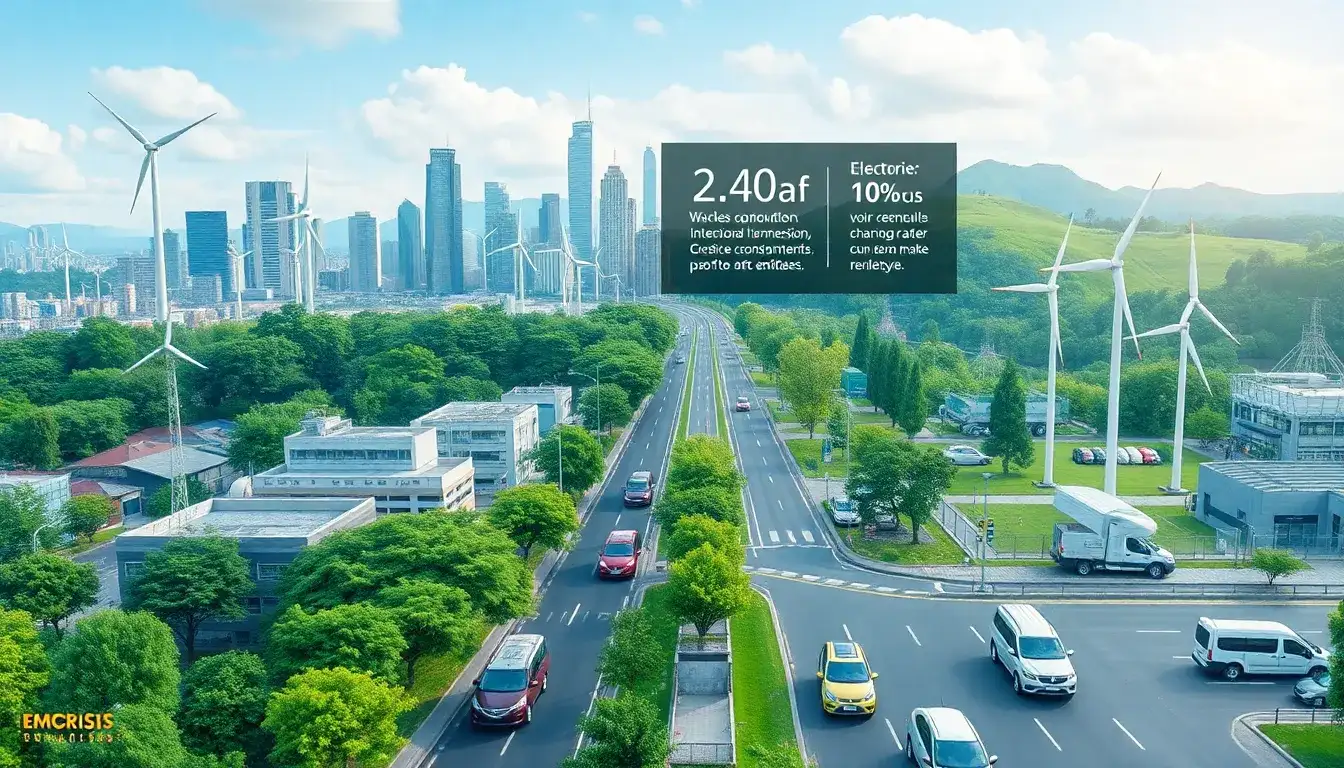
The main factors influencing the emissions benefits of electric vehicles (EVs) revolve primarily around the source of the electricity used to charge the vehicles, vehicle efficiency, and the extent of their adoption alongside the energy grid composition.
Key Factors Influencing Emissions Benefits of EVs
-
Electricity Generation Mix
The life cycle emissions of an EV depend significantly on the electricity generation sources used for charging. In regions where electricity is generated predominantly from low-polluting or renewable sources such as wind, solar, or hydroelectric power, EVs typically show a clear life cycle emissions advantage over gasoline or diesel vehicles. Conversely, in areas heavily reliant on fossil fuels like coal or natural gas for electricity, the emissions benefits of EVs are reduced and may be marginal compared to conventional vehicles. -
Tailpipe vs. Upstream Emissions
EVs produce zero tailpipe emissions, which directly reduces local air pollutants and greenhouse gases from the vehicle itself. However, emissions related to power plants generating the charging electricity still exist and vary widely depending on the power source used. Therefore, shifting emissions from tailpipes to power generation plants is a critical consideration in evaluating overall environmental benefits. -
Energy Efficiency of EVs
Electric vehicles convert a much higher proportion of energy from the battery into vehicle movement (approximately 87%–91%) compared to internal combustion engine vehicles, which typically convert only about 16%–25% of the fuel’s energy to movement. This higher efficiency amplifies the emissions advantage of EVs, even when some electricity generation emissions occur. -
Scale of EV Adoption and Grid Decarbonization
Studies show that broader adoption of EVs coupled with increased use of zero-emission energy sources in the electricity grid maximizes climate and public health benefits. For instance, scenarios of 75% EV adoption combined with a largely emission-free power supply result in the greatest reductions in CO2 emissions and air pollutants. On the other hand, if increased EV charging demand is met primarily by combustion-based electricity generation, adverse health and climate impacts may increase substantially. -
Life Cycle and Regional Considerations
Evaluations of emissions benefits need to incorporate the entire vehicle life cycle, including manufacturing and disposal, but the dominant factor remains the electricity source used for charging in a given geographic area. Tools such as EPA’s Power Profiler and the Electricity Sources and Emissions Tool allow users to assess emissions benefits based on local electricity mixes.
Summary
| Factor | Impact on EV Emissions Benefits |
|---|---|
| Electricity generation mix | Most critical; renewable energy yields greatest emissions reductions |
| Tailpipe vs upstream emissions | Tailpipe emissions eliminated; upstream emissions depend on power |
| Vehicle energy efficiency | High efficiency improves overall emissions profile |
| Scale of adoption & grid carbon intensity | Larger adoption + cleaner grid = greater climate & health benefits |
| Regional life cycle variations | Local electricity source mix and vehicle lifecycle emissions matter |
In essence, the emissions benefits of electric vehicles are maximized when they are charged with electricity generated from low- or zero-carbon sources, combined with their inherent high energy efficiency, and widespread adoption alongside grid decarbonization efforts. Without these conditions, the emissions advantages may be diminished but typically still favor EVs over conventional gasoline vehicles.
Original article by NenPower, If reposted, please credit the source: https://nenpower.com/blog/what-are-the-main-factors-influencing-the-emissions-benefits-of-electric-vehicles/

