

1. Electricity Rates
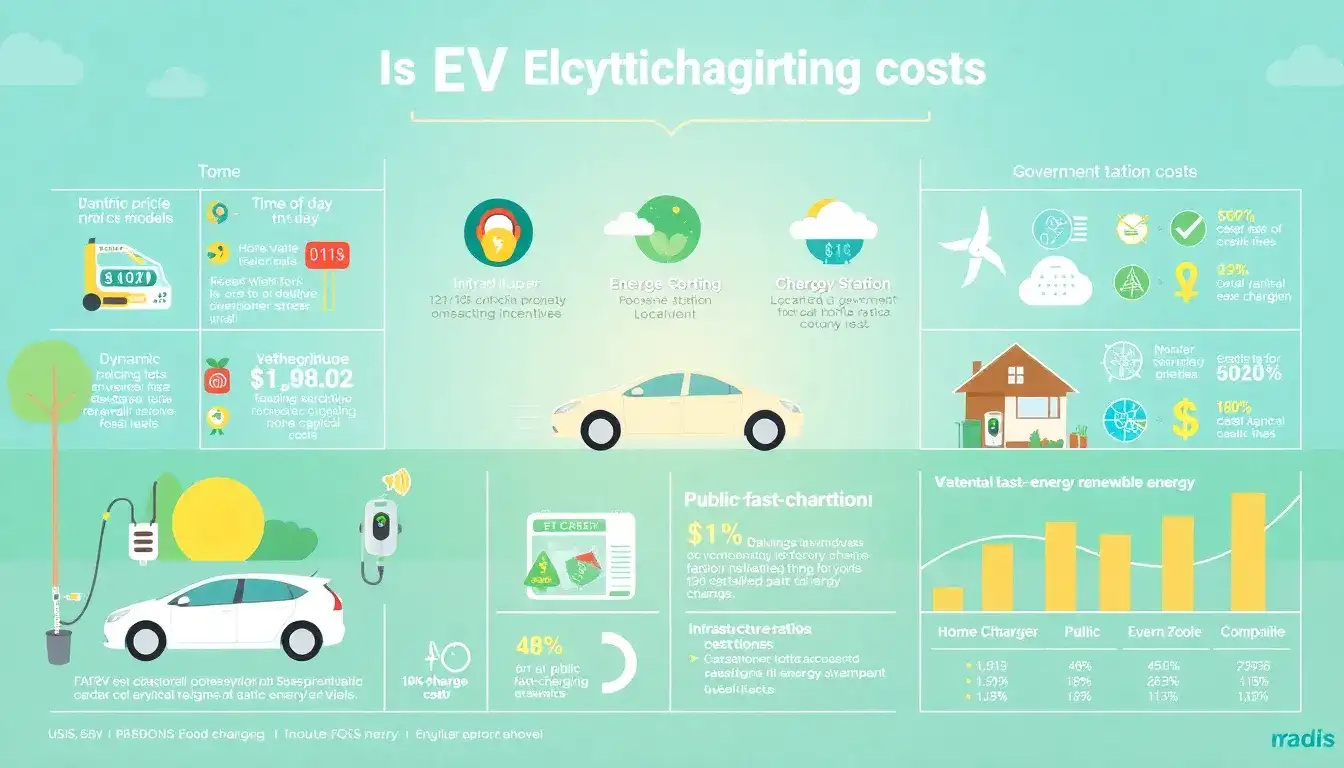
The cost per kilowatt-hour (kWh) charged by local utility providers is a primary influence. Electricity prices vary widely by location and can range from as low as $0.10/kWh to as high as $0.47/kWh residentially in the U.S. This variation leads to significant cost differences in charging the same EV battery in different areas (e.g., $8.10 to $18.90 to charge a 54-kWh battery depending on the city).
2. Type of Charger and Charging Speed
EV charging equipment greatly impacts cost:
- Level 1 (120V) charging uses a standard outlet and is slow (50+ hours for full charge), often suitable only for emergencies. It doesn’t require installation.
- Level 2 (240V) charging stations, common for home installations, offer faster charging (4-10 hours) and moderate costs.
- DC Fast Charging (Level 3) is the fastest and most convenient for rapid top-offs (30 minutes to 1 hour) but typically costs much more and requires commercial-grade electrical infrastructure.
Faster charging usually carries a higher per-kWh cost due to increased infrastructure and operational expenses.
3. EV Battery Size and Vehicle Energy Efficiency
The larger the battery capacity, the more electricity is required to recharge it fully, increasing cost. More energy-efficient EV models consume less electricity for the same mileage, thus lowering charging expenses.
4. Location and Regional Variations
Charging costs vary by geographical region and urban versus rural settings. Urban areas often have higher operational costs leading to higher charging fees, including potential parking charges at public stations. Local regulations and utility structures can further influence prices.
5. Time-of-Use (TOU) Pricing
Many utilities offer variable electricity rates depending on the time of day. Charging during off-peak hours can reduce costs significantly, while peak-hour charging might be more expensive.
6. Installation and Electrical Infrastructure
For home charging, installation complexity and electrical infrastructure upgrades (e.g., upgrading panels, wiring) can add upfront costs, indirectly influencing the overall cost of charging setup and maintenance.
In summary, EV charging costs are shaped by electricity pricing, charger type and speed, the vehicle’s battery size and efficiency, geographical and regulatory factors, timing of charging, and installation complexity. Balancing these factors helps optimize charging expenses.
Original article by NenPower, If reposted, please credit the source: https://nenpower.com/blog/what-are-the-main-factors-influencing-ev-charging-costs/

