

Key Environmental Risks
- Lead Leakage and Toxicity:
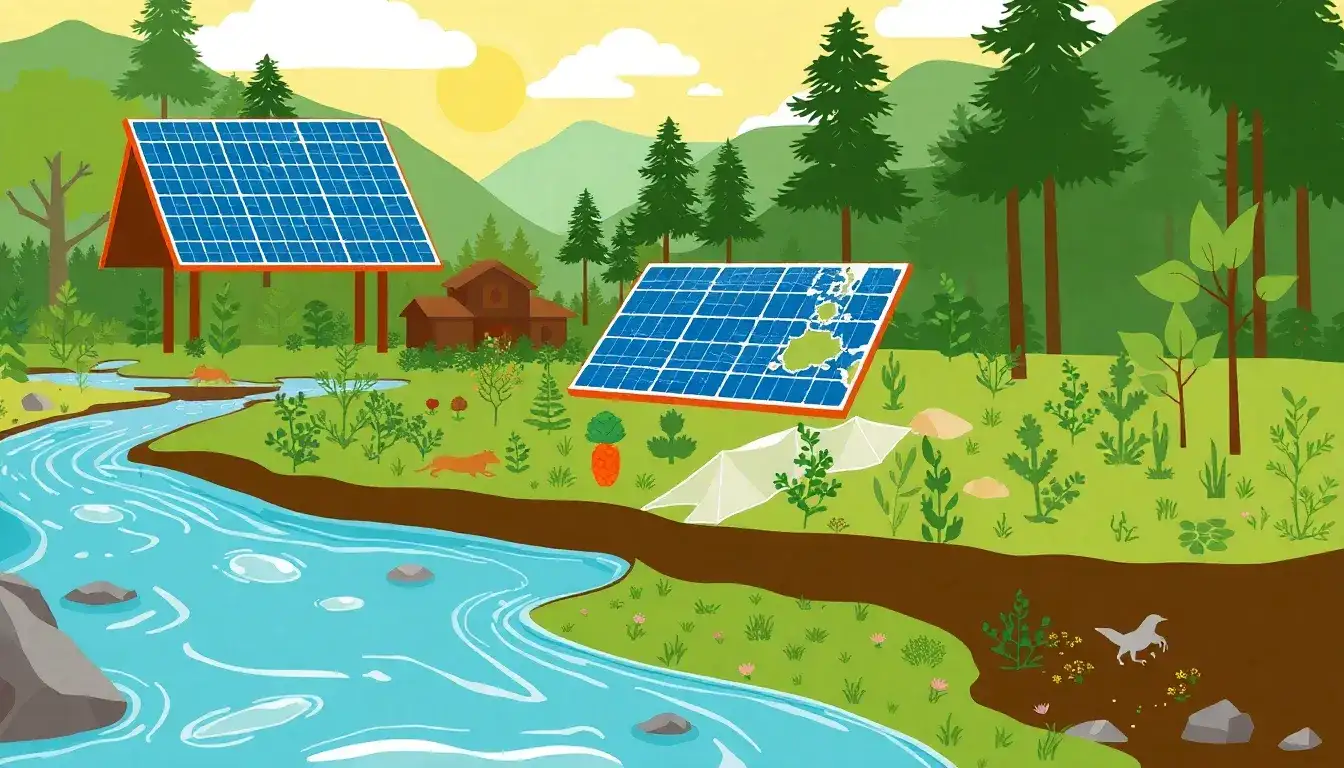
Most high-performance perovskite solar cells (PSCs) contain lead in their structure, commonly in the form of lead iodide or lead ions. These materials are water soluble, which means during degradation or damage (e.g., panel breakage or end-of-life disposal), lead ions can leach into the environment, contaminating soil and water sources. This lead release is the main environmental hazard since lead is toxic to both humans and wildlife. - Susceptibility to Environmental Factors:
PSCs are sensitive to moisture, oxygen, and mechanical stress, which can accelerate degradation and thus increase the chance of toxic lead release. Environmental exposure over the panel’s lifecycle can cause release of lead compounds, posing risks especially if protective encapsulation fails. - End-of-Life Management and Recycling Challenges:
Without proper recycling and disposal frameworks, lead-containing PSCs can contribute to environmental lead contamination. Recycling procedures aimed at recovering lead and other materials can mitigate these risks, but such programs are still under development and not widely standardized. - Comparative Environmental Impacts:
Though the addition of perovskite layers slightly increases certain environmental impacts (like metal depletion and ecotoxicity) compared to traditional silicon modules, studies suggest the overall environmental burden from lead in PSCs is relatively low compared to other manufacturing impacts. Still, lead toxicity remains a concern due to its hazardous nature.
Mitigation Strategies
- Use of encapsulation and advanced interfacial layers to prevent moisture ingress and mechanical damage, thereby limiting lead leakage.
- Development of alternative lead-free perovskite formulations to avoid lead-related toxicity.
- Implementation of standardized testing protocols and recycling programs to safely manage PSCs at end of life, recovering valuable materials and preventing environmental contamination.
Summary
The environmental risks from perovskite solar panel degradation principally stem from the leaching of toxic lead compounds, facilitated by the water solubility of common perovskite materials. This poses potential contamination risks to water and soil, with implications for ecosystems and human health. These risks are exacerbated by the panels’ vulnerability to environmental stresses over time. However, advances in encapsulation, alternative materials, and recycling methods offer pathways to reduce these hazards and promote safer, more sustainable use of PSC technology.
This assessment is based on scientific reviews highlighting the importance of lead containment and the need for environmental risk management in the lifecycle of perovskite solar panels.
Original article by NenPower, If reposted, please credit the source: https://nenpower.com/blog/what-are-the-main-environmental-risks-associated-with-the-degradation-of-perovskite-solar-panels/

