

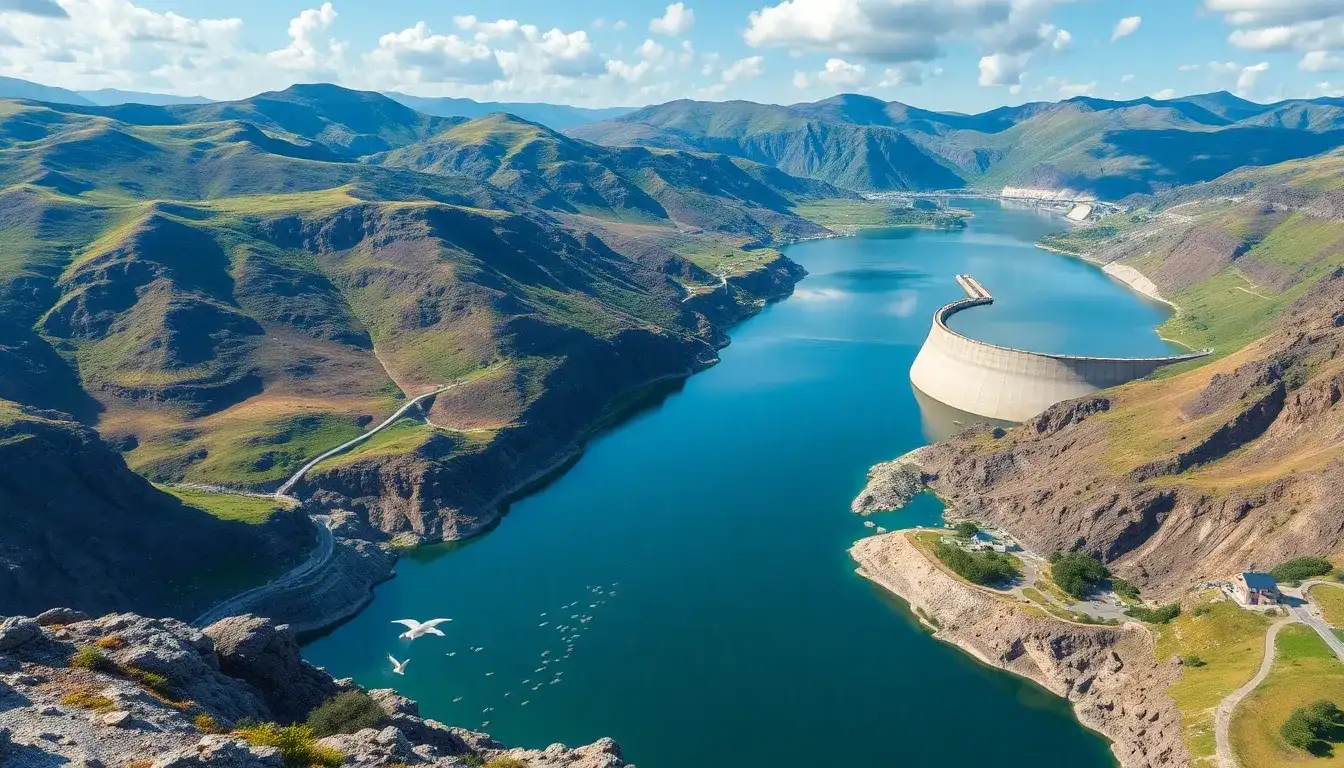
Pumped hydro energy storage (PHES), like other hydropower systems, poses several environmental concerns. Here are some of the main environmental issues associated with PHES:
Environmental Concerns
- Alteration of Ecosystems: The construction of dams and reservoirs for PHES can significantly alter natural ecosystems. This includes altering natural river flows, which can disrupt habitats and impact aquatic life.
- Water Sourcing and Rights: Closed-loop PHES, which is not connected to a naturally flowing water body, can face challenges related to water sourcing. This may lead to disputes over water rights and impacts on aquatic resources.
- Flooding Risks: There is a risk of major flooding during the construction phase or in the long term if the dam fails or is not properly maintained.
- Material Usage: The construction phase involves significant use of materials like concrete, steel, and cement, contributing to environmental impacts such as resource depletion and pollution.
- Greenhouse Gas Emissions: While PHES has lower life-cycle greenhouse gas emissions compared to many other energy storage technologies, there are still emissions associated with the construction process and operational inefficiencies.
- Land Use and Displacement: PHES projects often require large land areas, potentially leading to displacement of communities and wildlife habitats.
Despite these challenges, PHES remains a crucial component in the transition to renewable energy due to its efficiency and capacity to stabilize power grids when combined with intermittent renewable sources.
Original article by NenPower, If reposted, please credit the source: https://nenpower.com/blog/what-are-the-main-environmental-concerns-for-pumped-hydro-energy-storage/

