

Environmental Concerns of Large Reservoirs
- Land Displacement and Ecosystem Disruption:
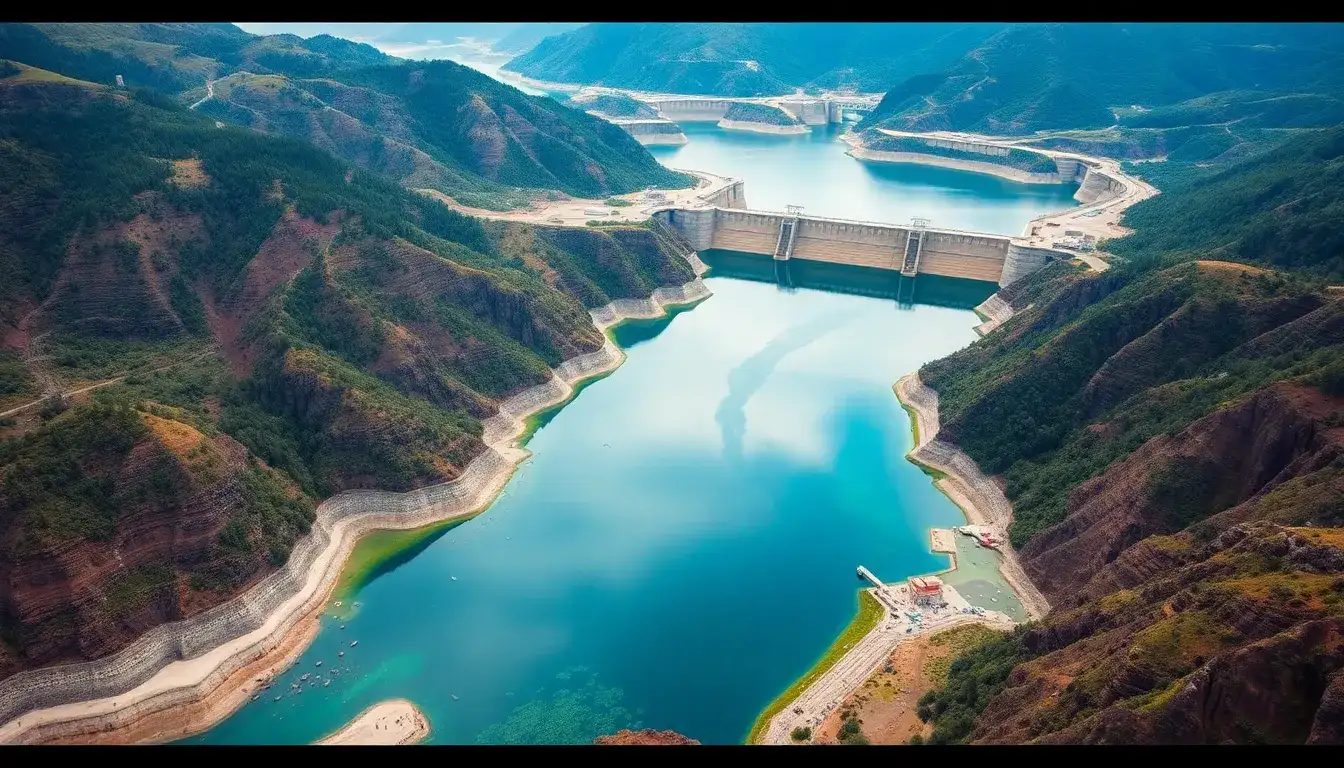
- Flooding and Habitat Destruction: The creation of large reservoirs leads to the flooding of land, resulting in the destruction of forests, wildlife habitats, agricultural areas, and scenic lands.
- Disruption of Ecosystems: The altered water flow and temperature can disrupt the natural river ecosystem, affecting local biodiversity.
- Water Quality and Chemistry Changes:
- Altered Water Characteristics: Dams can change water temperatures, chemistry, and silt loads, impacting aquatic life and ecosystems.
- Pollution: Reservoirs can accumulate pollutants and sediments, potentially affecting downstream water quality.
- Fish Migration and Aquatic Life Impacts:
- Blocked Migration Routes: Large dams can block fish migration routes, severely impacting fish populations like salmon.
- Changes in Water Flow: Altered flow patterns can disrupt the natural habitats of aquatic species.
- Greenhouse Gas Emissions and Climate Impacts:
- Methane Emissions: Decomposing organic matter in reservoirs can release methane, a potent greenhouse gas.
- Climate Change Vulnerability: Dams are vulnerable to climate change impacts such as droughts and altered rainfall patterns, potentially reducing hydroelectric power output.
- Social and Landscape Impacts:
- Landscape Destruction: Building large dams often requires significant amounts of materials like concrete, leading to habitat destruction during quarrying processes.
- Social Impacts: Large dams can displace communities and have significant social impacts, especially when they flood inhabited areas.
These environmental concerns highlight the need for careful planning, site selection, and management to mitigate the impacts of pumped hydroelectric systems.
Original article by NenPower, If reposted, please credit the source: https://nenpower.com/blog/what-are-the-main-environmental-concerns-associated-with-large-reservoirs-in-pumped-hydroelectric-systems/

