

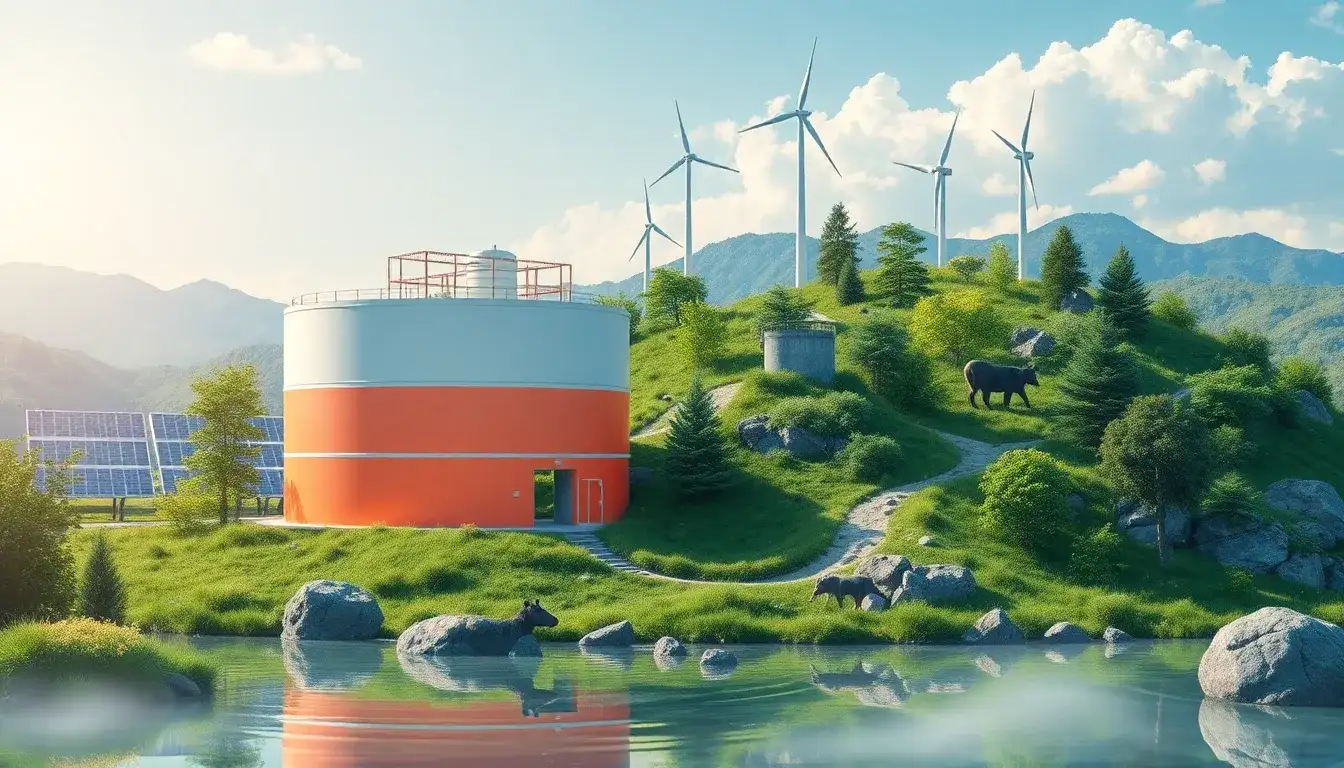
Main Environmental Benefits of Thermal Energy Storage Systems
1. Reduces Energy Consumption and Saves Energy at the Source
TES stores energy (commonly cooling energy) during periods of low electricity demand (off-peak hours) when power plants operate more efficiently. Utilizing stored thermal energy during peak demand reduces overall energy consumption at the source because power plants run more efficiently and use less fuel during off-peak times compared to peak times. This shift lowers the total fuel burned and thus reduces environmental impact.
2. Enables Greater Integration of Renewable Energy
Thermal energy storage facilitates the use of variable renewable energy such as wind and solar by storing energy when it is abundantly available (for example, overnight wind power or midday solar energy) and using it when demand peaks. This makes renewable energy more viable and cost-effective, helping to reduce reliance on fossil fuels and lowering greenhouse gas emissions.
3. Reduces Greenhouse Gas Emissions and Air Pollution
By shifting peak electricity demand to off-peak periods, TES decreases the need to activate older, less efficient, and more polluting fossil fuel peaking power plants that operate only during peak hours. These plants typically have higher emissions per unit of electricity generated. Thermal storage reduces the operation of these plants, thus cutting greenhouse gas emissions and improving air quality.
4. Delays or Eliminates the Need for Additional Power Plants and Grid Infrastructure
By managing peak demand more effectively, TES reduces stress on the electrical grid and the need for investment in new generation capacity and transmission infrastructure, which often involves environmentally disruptive construction and resource use.
5. Lowers Life Cycle Environmental Footprint
Studies have shown that TES can reduce life cycle greenhouse gas emissions by up to 7% compared to systems without storage and significantly lower emissions compared to natural gas backup systems. TES also has comparable or lower water and land use impacts over its life cycle.
6. Improves Energy System Efficiency and Reduces Costs
Thermal energy storage increases overall energy efficiency by using energy when it is cheaper and cleaner (due to higher renewable penetration), lowering operational costs and carbon emissions in tandem.
Summary Table of Environmental Benefits
| Environmental Benefit | Description |
|---|---|
| Energy Savings at Source | Uses energy when power plants are more efficient, reducing total energy use |
| Facilitates Renewable Energy Integration | Stores renewable energy to use when variable supply is low, increasing renewable energy utilization |
| Reduces Greenhouse Gas Emissions | Decreases need for fossil fuel peaking plants, cutting emissions |
| Defers New Power Plants and Infrastructure | Manages peak demand to avoid or delay costly and resource-heavy grid expansions |
| Lowers Life Cycle Environmental Footprint | Reduces emissions, water use, and land use over the TES system’s life cycle |
| Increases System Efficiency and Reduces Costs | Uses energy when cheapest and cleanest, improving overall sustainability |
In essence, thermal energy storage systems contribute significantly to a cleaner, more sustainable energy system by smoothing demand, enabling renewables, and cutting emissions from fossil fuel power plants.
Original article by NenPower, If reposted, please credit the source: https://nenpower.com/blog/what-are-the-main-environmental-benefits-of-using-thermal-energy-storage-systems/

