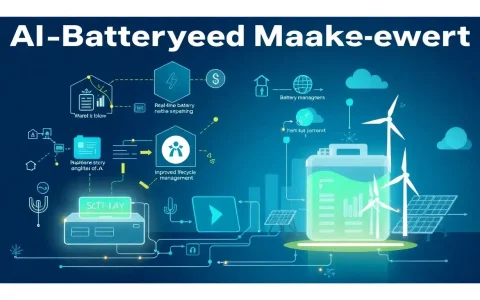
1. THE MAIN ENERGY STORAGE METHODS INCLUDE: 1) BATTERY STORAGE, 2) THERMAL ENERGY STORAGE, 3) MECHANICAL ENERGY STORAGE, 4) HYDROGEN STORAGE. Each of these methods plays a critical role in managing energy supply and demand. Battery storage is widely used for its efficiency and reliability, capable of storing energy for short periods. This allows for surplus energy to be captured during low-demand periods and released during high-demand times. Thermal energy storage involves capturing heat energy for later use, which can be crucial in renewable energy applications, especially in solar heating systems. Mechanical energy storage encompasses systems like pumped hydro storage or flywheels that physically store energy in a mechanical form, suitable for large-scale operations. Hydrogen storage presents a novel approach, as it can store excess energy through electrolysis, converting it to hydrogen fuel, which can later be used fuel cells or combustion.
1. BATTERY STORAGE
Battery storage technology is pivotal in modern energy management. Lithium-ion batteries, the most common type in use today, have gained popularity due to their exceptional energy density and efficiency. This makes them ideal for everything from small-scale applications, like portable electronics, to large installations such as grid storage. The basic operating principle involves the electrochemical process, where energy is stored during charging and released during discharging. As demand for renewable energy surges, these batteries act as particularly effective buffers, allowing for the smooth integration of intermittent resources like wind and solar.
The versatility of battery systems extends beyond just size and application. Beyond lithium-ion batteries, there exists a diverse array of technologies such as lead-acid, sodium-sulfur, and flow batteries. Each comes with unique advantages, such as longer life cycles for flow batteries and better performance at extreme temperatures for sodium-sulfur batteries. Rapid advancements in technology have also led to significant reductions in costs, elevating the feasibility of large-scale battery storage projects. This evolution creates a more resilient energy grid while supporting efforts towards a sustainable future.
2. THERMAL ENERGY STORAGE
Thermal energy storage represents an innovative solution by capturing heat that can be utilized later. This concept is particularly effective in contexts where renewable energy sources, such as solar power, are harnessed. There are primarily two methods of thermal storage: sensible heat storage and latent heat storage. Sensible heat storage involves heating a solid or liquid medium, like water or molten salt, and using it to store thermal energy. In contrast, latent heat storage involves phase change materials that absorb or release thermal energy when transitioning between solid and liquid states.
The applications of thermal energy storage can be seen in concentrated solar power plants, where heat is stored and used to produce steam for electricity generation even after the sun sets. One of the key advantages of thermal energy storage is its ability to provide energy during peak demand periods. This capability aids in alleviating stress on electricity grids while reducing reliance on less eco-friendly peaking power plants. Furthermore, by decoupling energy generation from consumption, thermal storage systems contribute significantly to grid stability.
3. MECHANICAL ENERGY STORAGE
Mechanical energy storage systems include various methods that convert energy into mechanical forms. The most well-known method is pumped hydro storage, which involves pumping water to a higher elevation during periods of low demand and releasing it back down to generate electricity during periods of high demand. This approach accounts for the majority of energy storage capacity worldwide and has established programs in many countries, providing an economical solution for large-scale energy storage.
In addition to pumped hydro, other mechanical storage solutions include flywheel energy storage and compressed air energy storage (CAES). Flywheel systems store energy in a rotating mass, where electrical energy is converted to kinetic energy. This method allows for rapid response times, making it highly effective for grid stability and frequency regulation. Compressed air energy storage, on the other hand, compresses air in underground caverns during periods of low demand and re-expands it to drive turbines during high demand, combining fossil fuel systems with a clean energy strategy.
4. HYDROGEN STORAGE
Hydrogen storage is emerging as a promising energy storage solution, particularly in conjunction with renewable energy sources. This method involves utilizing surplus electricity to produce hydrogen through an electrolysis process, which can later be stored and converted back to electricity using fuel cells, or utilized directly as a fuel. The versatility of hydrogen makes it suitable across various sectors, ranging from transportation to industrial processes.
One of the compelling aspects of hydrogen storage is its potential for seasonal energy storage. Unlike batteries, which typically store energy for shorter durations, hydrogen can be stored for an extended period, thus bridging gaps between generation and consumption. Additionally, hydrogen can be blended with natural gas in existing infrastructure or used in dedicated hydrogen fuel systems, thereby complementing existing energy frameworks. Although there are challenges, such as storage volume and transportation issues, extensive research and development continue to push the boundaries of this technology, marking it as a significant player in future energy strategies.
FAQs
WHAT ARE THE ADVANTAGES OF BATTERY STORAGE SYSTEMS?
Battery storage systems provide remarkable flexibility and responsiveness to energy demands. They can store excess energy generated by renewable sources during off-peak hours and release it when demand surges. This feature aids in maintaining a steady supply of electricity, minimizing the frequency of outages, and promoting energy independence. The implementation of battery systems can support grid stability, lower energy costs for consumers, and facilitate the transition to a sustainable and resilient energy future. Furthermore, advancements in battery technology continue to improve their efficiency, life expectancy, and environmental friendliness. With ongoing research into various battery chemistries, consumers can expect reductions in cost and enhancements in functionalities, making battery storage an increasingly viable solution in energy management.
HOW DOES THERMAL ENERGY STORAGE WORK IN SOLAR ENERGY SYSTEMS?
Thermal energy storage in solar energy systems harnesses the heat collected from sunlight and stores it for later use. This process usually involves two fundamental methods: sensible heat storage and latent heat storage. In the first method, the heat is stored in materials such as water or molten salts, which can be heated and insulated to retain energy. In the second method, phase change materials are used, allowing the material to absorb heat and store it in the form of latent energy as it changes state from solid to liquid. During periods of high electricity demand, this stored thermal energy can be converted back into electricity or used directly for heating applications, demonstrating its capacity for optimizing energy supply. This ability to decouple energy collection from consumption enhances the overall efficiency of solar energy utilization, improves grid reliability, and supports the move toward renewable energy resources.
WHAT ARE THE CHALLENGES ASSOCIATED WITH HYDROGEN STORAGE?
Hydrogen storage plays a transformative role in the energy landscape, but several hurdles exist that must be navigated for successful implementation. One major challenge is the storage density of hydrogen, which is lower than that of liquid fuels, requiring either high pressures or cryogenic temperatures to store significant quantities. This aspect complicates infrastructure planning and significantly impacts costs. Additionally, there are difficulties related to the safe transportation and handling of hydrogen due to its flammability and tendency to permeate metals, which can lead to structural integrity issues. Furthermore, while hydrogen holds substantial potential, the energy conversion efficiencies in hydrogen production and usage – particularly during electrolysis, storage, and fuel cell conversion – are often less favorable than alternative methods. Thus, addressing these challenges through innovative engineering, regulatory support, and market frameworks will be pivotal in establishing hydrogen as a vital component in the future energy ecosystem.
The continued evolution of these energy storage methods underscores the necessity of integrating various technologies to create a sustainable future. Given the growing demand for reliable and efficient energy solutions, the importance of energy storage cannot be overstated. As we venture into an era focused on tackling climate change and enhancing energy resilience, understanding different storage options plays a vital role in shaping our energy strategies. Continued research and investments in innovative storage technologies will be essential in overcoming existing challenges and achieving long-term sustainability. Through technological advancements, regulatory frameworks, and public-private partnerships, energy storage systems will become increasingly indispensable in ensuring that electricity is available whenever and wherever it is needed. As we continue to explore the possibilities of energy storage, it is evident that a multi-faceted approach incorporating various methods is not just advantageous but essential for a sustainable energy future.
Original article by NenPower, If reposted, please credit the source: https://nenpower.com/blog/what-are-the-main-energy-storage-methods/