

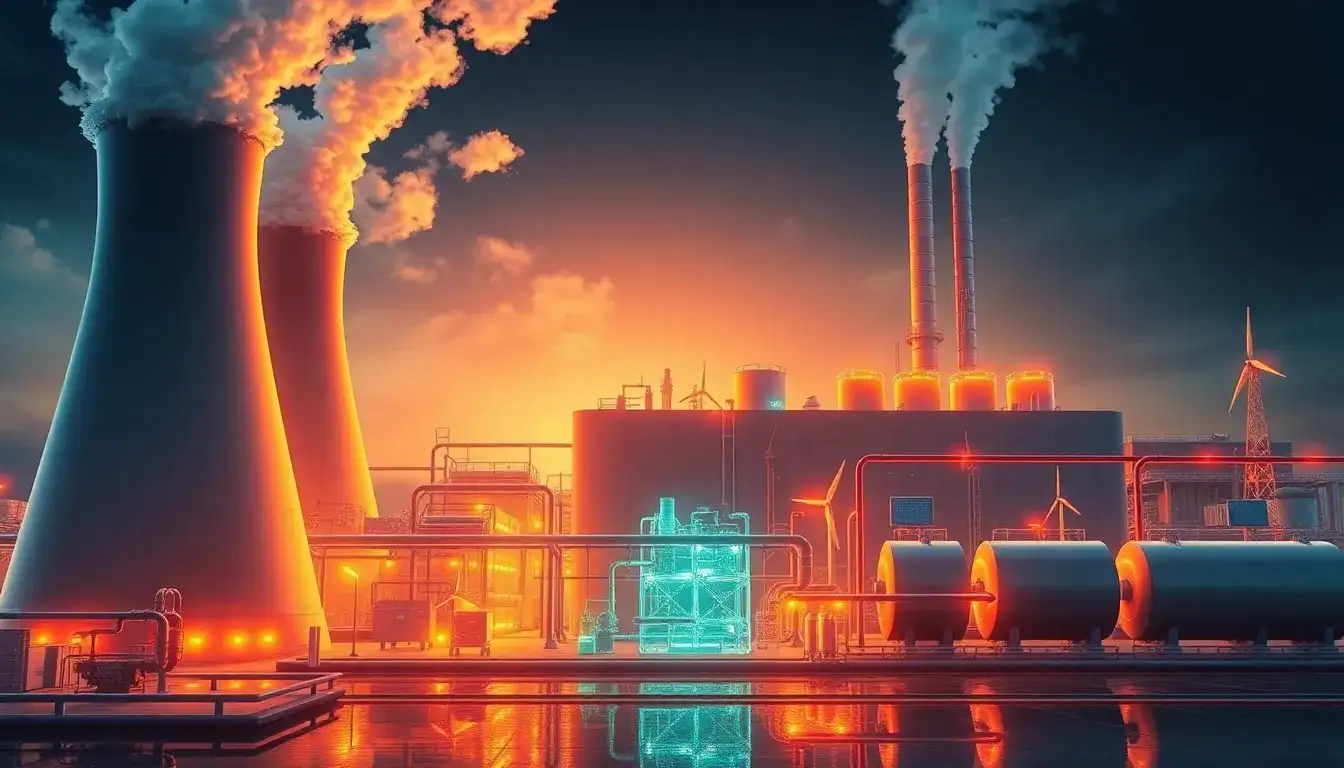
The main energy consumption challenges in the Liquid Air Energy Storage (LAES) charging process are primarily related to the high energy demand required for cooling and liquefying air. Here are the key challenges:
- Energy Intensity of Liquefaction: The LAES process consumes a significant amount of electricity to cool and liquefy the air. This step is highly energy-intensive, as it requires cooling air down to extremely low temperatures (typically around -196°C) to achieve liquefaction.
- Efficiency and Reuse of Cold Energy: While some LAES systems are designed to work adiabatically and reuse stored cold energy to reduce the energy consumption during charging, the overall efficiency of the system remains a challenge. Reusing cold energy can help improve efficiency but may also add complexity to the system design.
- Need for Continuous Power Supply: The charging process requires a consistent power supply, which can strain the grid, especially if the power is not sourced from renewable or low-cost sources.
- Energy Losses During Storage: While not directly part of the charging process, energy losses during storage can indirectly impact the overall efficiency and energy consumption of the system. Maintaining the liquid air at very low temperatures and atmospheric pressure in highly insulated tanks is crucial to minimize these losses.
Addressing these challenges requires optimizing the LAES design, leveraging waste heat or cold from adjacent processes if available, and ensuring that the input power is cost-effective and renewable when possible.
Original article by NenPower, If reposted, please credit the source: https://nenpower.com/blog/what-are-the-main-energy-consumption-challenges-in-the-laes-charging-process/

