

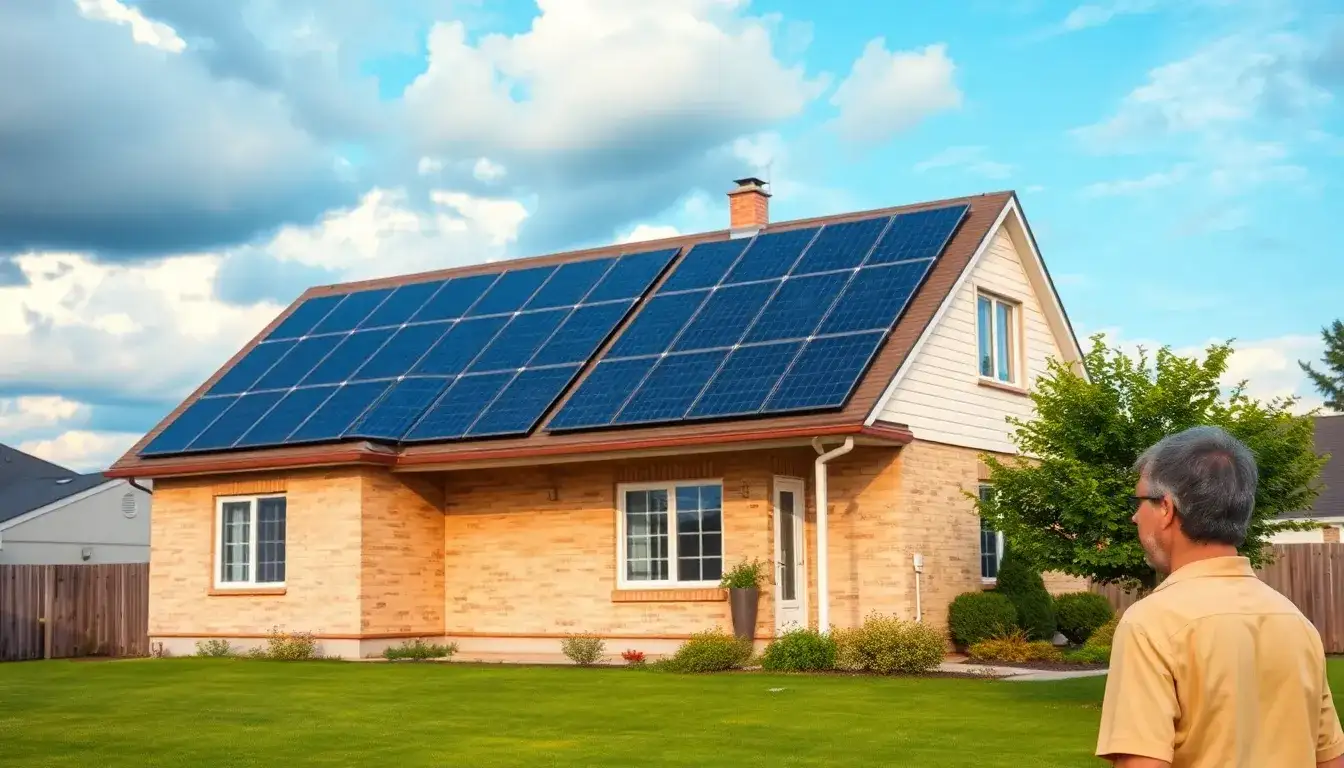
The main disadvantages of using flexible solar panels for residential use include the following:
1. Lower Efficiency
Flexible solar panels generally have significantly lower electrical generation efficiency compared to traditional rigid panels. Their thin, flexible design incorporates less conductive material and often uses less efficient thin-film semiconductor materials, resulting in efficiency rates typically between 10% and 17%, whereas rigid crystalline panels range from 16% to 23%. This means flexible panels require a larger surface area to generate the same power output, making them less suitable for typical home energy needs.
2. Reduced Durability and Shorter Lifespan
Flexible panels are less durable due to their thin, flexible construction without the robust protective glass and aluminum framing found in rigid panels. They are more susceptible to physical damage such as scratches, bending, and cracking, which degrade performance. Their expected lifespan is shorter—often around 5 to 15 years compared to 25 years or more for rigid panels. This shorter lifespan can lead to more frequent replacements, increasing long-term costs.
3. Higher Cost per Watt and Long-Term Expense
Flexible solar panels often cost more per watt than rigid panels because of the advanced technology required to manufacture them. In addition, due to their shorter lifespan and lower efficiency, the effective cost over time may be higher because you may need to purchase replacements sooner or install more panels to meet energy demands.
4. Heat Buildup and Decreased Performance
Since flexible panels are mounted flat against surfaces without the air gap used in rigid panel installations, they tend to accumulate heat more quickly. Elevated temperatures reduce their power output, potentially by 10-25%, and can also accelerate material degradation, further shortening their lifespan.
5. Less Secure Mounting and Risk of Damage
Flexible panels are typically installed using adhesives rather than mounting brackets and screws. This can make them more vulnerable to strong winds or physical disturbances, risking detachment or damage. Their lightweight nature means they require careful and secure installation.
Summary Table
| Disadvantage | Explanation |
|---|---|
| Lower Efficiency | Less conductive material and less efficient semiconductors result in lower power output |
| Reduced Durability/Lifespan | Thinner, flexible materials prone to scratches, cracks; lifespan 5-15 years vs. 25+ years |
| Higher Cost per Watt | Advanced tech and shorter life increase initial and total costs |
| Heat Buildup | No air gap leads to overheating, reducing output and panel longevity |
| Less Secure Mounting | Adhesive mounting less robust; risk of detachment or damage in high winds |
In conclusion, while flexible solar panels offer advantages in portability and ease of installation on curved or irregular surfaces, their lower efficiency, shorter lifespan, higher cost per watt, heat sensitivity, and less secure mounting make them generally inappropriate for primary residential solar installations where reliability and long-term performance are critical.
Original article by NenPower, If reposted, please credit the source: https://nenpower.com/blog/what-are-the-main-disadvantages-of-using-flexible-solar-panels-for-residential-use/

