

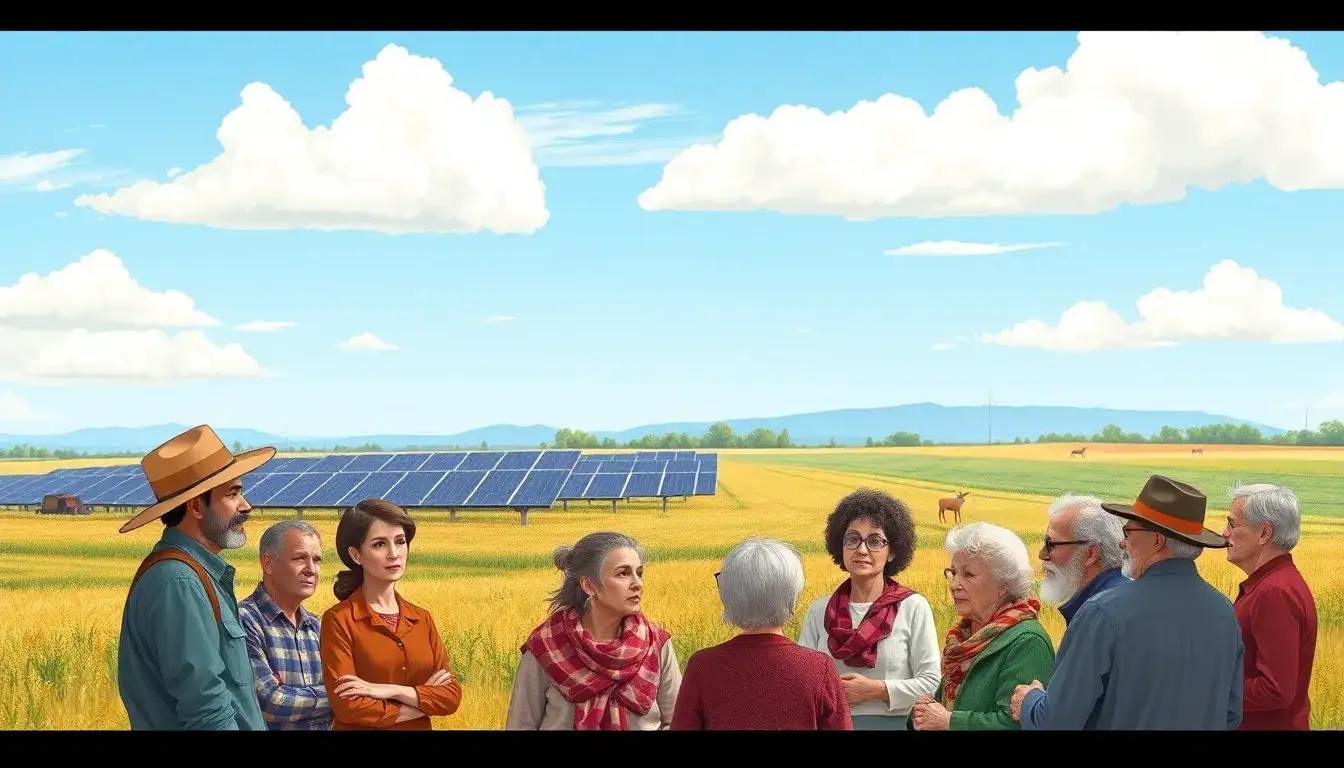
Rural residents have several main concerns regarding solar farms, reflecting a mix of environmental, economic, cultural, and land use issues.
Key Concerns of Rural Residents About Solar Farms
- Impact on Landscape and Character of Place
A predominant concern is that utility-scale solar projects can harm the visual landscape, altering the rural character and scenic views that residents value. Many rural people dislike change in their environment, especially the transformation of open farmland or natural areas into industrial solar panels. This objection is deeply connected to local identity and the aesthetic value of farmland, which some describe as “paradise” that they do not want paved over. - Land Use Changes and Agricultural Impact
Solar farms often replace agricultural land with industrial infrastructure. This shift from farming to energy production generates unease, as it changes how land is used and may reduce the area available for food production or traditional farming activities. Clearing and grading land for solar panels can cause soil compaction, disrupt drainage patterns, increase erosion and runoff, and encourage invasive species if not properly managed. There are concerns about the long-term ability to restore land to agricultural use after solar projects end. - Economic Trade-offs and Landowner Decisions
While solar leases can provide farmers with new income streams, this economic benefit is a double-edged sword. Higher land rental rates can increase competition for land, potentially driving up costs. There is debate about balancing landowners’ economic opportunities with preserving productive farmland and rural landscapes. Some residents feel compelled to accept solar development due to financial pressures, even if they would prefer to maintain traditional farming. - Opposition Linked to Local Energy Histories and Cultural Identity
In some regions, such as former coal-dependent areas, opposition to solar projects is tied to a resistance to moving away from familiar energy economies. This cultural legacy can make renewable development less welcomed, especially if it’s perceived as conflicting with local economic heritage. However, some also see solar as an opportunity to revitalize local economies in environmentally healthier ways. - Misinformation and Polarized Public Debate
In some places, vocal opposition to solar farms may be amplified by misinformation or repeat commenters, sometimes linked to fossil fuel interests. While opposition is often portrayed as widespread, surveys and public comment analyses show that many rural residents support solar projects for the jobs and public revenue they can provide. This divide creates tension and sometimes distorts the community’s true sentiment.
These concerns highlight the complexity of solar farm acceptance in rural areas. Communities weigh the benefits of clean energy and economic diversification against changes to rural landscapes, farming traditions, and local culture. Some experts and policymakers advocate for solar installations that are smaller, better integrated with the landscape, and designed to minimize disruption to agricultural land to increase local acceptance.
In summary, rural residents’ main concerns about solar farms center on preserving the visual and cultural landscape, protecting farmland and soil health, managing economic pressures on land use, and navigating polarized local debates influenced by historical and economic factors.
Original article by NenPower, If reposted, please credit the source: https://nenpower.com/blog/what-are-the-main-concerns-of-rural-residents-regarding-solar-farms/

