

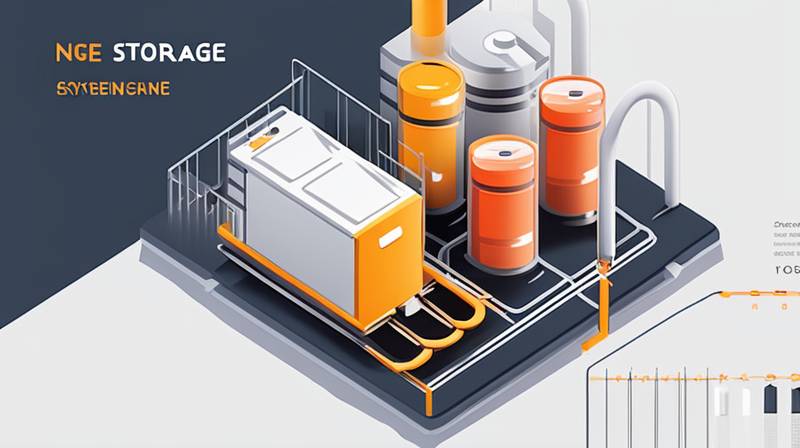
What are the main components of an industrial energy storage system?
1. The principal components of an industrial energy storage system are: robust energy storage technologies, sophisticated power management systems, renewable energy integration, and comprehensive safety mechanisms.
2. Energy storage technologies can include battery storage, mechanical storage, and thermal storage, each contributing uniquely to energy efficiency and distribution.
3. Power management systems play a crucial role in optimizing energy usage, ensuring minimal wastage, and maintaining operational efficiency.
4. The seamless integration of renewable energy sources supports sustainability goals, reducing reliance on fossil fuels and lowering carbon footprints.
5. Safety mechanisms ensure the reliable operation of the energy storage system, prioritizing the protection of personnel and equipment.
1. ENERGY STORAGE TECHNOLOGIES
Energy storage systems comprise various technologies, each with unique characteristics and applications. Battery storage, for instance, is one of the most common methods employed in industrial settings. Lithium-ion, lead-acid, and flow batteries stand out for their efficiency and ability to store substantial amounts of energy. Lithium-ion batteries, in particular, have gained prominence due to their high energy density, longevity, and decreasing costs, making them ideal for operations that require rapid response times and scalability. Lead-acid batteries are also traditional choices, known for their affordability, although they may lack the efficiency and lifespan of lithium-ion alternatives. Flow batteries, on the other hand, are emerging as an exciting solution for large-scale applications due to their scalability, long cycle lives, and the ability to separate energy storage from the power conversion components.
Aside from battery-based systems, mechanical storage methods such as pumped hydro storage and flywheels are vital in energy management strategies. Pumped hydro storage utilizes gravitational potential energy, transferring water between two reservoirs at different elevations. This method is particularly effective for large-scale energy storage and plays a crucial role in stabilizing the grid, especially during peak demand. Flywheel energy storage systems harness kinetic energy, storing energy by accelerating a rotor in a low-friction environment. These systems enable rapid charging and discharging, making them suitable for applications requiring short bursts of power, such as stabilizing energy inputs from renewable sources, providing frequency regulation, and enhancing grid resilience against outages.
2. POWER MANAGEMENT SYSTEMS
The sophistication of an industrial energy storage system heavily relies on advanced power management systems (PMS). These systems monitor, control, and optimize the performance of energy storage and generation components, ensuring operational efficiency and reducing energy costs. A robust PMS integrates software tools and hardware components, facilitating real-time data collection and analytics. Through advanced algorithms, the PMS can predict energy demand, manage peak load shaving, and enable demand response strategies.
The leverage of artificial intelligence (AI) within power management is becoming increasingly common. AI-driven systems analyze historical data and current operational metrics to optimize energy dispatch, reducing reliance on grid electricity during peak pricing. Additionally, such systems enhance the operational lifespan of storage components through predictive maintenance strategies, allowing for timely troubleshooting before potential failures. The seamless interaction between PMS and energy storage systems ensures energy flow is continuously adjusted to meet varying demand and supply scenarios, ultimately contributing to lower operational costs and maximizing efficiency.
3. RENEWABLE ENERGY INTEGRATION
Central to modern energy strategies is the integration of renewable energy sources into industrial energy storage systems. The shift towards sustainability has necessitated the adoption of systems capable of harnessing energy from solar, wind, and hydropower. A well-implemented energy storage system facilitates the capture and storage of excess energy generated during periods of low demand, enabling it to be discharged when production falls short or demand peaks. This characteristic is especially vital for intermittent sources like solar and wind, whose energy outputs fluctuate with environmental conditions.
Moreover, employing energy storage systems in tandem with renewable sources fosters grid independence. Industries can establish microgrids, which allow for localized energy generation and storage, mitigating risks associated with centralized grid failures. Integrating these systems bolsters the reliability and resilience of industrial operations, enhancing their competitive edge while aligning with broader sustainability goals. The cumulative benefits include reduced greenhouse gas emissions, decreased reliance on traditional fossil fuel sources, and the societal advantage of promoting cleaner energy alternatives.
4. SAFETY MECHANISMS
The success of an industrial energy storage system hinges not only on its operational efficiency but also on the safety mechanisms intrinsic to its design. Given the inherent risks associated with energy storage — particularly with battery technologies that may pose fire or explosion hazards — rigorous safety protocols are essential. This encompasses the implementation of fire suppression systems, which are designed to minimize damage in the event of a thermal runaway in lithium-ion batteries or other combustible materials.
Regular safety audits and maintenance schedules are critical for identifying vulnerabilities within the system. Additionally, integrating safety features such as thermal management and pressure relief valves enhances the operational integrity of energy storage units. Moreover, comprehensive training programs for personnel involved in handling or maintaining energy storage equipment are indispensable, ensuring that all team members adhere to safety best practices, which minimizes the risk of accidents and enhances overall workplace safety.
FREQUENTLY ASKED QUESTIONS
WHAT ARE THE BENEFITS OF INDUSTRIAL ENERGY STORAGE SYSTEMS?
The adoption of industrial energy storage systems confers several benefits to organizations across various sectors. Firstly, these systems significantly reduce energy costs by enabling companies to store energy during off-peak hours when prices are lower and utilize that stored energy during peak demand periods when prices surge. This not only leads to monetary savings but also enhances overall resource management.
Secondly, the ability to utilize renewable energy sources through storage systems supports sustainability initiatives. By capturing excess energy generated from renewable resources, businesses can minimize their reliance on fossil fuels and contribute to reducing greenhouse gas emissions. Furthermore, these energy systems provide a buffer against grid instability, allowing industries to maintain operations despite fluctuations in energy supply.
Finally, there is an important aspect of energy resilience. By integrating energy storage systems, industries are better equipped to handle outages, ensuring critical processes can continue uninterrupted. Overall, the comprehensive benefits of industrial energy storage systems significantly enhance operational efficiency and sustainability while reducing long-term energy costs.
HOW DOES RENEWABLE ENERGY INTEGRATION IMPACT INDUSTRIAL OPERATIONS?
Integrating renewable energy sources within industrial operations transforms the landscape of energy consumption and production. By harnessing solar, wind, or other renewable resources, industries can significantly reduce their reliance on conventional grid-based energy, which often comes from fossil fuels. This shift not only leads to lower operational costs but also aligns with global sustainability goals, improving corporate social responsibility.
Moreover, renewable energy integration enables businesses to take advantage of government incentives and grants aimed at promoting cleaner energy practices. Industries that capitalize on these opportunities often find themselves at a competitive advantage, as they demonstrate commitment to reducing their environmental footprint. Furthermore, improving energy autonomy through renewables decreases vulnerability to market fluctuations in energy pricing, creating a more stable financial environment.
Lastly, the operational flexibility gained from renewable energy integration is transformative. This adaptability allows industries to optimize production schedules according to energy availability, particularly during favorable weather conditions for solar or wind energy generation. Whether through direct consumption or stored energy, businesses can craft energy-efficient strategies that are both economically viable and environmentally conscious.
WHAT ROLE DOES POWER MANAGEMENT PLAY IN ENERGY STORAGE SYSTEMS?
Power management systems play a pivotal role in ensuring the efficiency and effectiveness of industrial energy storage solutions. They serve as the brain of the energy storage system, orchestrating various components to maximize operational efficiency. By analyzing real-time data relating to energy consumption and generation, power management systems facilitate intelligent decision-making regarding energy dispatch and storage, particularly during periods of high demand.
Additionally, these systems enhance the capability to engage in demand response programs, whereby businesses can reduce their energy usage during peak periods in exchange for financial incentives from utility providers. As power management systems integrate with renewable sources, they enable facilities to make informed decisions about energy usage, including when to draw from the grid versus utilizing stored energy. These capabilities are essential for maintaining functionality and optimizing overall energy lifecycle management.
Furthermore, the adoption of advanced technologies, including artificial intelligence and machine learning, within power management systems allows for continuous improvements in performance. By effectively learning from past behaviors and current conditions, these systems can evolve, providing more accurate forecasts and smarter energy management strategies. Thus, the influence of power management on the success of energy storage systems cannot be overstated.
EMBRACING THE FUTURE OF INDUSTRIAL ENERGY STORAGE
The domain of industrial energy storage systems encompasses intricate components that collectively contribute to operational efficiency and sustainability. Robust energy storage technologies offer diverse solutions tailored to the unique needs of various industries, while advanced power management systems ensure optimal utilization and distribution of energy. The successful integration of renewable energy sources marks a pivotal shift toward eco-conscious practices, reinforcing the commitment to sustainability and resilience in energy strategy. Furthermore, comprehensive safety mechanisms serve to protect personnel and equipment, fostering a secure operational environment for energy management.
As businesses increasingly prioritize energy independence and responsiveness, the exploration of novel energy storage solutions will remain imperative. Implementing energy storage systems will not merely represent a trend; instead, it will become a cornerstone of strategic planning for organizations navigating the complex energy landscape.
With continuous advancements in energy technologies and ongoing efforts to adapt to regulatory changes and market demands, industries must remain at the forefront of innovations. By prioritizing energy efficiency and sustainability, energy storage systems will play a critical role in reshaping industrial operations, ultimately establishing a more sustainable future.
Original article by NenPower, If reposted, please credit the source: https://nenpower.com/blog/what-are-the-main-components-of-an-industrial-energy-storage-system/

