

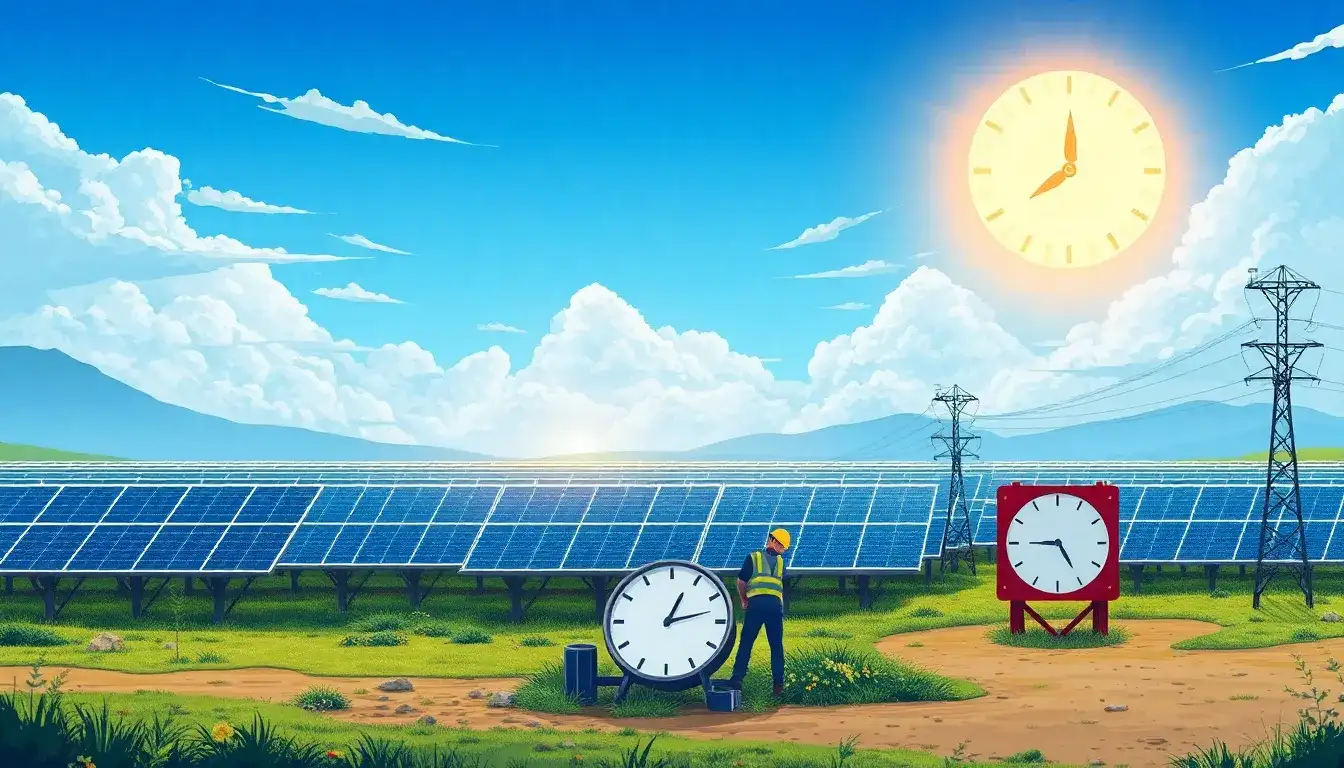
The payback period of solar panels can be extended or reduced based on several factors. Here are the main challenges that can extend the payback period:
Challenges Extending the Payback Period
- Initial System Costs:
- High Installation Costs: The total cost of solar panel installation is a significant factor affecting payback periods. Larger or complex systems cost more and take longer to pay off.
- System Size and Panel Type: Larger systems or more efficient panels may save more energy in the long run but increase upfront costs.
- Shading and Inefficiency:
- Poor Installation Conditions: Shading, poor roof orientation, or pitch can reduce energy production, thus extending the payback period.
- Maintenance and Replacement Costs:
- Inverter Replacement: Ongoing expenses like replacing inverters or repairing panels add to total costs, elongating payback periods.
- Energy Storage Limitations:
- Intermittent Power Generation: The need for additional energy storage solutions due to solar’s intermittent nature can increase overall system costs.
- Local Electricity Rates:
- Low Electricity Prices: In regions with low electricity costs, the savings from solar energy are less, leading to a longer payback period.
- Lack of Incentives:
- Fewer Rebates or Tax Credits: Absence of financial incentives like tax credits can increase the net cost of solar systems, extending payback times.
These challenges highlight the importance of evaluating local conditions, system costs, and available incentives when considering solar panel installations.
Original article by NenPower, If reposted, please credit the source: https://nenpower.com/blog/what-are-the-main-challenges-that-can-extend-the-payback-period-of-solar-panels/

