

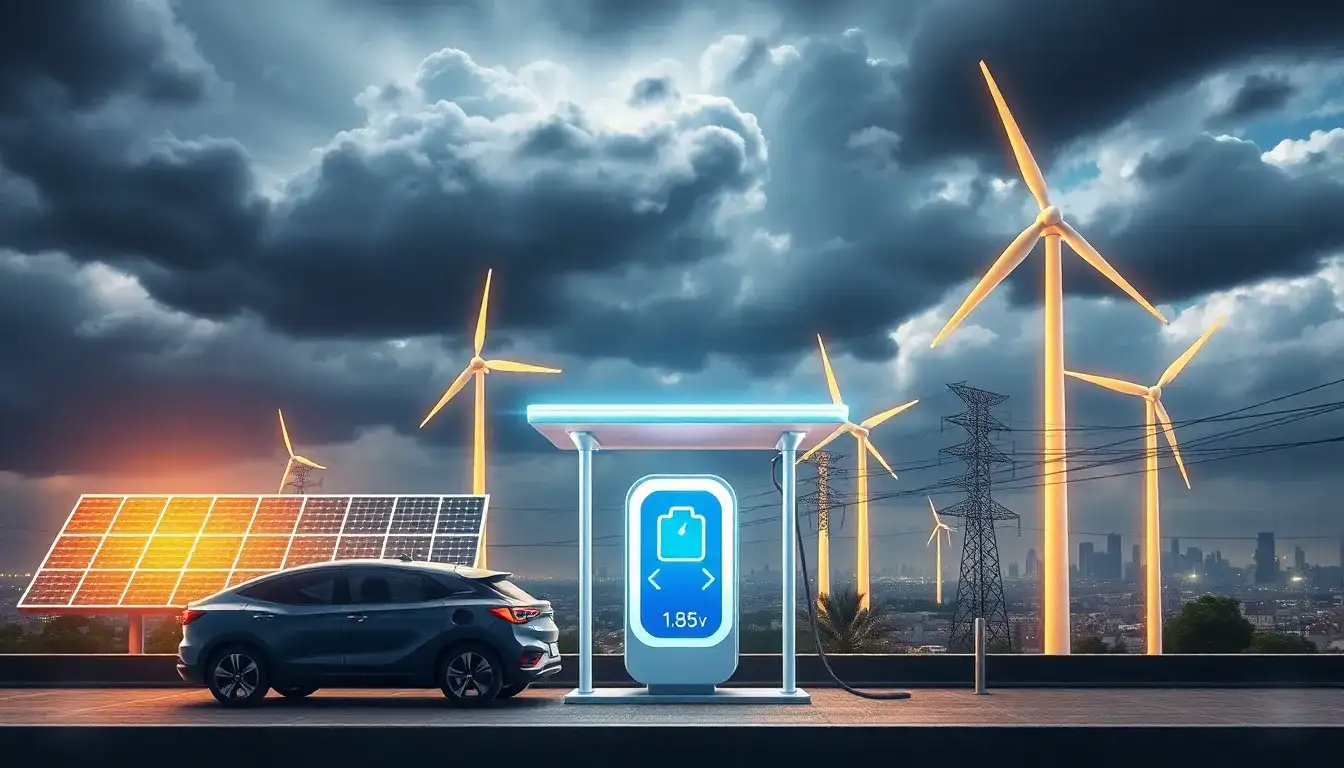
1. Intermittency of Renewable Energy Sources
Renewable energy sources such as solar and wind are inherently intermittent and variable, meaning their energy output fluctuates based on weather conditions and time of day. This intermittency complicates the consistent and reliable supply of electricity needed for EV charging, which often requires immediate and predictable power availability. Because of this variability, EV charging stations relying solely on renewables may face power shortages or need backup from the grid during low production periods.
2. Grid Stability and Load Management
The increasing demand for fast and high-power EV charging can strain existing power grids. Integrating renewables adds complexity in balancing grid load, as fluctuating renewable generation demands sophisticated energy management systems to avoid voltage deviations and load profile distortions. Ensuring grid stability while meeting high power demand at charging stations remains a significant technical challenge.
3. High Costs of Infrastructure Upgrades
To effectively integrate renewable energy with EV charging infrastructure, substantial investments are required in upgrading electrical infrastructure. This includes installation of local energy storage (e.g., batteries), advanced smart charging systems, and vehicle-to-grid (V2G) technologies to optimize energy flows. The initial capital cost for such infrastructure and technology deployment can be high, posing financial barriers to widespread adoption.
4. Technical Challenges in Charging Technology
Issues such as charger compatibility, lack of standardization, and insufficient fast-charging options can hinder seamless integration of renewables with EV stations. Slow chargers, which are common in many locations, may not align well with renewable energy availability patterns, reducing efficiency and user convenience. Additionally, real-time data and smart meters are needed to optimize which chargers receive renewable energy, requiring advanced technical solutions.
5. Energy Storage and Smart Energy Management Necessity
Since renewable energy generation does not always align with charging demand, local energy storage systems are crucial. Without sufficient storage, excess renewable energy may go unused, and insufficient energy during peak demand can increase reliance on grid power. Smart charging and energy management systems are necessary to balance supply and demand dynamically, but this technology is still evolving and adds complexity.
In summary, the main challenges of using renewable energy for EV charging stations are:
- Variability and intermittency of renewable energy sources.
- Maintaining grid stability under fluctuating loads.
- High costs and complexity of infrastructure upgrades.
- Technical issues including charging compatibility and fast-charging availability.
- The need for advanced energy storage and smart management systems to optimize the use of renewables.
Addressing these challenges involves deploying smart charging technologies, energy storage solutions, and grid upgrades to enable a sustainable and efficient renewable-powered EV charging ecosystem.
Original article by NenPower, If reposted, please credit the source: https://nenpower.com/blog/what-are-the-main-challenges-of-using-renewable-energy-for-ev-charging-stations/

