

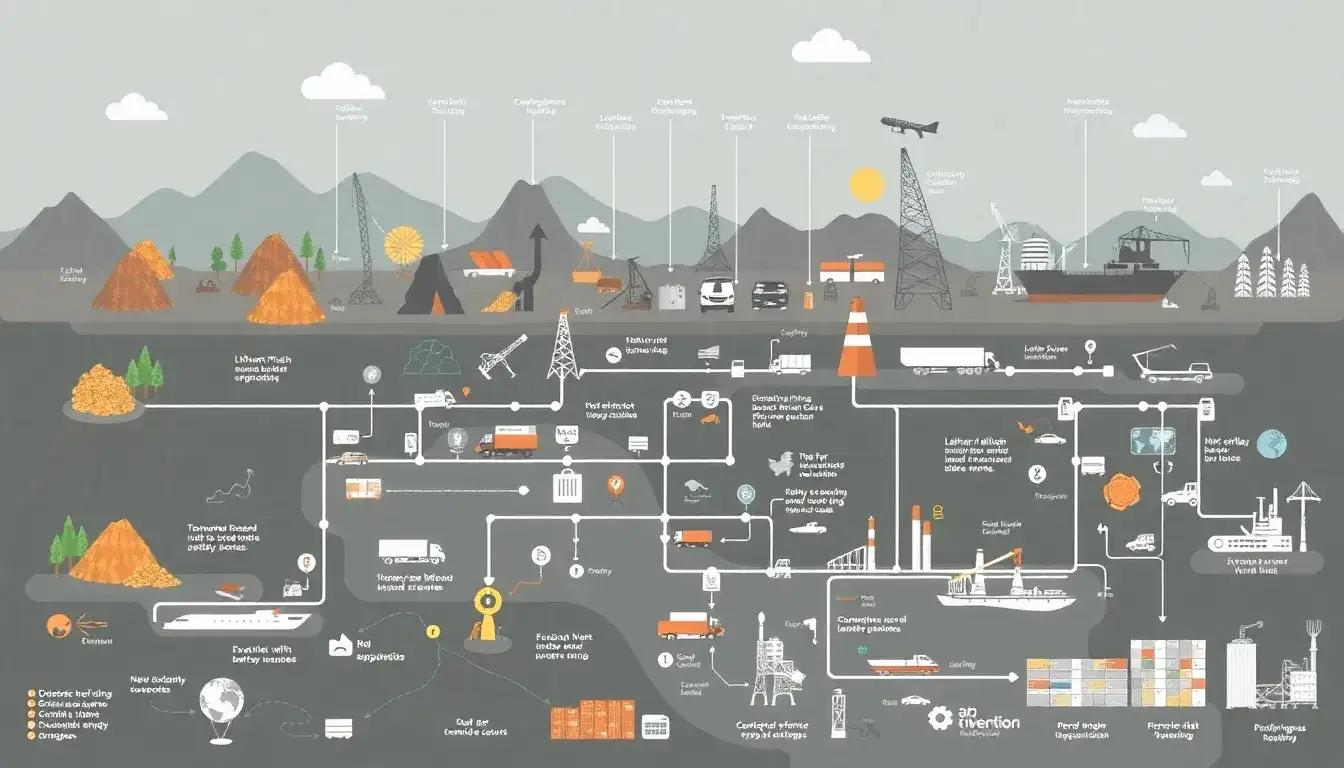
The lithium supply chain for battery energy storage faces several challenges, which can be categorized into resource availability, geopolitical risks, technological complexities, environmental concerns, and logistical issues. Here is a detailed breakdown of these challenges:
Resource Availability Challenges
- Supply Deficits: The demand for lithium is growing rapidly due to the expansion of electric vehicles and renewable energy storage. Experts predict a supply deficit by the 2030s, which will affect the ability to meet the increasing demand for lithium-ion batteries.
- Concentration of Reserves: Lithium production is highly concentrated in a few countries like Australia, Chile, China, and Argentina. This concentration makes the supply chain vulnerable to disruptions from political, environmental, or logistical issues in these regions.
Geopolitical Risks
- Trade Tensions: Trade relations between major lithium-producing and consuming countries can lead to supply chain disruptions. For example, tensions between China and the U.S. have resulted in tariffs and restrictions that impact lithium availability.
- Regulatory Policies: Changes in regulatory policies in major producing countries can significantly affect production and export capabilities, leading to supply shortages and price volatility.
Technological Complexities
- Extraction and Processing: The extraction and processing of lithium from both hard-rock deposits and brine sources are complex and require significant capital investment. Developing new mines and processing facilities takes several years, creating a lag between demand and supply.
- Technological Innovations: While advancements in extraction methods offer opportunities for improvement, they also present challenges in adopting and scaling these technologies.
Environmental Concerns
- Environmental Impact: Lithium extraction, especially from brine sources, requires large areas of land and can pose environmental risks such as water contamination and land degradation. These concerns are increasingly scrutinized by consumers and investors, affecting operational costs and reputational risks.
- Emissions and Waste: Battery production is energy-intensive and generates significant amounts of waste, contributing to pollution and carbon emissions.
Logistical Issues
- Transportation Challenges: The size and weight of industrial lithium-ion batteries make transportation expensive and challenging. Delays in raw material delivery and finished product shipment can occur due to inefficient logistics and weak infrastructure.
- Packaging and Safety Regulations: There are strict regulations for transporting lithium batteries to ensure safety. Balancing efficiency with safety is crucial in packaging and logistics, as mishandling can lead to accidents and significant business risks.
Addressing these challenges will require strategic investments in technology, infrastructure, and sustainability practices across the lithium supply chain. Innovations in battery technology, recycling methods, and a focus on circular economy practices can help mitigate some of these challenges.
Original article by NenPower, If reposted, please credit the source: https://nenpower.com/blog/what-are-the-main-challenges-in-the-lithium-supply-chain-for-battery-energy-storage/

