

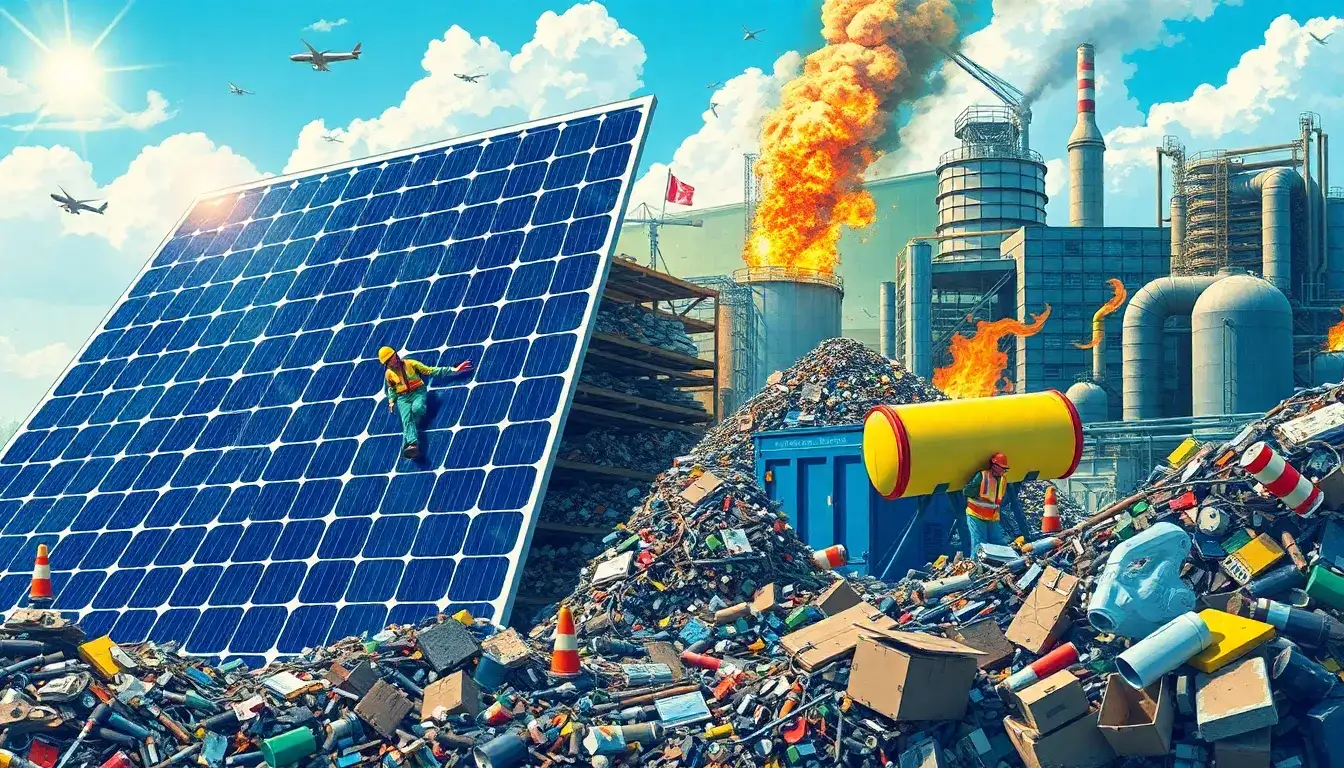
The main challenges in photovoltaic (PV) recycling in the United States include the following:
1. Low Recycling Rates and Infrastructure Deficiency
Only about 10% of decommissioned solar panels in the U.S. currently undergo proper recycling despite containing valuable recoverable materials like silver, silicon, and aluminum. This low recycling rate is partly due to the lack of comprehensive collection and logistics infrastructure to handle solar panel waste efficiently. The U.S. solar recycling infrastructure lags behind the rapidly increasing volume of end-of-life panels, which is projected to reach 78 million metric tons by 2050.
2. Lack of Federal Regulation and Policy Incentives
There are no federal mandates in the U.S. requiring PV recycling, leaving much of the responsibility to individual states and voluntary initiatives by manufacturers or recyclers. For instance, Washington State implemented regulations starting July 2023 requiring manufacturers or retailers to have a state-approved plan for end-of-life reuse or recycling, but such policies are not yet widespread nationally. The absence of consistent regulatory frameworks and extended producer responsibility (EPR) policies limits recycling efforts and innovation.
3. Economic and Cost Barriers
Recycling PV modules can be costly, with reported expenses ranging from $15 to $45 per module. These costs can be prohibitive compared to cheaper and more accessible disposal options like landfilling. Additionally, most asset owners are uncertain about how to manage end-of-life modules and often opt for less costly disposal because recycling infrastructure is not always convenient or affordable.
4. Technical and Material Recovery Challenges
While PV panels contain toxic materials, such as lead, that pose environmental risks if landfilled, recycling is complicated by the need to recover various valuable but complex materials. Many recycling processes focus on extracting bulk materials like aluminum frames and glass covers, which constitute over 80% of panel mass, but the recovery of higher-value materials such as silver, copper, and silicon—which constitute the majority of the module’s monetary value—is less common. This technical limitation reduces the overall economic incentive for recycling and results in valuable materials often being incinerated or discarded.
5. Design and Supply Chain Limitations
The current U.S. solar supply chain mostly follows a linear economic model with little consideration given to design for recyclability. Few manufacturers have implemented takeback or recycling programs, which hampers efficient end-of-life module management and circular economy approaches.
In summary, the main challenges in PV recycling in the U.S. revolve around insufficient recycling infrastructure, lack of comprehensive federal regulation, economic disincentives due to high recycling costs, technical difficulties in material recovery, and a supply chain not yet optimized for circularity. Addressing these challenges requires technological improvements, stronger policies, better logistics, and new business models promoting PV recycling and reuse.
Original article by NenPower, If reposted, please credit the source: https://nenpower.com/blog/what-are-the-main-challenges-in-pv-recycling-in-the-us/

