

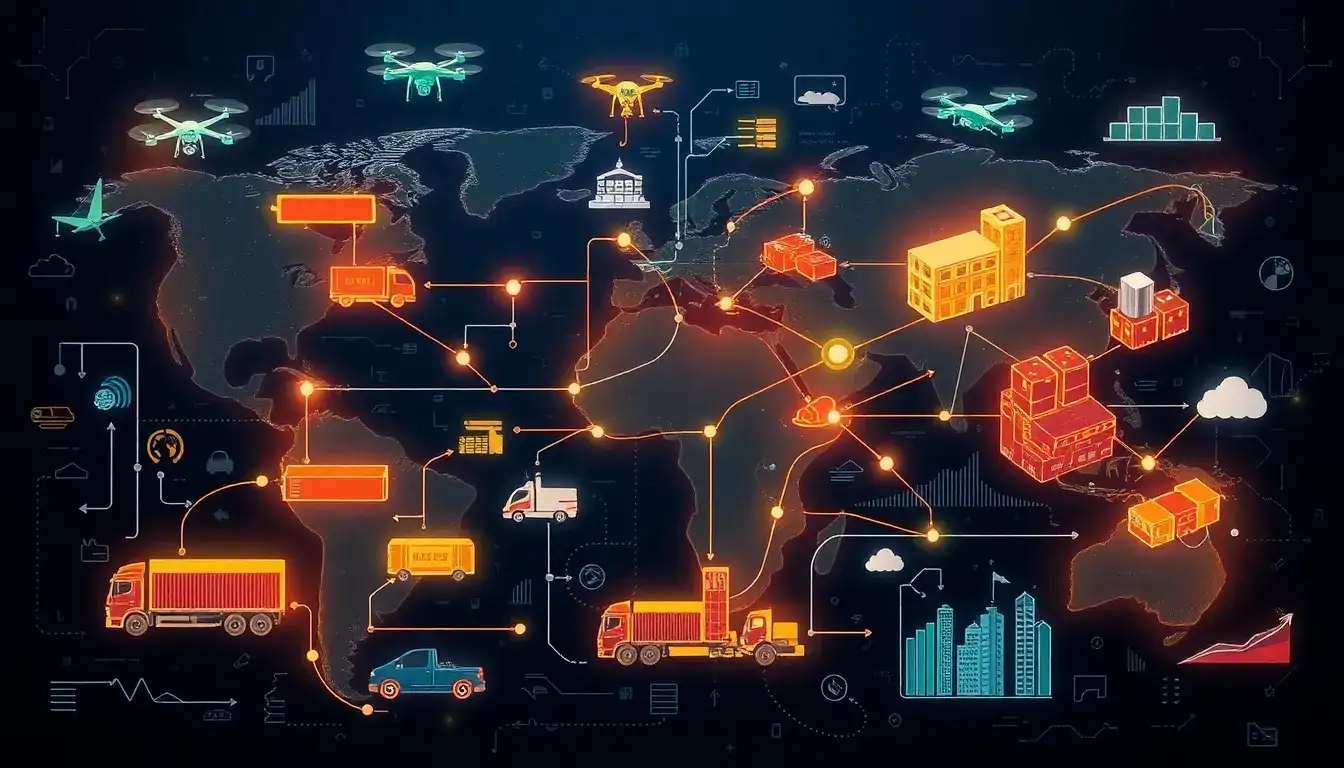
The main challenges in managing the supply chain for energy storage projects, particularly battery energy storage systems (BESS), include the following:
Supply Chain Pressure and Market Dynamics
- The BESS supply chain is under unprecedented pressure due to ambitious global targets to increase electricity storage capacity sixfold by 2030. This rapid growth has created a strained supply chain environment.
- There is an oversupply of batteries worldwide, largely driven by massive manufacturing capacity in China, which has surpassed immediate demand. This leads to intense price competition that benefits project developers but strains manufacturers outside China.
Raw Materials and Critical Mineral Shortages
- A major challenge is the scarcity of critical battery minerals such as nickel and cobalt, especially in the U.S. This lack of domestic supply creates vulnerabilities and dependency on imports from other regions.
- The competition for these materials is increasing, with other sectors like transportation demanding large quantities of lithium-ion batteries, potentially limiting availability for grid storage projects.
Manufacturing and Component Bottlenecks
- Delays and shortages in key components, such as transformers and specialty steels, are causing extended delivery times—from about 50 weeks to 150 weeks or more. This impacts renewable projects including energy storage.
- Factory shutdowns, export restrictions, and reluctance to expand manufacturing capacity in certain regions exacerbate supply chain constraints.
High Capital and Skilled Workforce Requirements
- Entry barriers are high due to substantial capital investments needed for manufacturing and infrastructure.
- The need for a skilled workforce to keep up with evolving technology and continuous research and development compounds the challenge.
Supply Chain Geographic Concentration and Dependence
- Heavy reliance on countries like China for raw materials, refined components, and end products introduces geopolitical and trade risks.
- The U.S. and other regions lag behind Asia in developing a fully domestic supply chain for energy storage technologies, increasing vulnerability to international disruptions.
Environmental and Regulatory Challenges
- The environmental impact and climate considerations related to material refining, battery manufacturing, and recycling are also significant issues that need to be managed carefully within the supply chain.
In summary, managing the supply chain for energy storage projects faces challenges related to material scarcity, component shortages and delays, market oversupply dynamics, high capital and workforce demands, and geopolitical dependencies. Addressing these issues requires coordinated efforts to expand domestic manufacturing, diversify supply sources, innovate in recycling and reuse, and invest in skilled labor and infrastructure.
Original article by NenPower, If reposted, please credit the source: https://nenpower.com/blog/what-are-the-main-challenges-in-managing-the-supply-chain-for-energy-storage-projects/

