

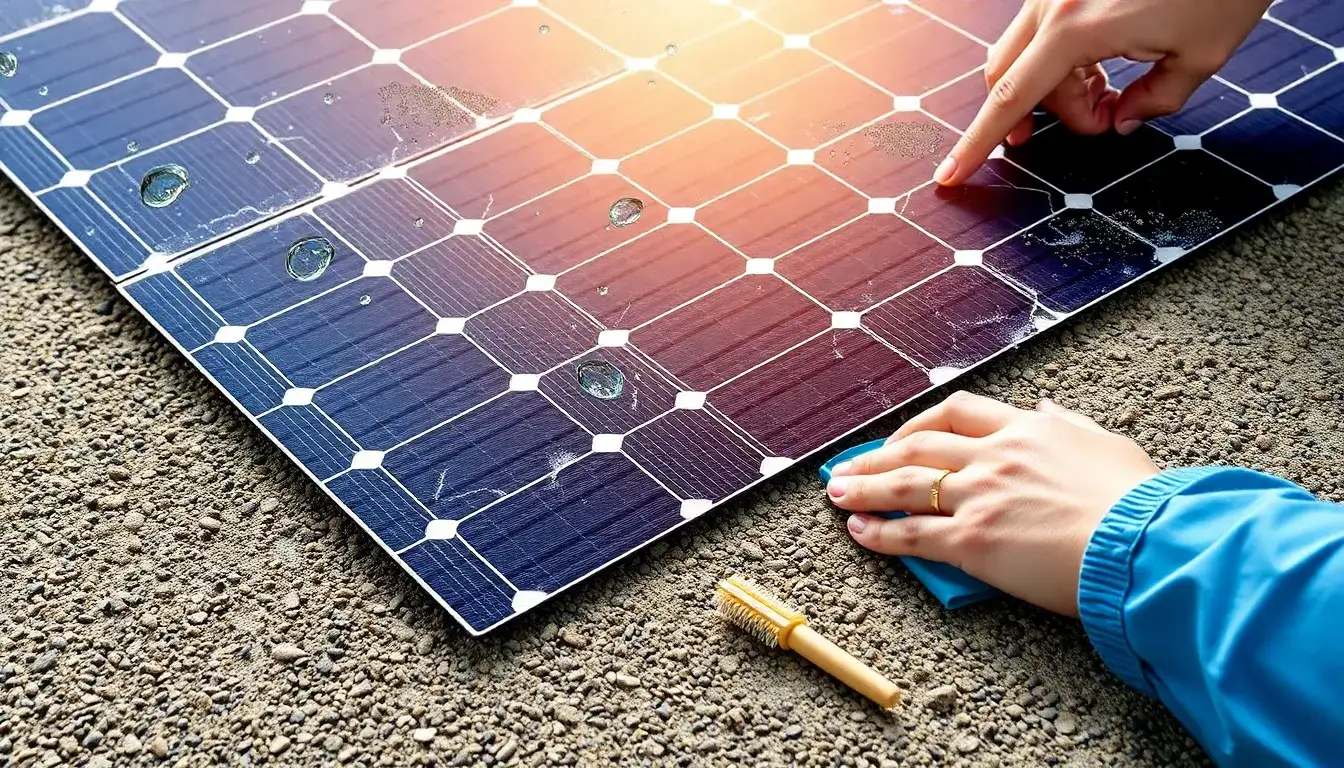
The main challenges in maintaining flexible solar panels revolve around their physical fragility, susceptibility to environmental damage, shorter lifespan, and performance degradation. These challenges and their causes are as follows:
1. Physical Damage and Fragility
- Although flexible solar panels can bend, excessive bending or folding leads to microcracks within the solar cells that reduce panel efficiency. Bending beyond the recommended tolerance (usually about a 30-degree radius) causes cracking sounds and damages the cells.
- The thin plastic covering that replaces glass in flexible panels is easily scratched or damaged by branches, debris, or impacts. Such damage can also crack the solar cells, further reducing efficiency and lifespan.
- Walking or standing on flexible solar panels and careless handling during installation or maintenance increases the risk of damage.
Maintenance implication: Handle panels carefully, avoid unnecessary bending, restrict foot traffic on them, and protect from falling debris or branches.
2. Shorter Lifespan and Durability Issues
- Flexible panels tend to last 15 to 25 years, typically shorter than rigid panels which last 25 to 40 years due to their robust glass and frame protection.
- Their lifespan is compromised by environmental stress such as UV radiation, temperature fluctuations, moisture, and physical impacts that flexible panels are less equipped to withstand.
- Microcracks allow dust and moisture infiltration that further degrade panels over time.
Maintenance implication: Choose high-quality flexible panels (e.g. with ETFE coating that is UV resistant), maintain cleanliness to reduce dirt buildup, inspect regularly, and avoid harsh environmental conditions when possible.
3. UV Degradation and Delamination
- UV rays cause chemical degradation in flexible panel plastics, leading to yellowing, loss of transparency, and reduced sunlight transmission. Severe UV damage causes delamination, where the protective plastic layer separates from the solar cells, ruining the panel.
- Lower quality panels, particularly those with PET plastic, degrade faster than higher quality ones with ETFE plastic coatings.
Maintenance implication: Use panels with superior encapsulation materials (ETFE), avoid prolonged exposure to harsh sunlight when storage is possible, and monitor panels frequently for signs of discoloration or peeling.
4. Overheating and Hot Spots
- Flexible panels are often installed directly on surfaces without space for ventilation, causing heat to build up. High temperatures accelerate degradation and reduce efficiency.
- Hot spots arise when parts of the panel are shaded or damaged, causing localized overheating that can permanently damage cells or cause safety hazards.
Maintenance implication: Install panels with ventilation (elevate slightly from surfaces), use heat-resistant materials, keep panels clean and free of shading, and consider panels with bypass diodes or hot spot resistant technology.
5. Maintenance Effort
- Flexible solar panels require regular cleaning to remove dirt, dust, bird droppings, salt deposits, and other debris that block sunlight and reduce output.
- Inspections for cracks, discoloration, loose adhesion, or electrical connectivity issues must be done to catch early signs of damage.
- Adhesion can loosen due to weather changes, requiring reapplication of adhesives or mounting reinforcements.
Maintenance implication: Clean panels gently with mild soap and water, avoid abrasive materials, inspect structural and electrical components regularly, and secure mounting properly.
Summary Table of Key Challenges and Maintenance Solutions
| Challenge | Cause/Effect | Maintenance Strategy |
|---|---|---|
| Physical Damage | Microcracks from bending, impacts | Avoid excessive bending, protect from debris, handle carefully |
| Shorter Lifespan | Environmental stress, microcracks | Choose quality ETFE panels, clean and inspect often |
| UV Degradation & Delamination | Plastic yellowing, layer separation | Use UV-resistant materials, monitor and replace if needed |
| Overheating & Hot Spots | Poor ventilation, shading | Elevate panels, keep clean, use heat-resistant panels |
| Dirt & Debris Build-up | Reduced sunlight absorption | Regular gentle cleaning and debris removal |
| Adhesion & Installation Issues | Weather loosening adhesives | Reapply adhesive, use mounting brackets as needed |
By understanding and addressing these challenges through careful installation, regular cleaning, gentle handling, proper ventilation, and choosing high-quality materials, the longevity and performance of flexible solar panels can be maximized.
Original article by NenPower, If reposted, please credit the source: https://nenpower.com/blog/what-are-the-main-challenges-in-maintaining-flexible-solar-panels/

