Integrating solar technology into building materials, known as Building-Integrated Photovoltaics (BIPV), faces several key challenges. Here are some of the main complications:
Main Challenges
- Technical Complexity:
- Electrical Design and Integration: BIPV systems require intricate electrical designs and integration into building structures, which can increase costs and complexity. This often necessitates hiring specialized contractors, adding to the overall expense and logistical challenges.
- Expertise Shortage: There is a lack of professional expertise among architects and engineers in designing and integrating BIPV systems. This shortage extends to manufacturers and installers, who may not have the necessary training or experience with novel BIPV products.
- Aesthetic Considerations:
- Visual Appeal: Traditional solar panels may detract from a building’s aesthetic appeal. However, newer BIPV products offer more design flexibility, such as solar shingles, solar glass cladding, and solar shutters, which can act as both functional building elements and visually appealing features.
- Balancing Efficiency with Design: Balancing efficiency with visual appeal remains a challenge. Transparent or colored glass can affect panel efficiency, but technologies like applying colors or patterns to the protective glass can help disguise the appearance of solar cells.
- Cost and Economic Barriers:
- Upfront Costs: While integrating solar into building elements can reduce additional costs by eliminating the need for separate roofing materials, high initial investment costs are still a barrier. Innovative business models, such as revenue-sharing options by companies, aim to reduce upfront costs and make BIPV more accessible.
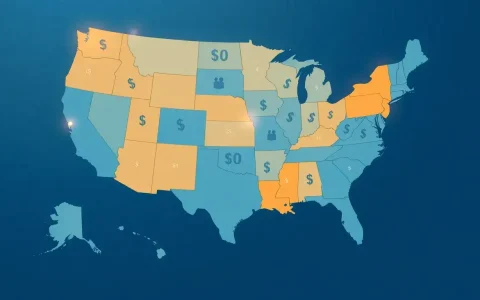
- Variability in Subsidies: Economic incentives for solar installations vary by region, creating uncertainty for investors and consumers. Stable economic policies are crucial for encouraging long-term investments in solar energy.
- Material and Manufacturing Challenges:
- Supply Chain Reliability: BIPV products often cannot be sourced through established building material supply chains, which can increase perceived risk and cost.
- Material Availability: Ensuring reliable access to necessary materials for manufacturing BIPV systems is crucial but can be a challenge.
- Regulatory and Policy Frameworks:
- Complex Regulations: Inconsistent regulatory frameworks and permitting processes can make it difficult to deploy solar systems. Streamlined policies are necessary to support BIPV integration.
- Awareness and Demonstration:
- Knowledge Gap: There is limited public awareness about the benefits and possibilities of BIPV systems, which can hinder adoption.
- Demonstration Projects: Large-scale demonstration projects are needed to showcase the feasibility, efficiency, and cost-effectiveness of BIPV systems, helping to build trust among potential users.
By addressing these challenges, the solar industry can advance towards more widespread integration of BIPV into construction projects.
Original article by NenPower, If reposted, please credit the source: https://nenpower.com/blog/what-are-the-main-challenges-in-integrating-solar-technology-into-building-materials/