

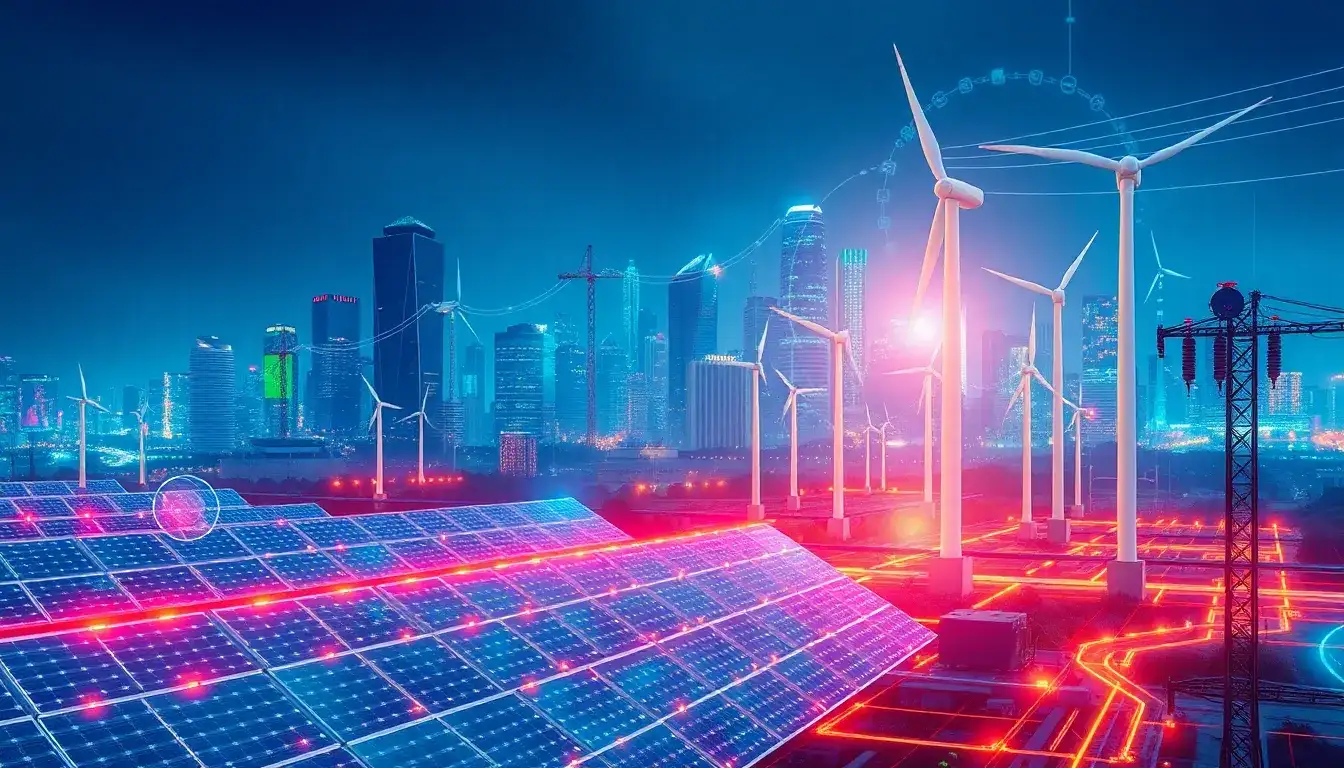
Integrating renewable energy with smart grids presents several key challenges that must be addressed to ensure a stable, efficient, and sustainable energy system.
Main Challenges in Integrating Renewable Energy with Smart Grids
-
Variability and Intermittency of Renewable Energy
- Renewable energy sources like wind and solar are intermittent, meaning they generate power only when conditions are favorable. This unpredictability requires advanced forecasting and management systems to balance supply and demand effectively.
-
Grid Modernization and Infrastructure
- Existing grid infrastructure is often outdated and optimized for traditional, centralized fossil fuel-based power plants. Upgrading the grid to accommodate decentralized and variable renewable energy sources is essential but costly.
-
Cybersecurity Threats
- The increased digitalization of smart grids for managing renewable energy makes them more vulnerable to cyber threats. Ensuring cybersecurity through network segmentation, encryption, and access controls is crucial.
-
Financial Barriers
- The high upfront investment required for smart grid technologies and renewable energy integration can be a significant barrier. Governments and investors need to provide incentives and support to facilitate this transition.
-
Regulatory and Policy Frameworks
- Effective integration requires supportive policies and regulatory frameworks that encourage the adoption of smart grid technologies and renewable energy. Standardization and compliance with these frameworks are necessary for widespread integration.
Solutions to Overcome These Challenges
- Energy Storage Systems: Technologies like battery storage can mitigate intermittency by storing excess energy generated during peak production periods for use during low production times.
- Smart Grid Technologies: Advanced technologies such as Phasor Measurement Units (PMUs) and smart meters help monitor and manage grid stability in real-time, adapting to changes in energy supply and demand.
- Distributed Energy Systems: Encouraging local energy production through distributed systems can reduce transmission losses and improve grid resilience.
- Policy Support and Innovation: Governments must implement policies that support the transition to renewable energy and smart grids. Continuous innovation in energy storage, grid management, and efficiency is key to overcoming integration challenges.
Original article by NenPower, If reposted, please credit the source: https://nenpower.com/blog/what-are-the-main-challenges-in-integrating-renewable-energy-with-smart-grids/

