

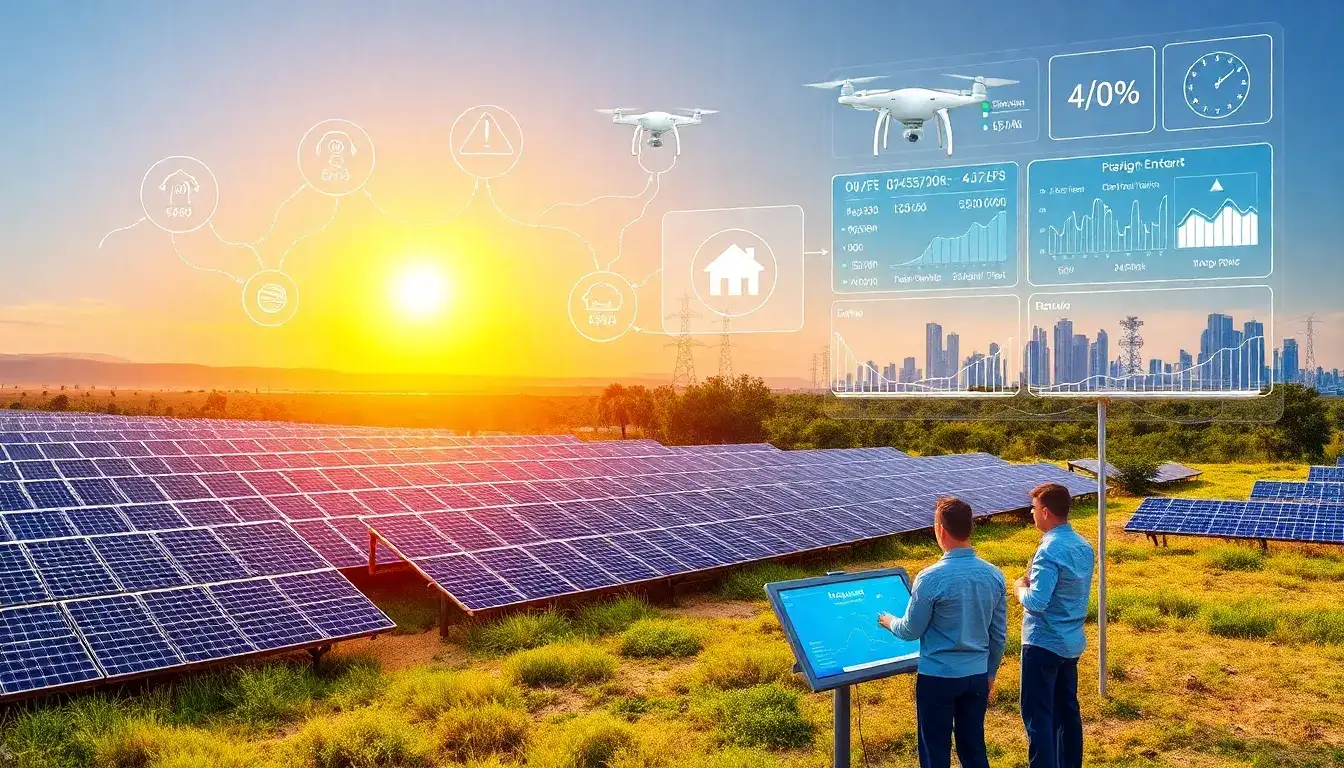
Integrating real-time data into solar energy systems poses several challenges that impact efficiency, reliability, and profitability. Here are some of the main challenges:
Main Challenges in Real-Time Data Integration
- Data Security:
- Unauthorized Access: Protecting real-time data from cyber threats is crucial. Solar energy systems, like any other network, are vulnerable to unauthorized access and attacks, which could compromise data integrity and system operations.
- Data Breaches: Ensuring that systems are secure and that data transmission and storage methods are robust is essential to prevent data breaches.
- Integration Complexity:
- System Compatibility: Integrating various IoT devices, such as weather sensors, solar panels, and inverters, with cloud-based platforms can be complex. Ensuring that all systems communicate effectively and consistently transmit accurate data is a significant challenge.
- Data Standardization: Combining data from different sources requires standardizing formats to analyze and use the data effectively.
- Data Loss and Inaccuracy:
- Human Error: Manual data collection is prone to errors, which can lead to inaccuracies and inefficiencies in decision-making.
- Disconnected Systems: Poor integration of different platforms can result in incomplete or lost data, affecting performance monitoring and optimization.
- Technical Capabilities and Infrastructure:
- Advanced Statistical Tools: Real-time data integration requires sophisticated statistical tools and advanced cloud-based platforms to process and analyze the data quickly.
- Network and Connectivity Issues: Reliable internet connectivity is essential for real-time data transmission. Any network disruptions can lead to data delays or losses.
- Scalability and Cost:
- Resource Costs: Implementing real-time data integration systems requires significant investment in infrastructure, software, and personnel, which can be costly for small-scale operations.
- Scalability Challenges: As solar systems expand, maintaining the efficiency of real-time data integration becomes more complex, requiring scalable solutions to match growth.
- Maintenance and Support:
- Predictive Maintenance: While real-time data can help in predictive maintenance, ensuring that the systems themselves remain functional and require minimal reactive maintenance is a challenge.
Addressing these challenges is crucial for maximizing the benefits of real-time data integration in solar energy systems, including improved efficiency, predictive maintenance, and enhanced decision-making.
Original article by NenPower, If reposted, please credit the source: https://nenpower.com/blog/what-are-the-main-challenges-in-integrating-real-time-data-into-solar-energy-systems/

