

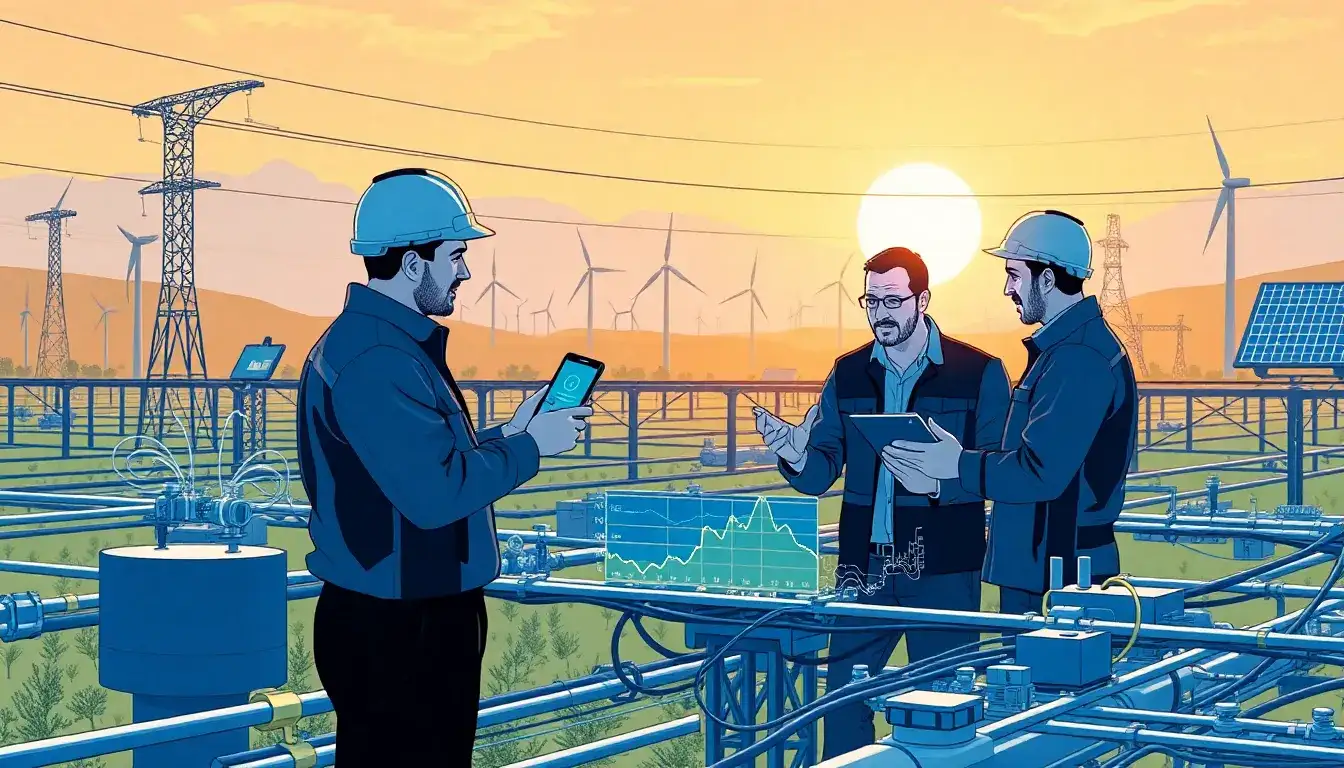
Integrating long-duration energy storage (LDES) into existing grid management systems poses several challenges:
Main Challenges
-
Cost Constraints:
- Developing and implementing LDES technologies is expensive, creating a significant cost barrier to widespread adoption.
- The economic viability of LDES often depends on specific market conditions and the availability of incentives or subsidies.
-
Revenue Generation Challenges:
- LDES technologies face difficulties in generating consistent revenue due to infrequent or insufficient price arbitrage opportunities. This can improve with increased penetration of variable renewable energy (VRE) sources.
- Competition with shorter-duration energy storage solutions, such as lithium-ion batteries, for ancillary services complicates revenue streams.
-
Lack of Clear Guidelines and Policies:
- Many regions lack comprehensive policies that address the integration of LDES into existing grid systems, creating uncertainty for investors and developers.
- Regulatory frameworks often do not fully value the range of services LDES can provide, leading to undercompensation for these services.
-
Technical Complexity and Grid Stability:
- LDES must provide not just energy storage but also support for grid stability through services like voltage and frequency regulation.
- The intermittency of renewable energy sources means that LDES must be integrated in a way that ensures a stable power supply during periods of low generation.
-
Defining Long-Duration Storage Needs:
- There is no uniform definition of long-duration storage, which complicates discussions about what durations are necessary for grid stability and resource adequacy.
- The specific needs for storage duration vary based on regional conditions, existing infrastructure, and renewable energy deployment levels.
Original article by NenPower, If reposted, please credit the source: https://nenpower.com/blog/what-are-the-main-challenges-in-integrating-long-duration-energy-storage-into-existing-grid-management-systems/

