

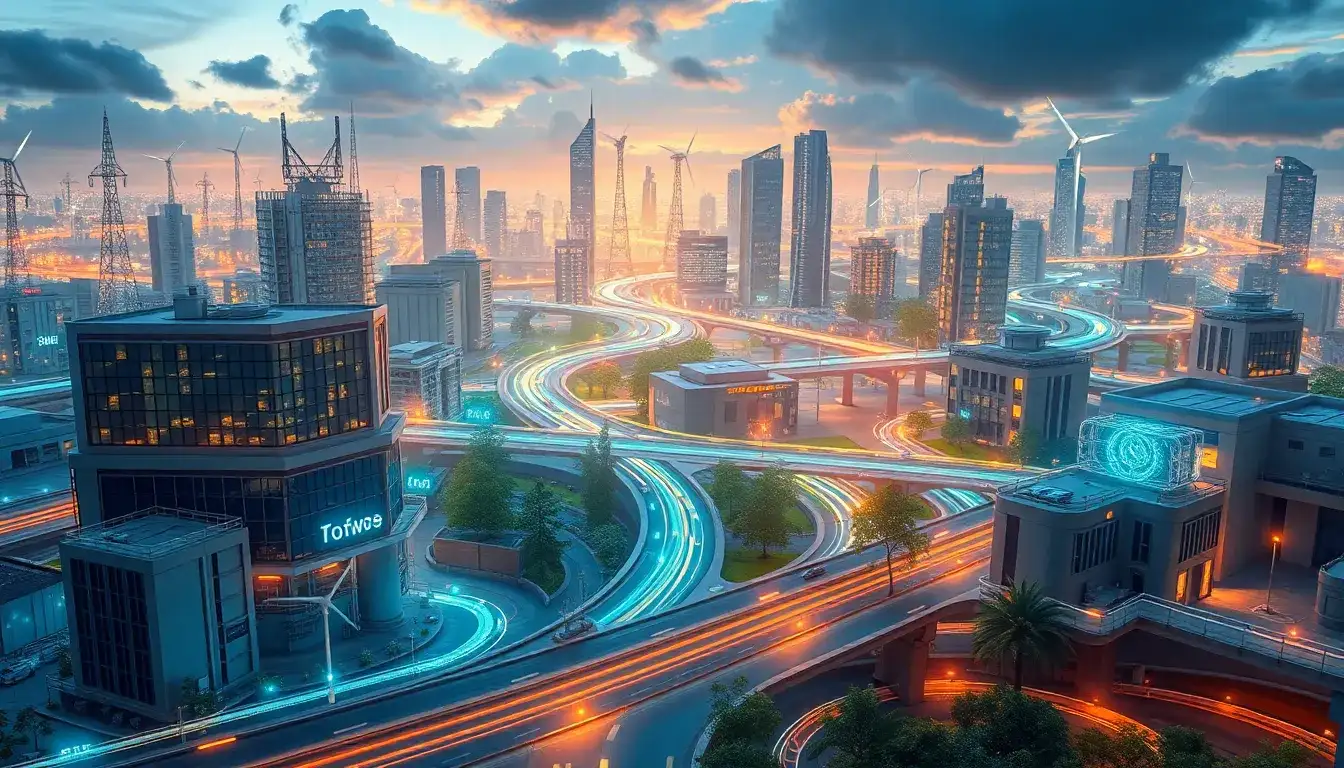
Main Challenges in Integrating Energy Storage Systems into Microgrids
Integrating energy storage systems into microgrids is crucial for optimizing energy management and ensuring grid stability, but it poses several challenges. Here are some of the key difficulties:
1. Technological and Financial Obstacles
- Cost: Despite declining costs, battery storage systems remain expensive, making them a significant investment for microgrids.
- Technological Integration: Ensuring compatibility and integration of different storage technologies with existing infrastructure can be complex.
2. Intermittent Renewable Energy
- Variable Output: Renewable energy sources like solar and wind provide variable output, which requires advanced energy storage to stabilize the grid.
- Energy Management Complexity: Balancing generation, storage, and consumption in real-time is essential but challenging.
3. Grid Connection and Interoperability
- Regulatory Hurdles: Connecting to the main grid involves navigating regulatory frameworks and grid codes, which can be time-consuming and costly.
- Interoperability: Ensuring seamless communication and operation between different components and systems is crucial but often difficult.
4. Energy Storage System Limitations
- Energy Density and Efficiency: Some energy storage systems have limitations in terms of energy density and efficiency, affecting overall system performance.
- Durability and Lifecycle: The durability and lifecycle of energy storage systems can impact long-term reliability and maintenance costs.
5. Scalability and Flexibility
- Expansion Challenges: Expanding or modifying microgrid infrastructure to accommodate additional storage or generation capacity can be complex.
- Adaptability: Microgrids need to adapt to changing energy demands and technological advancements, which requires flexible systems capable of upgrading over time.
6. Energy Management and Control Systems
- Optimization: Achieving optimal energy management requires sophisticated control systems and algorithms to balance generation and consumption efficiently.
- Real-time Monitoring: Continuous monitoring and control are necessary to ensure grid stability and respond to dynamic changes in the system.
Original article by NenPower, If reposted, please credit the source: https://nenpower.com/blog/what-are-the-main-challenges-in-integrating-energy-storage-systems-into-microgrids/

