

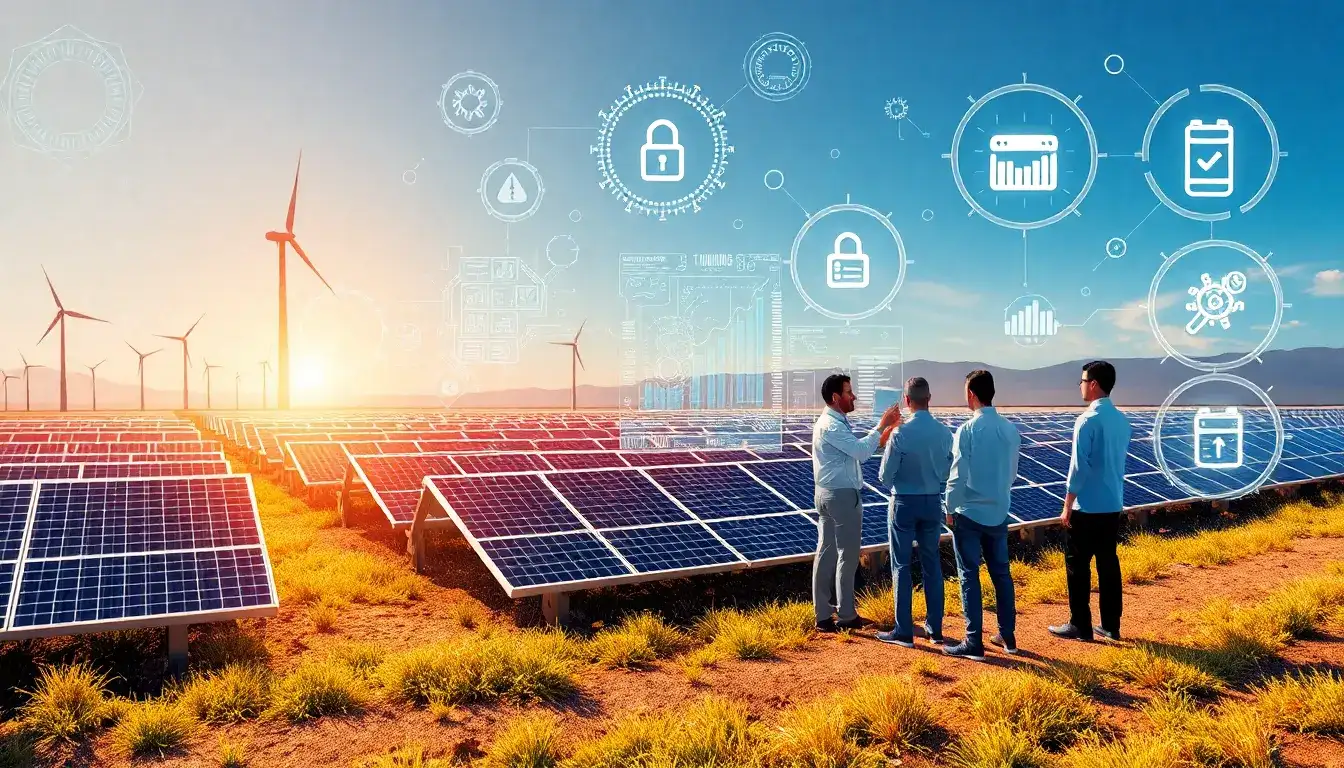
The main challenges in integrating AI with solar energy systems stem from both the technical complexities of solar power itself and the demands and nature of AI technologies. Key challenges include:
1. Data Quality, Integration & Compatibility
- AI models require vast volumes of high-quality data from diverse sources like sensors and IoT devices for accurate predictions and optimizations. However, solar energy data often come in various formats (numerical, time-series) which standard AI models, especially language-based ones, are not naturally designed to handle. This necessitates specialized AI models or adaptations to ensure compatibility and accuracy.
- Integrating AI solutions with existing legacy grid infrastructure is complex, requiring AI systems to operate effectively alongside outdated or heterogeneous components.
- Diverse and incomplete energy data can lead to erroneous AI insights and decisions if not properly managed.
- Seamless integration of AI with solar systems demands advanced data handling and system interoperability capabilities.
2. Intermittency and Energy Storage
- Solar power is inherently intermittent—it only produces electricity when sunlight is available, leading to fluctuations in energy supply. AI-driven systems must account for weather variability, day-night cycles, and extreme weather events like heatwaves or sandstorms that can disrupt generation.
- Addressing intermittency requires sophisticated energy storage solutions (e.g., batteries), which add cost and complexity, and must be optimized via AI to balance supply and demand in real-time.
3. Cybersecurity Risks
- The increased connectivity of solar plants and their AI management systems heightens vulnerabilities to cyberattacks, which pose a serious risk to critical energy infrastructure. Past attacks on power grids highlight the importance of securing AI-integrated solar systems against malicious interference.
4. High Costs and Scalability Limitations
- Implementing AI-powered solar solutions, including hardware (sensors, IoT), software, storage, and grid upgrades, involves significant initial investment, which can be prohibitive for smaller installations or emerging markets.
- Scaling AI integration from pilot projects to large solar farms or urban deployments presents logistical and financial challenges.
5. Energy Demand of AI Systems
- AI technologies themselves require substantial computational power and energy, particularly data centers that host AI models. Ensuring that AI-driven solar energy enhancements do not paradoxically increase overall energy usage demands careful balancing. Using solar power to fuel AI data centers offers a promising synergy but requires overcoming intermittency and infrastructure challenges.
6. Grid Stability and Load Balancing
- Integrating large-scale solar generation into existing grids complicates maintaining grid stability and load balancing due to the variable nature of solar power. AI can aid in dynamic grid management, but this necessitates advanced algorithms and upgraded grid infrastructure.
7. Space and Infrastructure Constraints
- Large solar arrays and battery installations require significant land or rooftop space, which may be limited in urban or dense areas. This spatial requirement complicates meeting the large, continuous energy demands of AI data centers or intensive AI applications.
Summary Table of Main Challenges
| Challenge | Description |
|---|---|
| Data Quality & Integration | Need for vast, diverse, accurate data; compatibility with legacy systems; complex data formats |
| Intermittency & Storage | Solar’s variable output requires advanced storage and AI-driven energy management |
| Cybersecurity Risks | Increased connectivity leads to vulnerabilities in critical infrastructure |
| High Costs & Scalability | Significant upfront investment; difficulties scaling AI-solar solutions |
| AI Energy Consumption | AI’s high computational energy demand adds to total power needs |
| Grid Stability & Balancing | Challenges in integrating fluctuating solar power into stable, reliable grids |
| Space & Infrastructure | Large area requirements for solar panels and batteries limit deployment options |
By addressing these challenges—improving data systems, enhancing storage technology, securing infrastructure, upgrading grids, and balancing AI energy demands—AI can effectively optimize solar energy systems, leading to improved efficiency, maintenance, and integration into smart grids. The combination of AI and solar holds significant promise for a sustainable energy future but requires coordinated efforts among technology developers, industry players, and policymakers to overcome these hurdles.
Original article by NenPower, If reposted, please credit the source: https://nenpower.com/blog/what-are-the-main-challenges-in-integrating-ai-with-solar-energy-systems/

